Southern Russia Airports Halt Flights After Drone Strike

Co-Founder & CEOAviation News Editor delivering trusted coverage across the global aviation industry.

Over a dozen airports in southern Russia suspended operations after a drone struck an ATC center in Rostov-on-Don, disrupting major carriers.
Key Takeaways
- •Drone strike hits Rostov-on-Don air traffic control center.
- •Over a dozen southern Russian airports suspend flight operations.
- •Major carriers like Aeroflot face significant flight cancellations.
- •Attack highlights the vulnerability of civilian aviation infrastructure.
Airports across southern Russia have suspended operations following a drone strike on a key regional air traffic control center in Rostov-on-Don. The attack has led to the immediate grounding of flights, causing widespread cancellations and delays that affect thousands of passengers and major airlines, including Russia's flag carrier, Aeroflot.
The incident underscores the increasing vulnerability of critical civilian aviation infrastructure in regions affected by conflict. The suspension of services from more than a dozen airports highlights the systemic impact that a single point of failure can have on a national aviation network. The immediate operational halt was enacted as a primary safety measure, as the targeted facility is responsible for managing all air traffic across a vast and strategic airspace.
The Role of Air Traffic Control
The targeted facility in Rostov-on-Don is a regional Air Traffic Control (ATC) center, a critical node in Russia's aviation system. Such centers are responsible for managing aircraft movements across large territories known as Flight Information Regions (FIRs). They ensure safe separation between aircraft, provide weather and flight information, and coordinate takeoffs and landings for all airports within their designated airspace.
Unlike an airport-specific control tower, a regional ATC center is the nerve center for en-route traffic over thousands of square miles. Its incapacitation effectively blinds the entire regional network, making it unsafe for aircraft to operate. Without the services provided by the Rostov-on-Don center, safe flight operations in southern Russia are not possible, necessitating a complete and immediate shutdown of the airspace to all civilian traffic.
Operational and Passenger Impact
The primary and most immediate consequence of the shutdown is the cancellation of all scheduled departures and arrivals at the affected airports. For an airline like Aeroflot, which operates a significant number of domestic routes in the region, the disruption translates into major logistical challenges. These include rerouting aircraft, rescheduling flight crews, and managing stranded passengers. The financial impact from lost revenue and the costs associated with the disruption is expected to be significant.
Passengers are facing extensive delays with little immediate information on when flights might resume. The cascading effects will likely be felt across Russia's domestic aviation network, as aircraft and crews are displaced from their scheduled rotations. Flights that were already airborne and destined for the region at the time of the incident would have been forced to divert to other airports, further complicating airline operations.
Broader Implications for Aviation Security
While airspace closures have been a feature of the conflict in the region for some time, a direct kinetic strike on a civilian ATC facility represents a significant development. This event raises serious questions about the security protocols in place to protect critical aviation infrastructure worldwide. Aviation authorities and airlines globally will likely reassess the risks associated with operating in or near conflict zones.
The incident sets a concerning precedent. The deliberate targeting of an ATC center, which exclusively serves civilian air traffic, blurs the line between military targets and essential public infrastructure. This could lead to higher insurance premiums for airlines operating in sensitive regions and may force carriers to implement more conservative routing policies, avoiding vast swathes of airspace to mitigate potential risks.
What Comes Next
The timeline for resuming flights remains uncertain and is contingent on several factors. First, authorities must conduct a thorough structural and technical assessment of the damage to the Rostov-on-Don ATC center. The functionality of critical radar, communication, and data processing systems will need to be verified before any operations can be considered.
In the interim, aviation authorities may explore contingency options, such as transferring control to a neighboring FIR or a backup facility, if one is available and unaffected. However, such measures often result in significantly reduced airspace capacity, meaning that even a partial resumption of flights would likely be limited. A full return to normal operations is dependent on the complete restoration of the primary ATC facility and a comprehensive security assessment to prevent future attacks.
Why This Matters
This attack on a civilian air traffic control center marks a serious escalation in the risks posed to global aviation by regional conflicts. It moves critical infrastructure from being indirectly affected by airspace closures to being a direct physical target. The event serves as a stark reminder of the fragility of the systems that underpin modern air travel and will force a global re-evaluation of security measures needed to protect the integrity of civilian airspace.
Frequently Asked Questions
- Why did airports in southern Russia stop flights?
- Operations were suspended after a drone reportedly struck the regional air traffic control center in Rostov-on-Don. This facility is essential for managing air traffic across the region, and its incapacitation forced a widespread shutdown for safety reasons.
- Which airlines were affected by the Russian airport closures?
- The disruption caused significant flight delays and cancellations for major carriers. Russia's flag carrier, Aeroflot, was specifically mentioned as one of the airlines impacted by the operational halt.
Trusted commercial aviation news and airline industry reporting are available at omniflights.com. Track policy changes, airspace rules, and global aviation governance in the Regulatory category at omniflights.com/regulatory.
Written by Hardik Vishwakarma
Co-Founder & Aviation News Editor leading initiatives that improve trust and visibility across the global aviation industry. Covers airlines, airports, safety, and emerging technology.
Visit ProfileYou Might Also Like
Discover more aviation news based on similar topics

Families Demand DCA Midair Collision Safety Reforms
Families of 67 victims from the 2025 DCA midair collision are pressing Congress for mandatory ADS-B In technology to prevent future aviation tragedies.

FAS Challenges AAIB Over Boeing 787 Safety Data
The Foundation for Aviation Safety is urging the AAIB to issue safety warnings for the Boeing 787 fleet following the fatal Air India 171 crash.
NTSB Safety Recommendations Lag Amid 6 Monthly Near-Misses
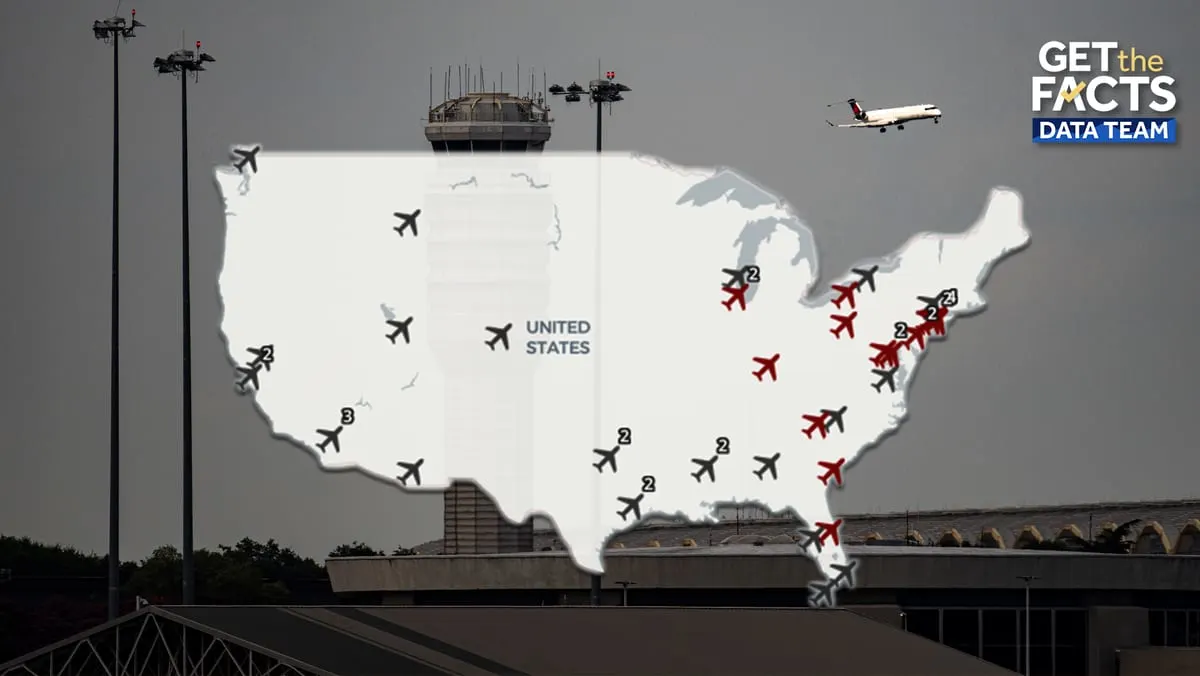
Approximately 6 near-miss incidents occur monthly at U.S. airports as 270 NTSB safety recommendations remain unaddressed by federal regulators.
NTSB Rejects FAA Safety Responses After 67-Fatality Crash
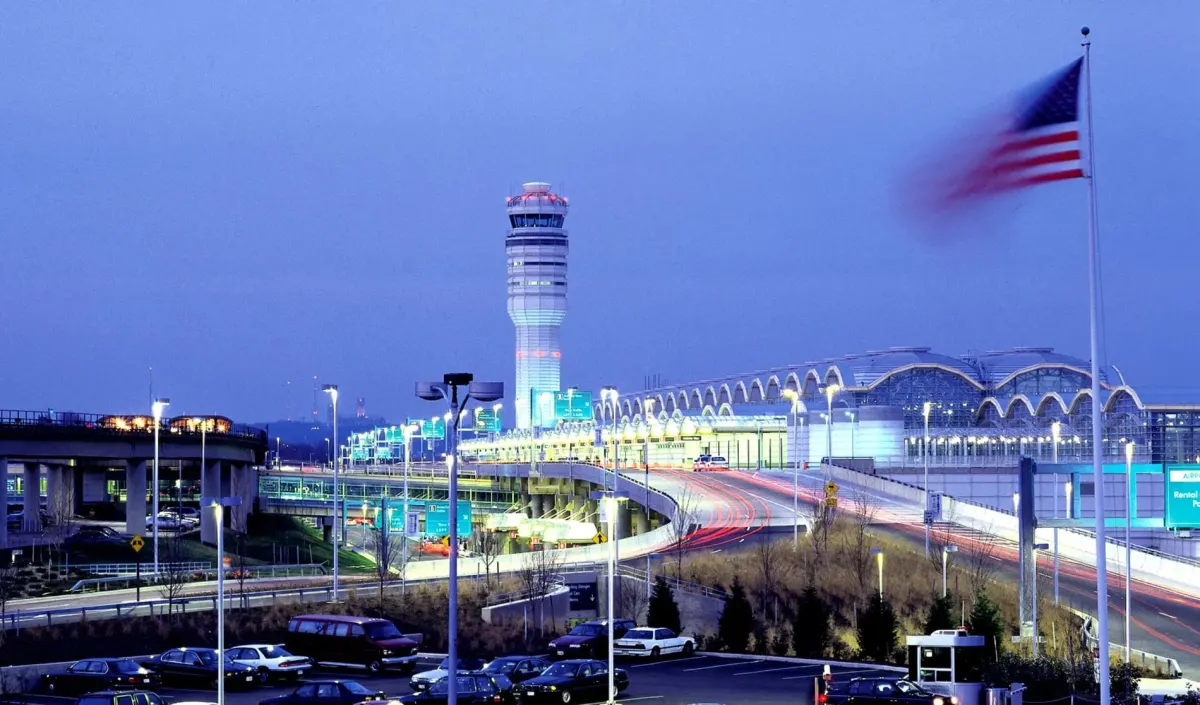
The NTSB labeled 11 FAA responses to 2025 DCA mid-air collision recommendations as unacceptable, citing the lack of a mandatory ADS-B In requirement.
EASA Orders Urgent Airbus A380 Wing Spar Inspections
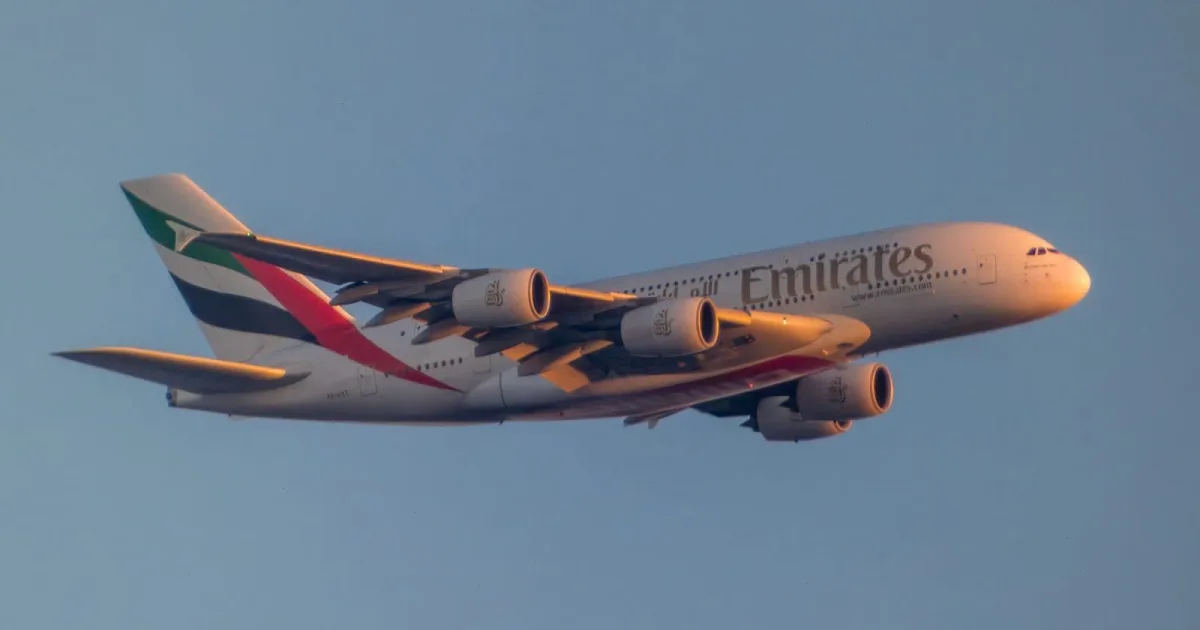
The EASA ordered urgent inspections on 16 Airbus A380s after discovering wing spar cracks that could compromise structural integrity.

Ryanair Flight RK514 Diverts to Birmingham After Emergency
Ryanair flight RK514 diverted to Birmingham Airport on September 13, 2026, following a medical emergency involving a passenger.