IAM Demands Probe After Boeing Worker Death in Kansas

Co-Founder & CEOAviation News Editor delivering trusted coverage across the global aviation industry.
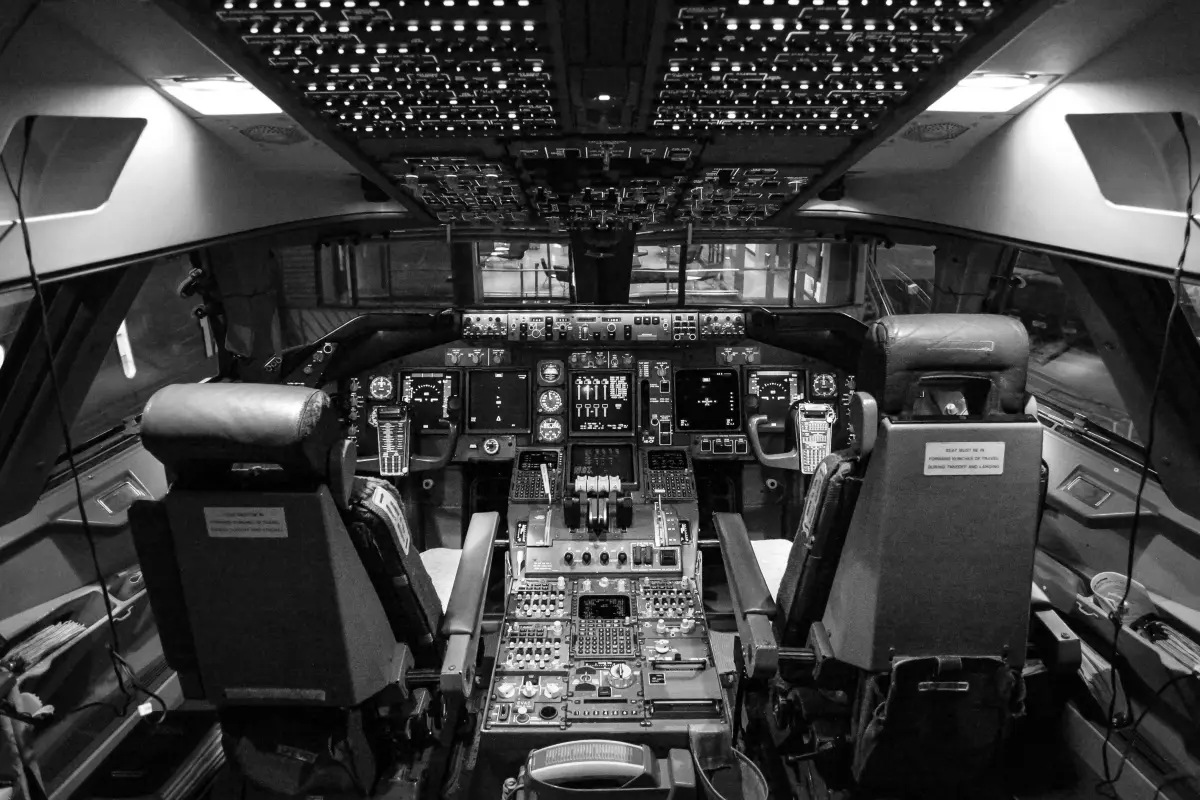
The IAM union demands a probe into a Boeing worker's death in Kansas, citing systemic safety concerns amid 32 OSHA whistleblower complaints.
Key Takeaways
- •IAM demands a probe into a Boeing worker's death in Kansas.
- •32 OSHA whistleblower complaints were filed against Boeing since 2020.
- •The union cites systemic safety issues, not an isolated incident.
- •The death follows a fall at Boeing's Wichita facility on April 22.
The International Association of Machinists and Aerospace Workers (IAM) is demanding a comprehensive federal investigation into the death of a Boeing mechanic in Kansas, framing the incident as a symptom of systemic safety failures. The union's call for action on May 8, 2026, follows the Boeing worker death Kansas and escalates pressure on the manufacturer, which is already facing intense scrutiny over its safety culture and a history of OSHA whistleblower complaints Boeing. The IAM union Boeing investigation demand highlights what it calls a pattern of unaddressed hazards at the company's facilities.
The incident involves Daniel Lussier, a 53-year-old aircraft mechanic who fell through a crossbeam at Boeing's Wichita, Kansas, facility on April 22, 2026. He died four days later, on April 26, from a pulmonary embolism exacerbated by the fall. The IAM contends this was not an isolated event, alleging that other workers have previously fallen through similar crossbeams, pointing to a persistent structural risk. This event has galvanized the union to push for a systemic response, arguing that piecemeal fixes are insufficient to address deep-rooted Boeing workplace safety concerns.
Union Allegations and Regulatory Context
According to the IAM, the circumstances of Lussier's death suggest a significant lapse in workplace safety protocols. Craig Martin, General Vice President of the IAM Southern Territory, stated that reports of previous falls indicate a "systemic problem that requires a systemic response." He added, "fixing one hazard while leaving others in place is not a safety plan." The union's official statements can be followed at their news portal.
This demand for a probe is set against a backdrop of sustained regulatory friction. Data from the Occupational Safety and Health Administration (OSHA) shows that 32 whistleblower complaints were filed against Boeing between December 2020 and March 2024. Of these, 15 were related to general workplace safety statutes, while 13 were filed under the Wendell H. Ford Aviation Investment and Reform Act for the 21st Century (AIR21), which specifically protects employees who report aviation safety violations. These complaints are managed through the OSHA Whistleblower Protection Program.
For its part, Boeing has expressed that it is deeply saddened by the loss of its employee. A company spokesperson confirmed that Boeing is investigating the accident and emphasized that safety is a top priority, supported by dedicated safety meetings and ongoing process reviews. The company maintains it encourages employees to raise concerns and is cooperating fully with the investigation.
A Pattern of Scrutiny
The IAM's call for a systemic probe does not exist in a vacuum. It follows several high-profile incidents that have placed Boeing's internal culture under a microscope. In March 2024, the death of former Boeing quality manager and whistleblower John Barnett during a deposition against the company sparked widespread public and regulatory concern. Barnett had raised alarms about production standards and retaliation, themes that echo in the current union demands.
More recently, in April 2026, workers at Boeing's Everett facility filed a class-action lawsuit. The suit alleges the company failed to pay for mandatory safety training and pressured employees to minimize time spent on safety-related activities away from their workstations. This legal action in Everett, combined with the fatality in Wichita, paints a picture of ongoing tension between Boeing's production targets and its on-the-ground safety practices, affecting the entire manufacturing workforce.
Technical Analysis
The death of Daniel Lussier and the subsequent IAM demand represent a critical juncture for Boeing's manufacturing and labor relations. This event transcends a standard workplace safety incident, becoming a data point in a much larger, troubling trend of alleged safety culture deficiencies. The volume of OSHA complaints—32 in just over three years—suggests a systemic disconnect between stated corporate safety policies and the lived experience of front-line workers. Historically, such incidents were often handled through internal investigations and localized OSHA reviews. However, the IAM's public, system-wide demand signals a strategic shift by organized labor. Unions are increasingly unwilling to accept isolated explanations for what they perceive as recurring, structural failures. This development indicates that Boeing's challenges are not confined to aircraft design or software, but extend deep into its manufacturing foundations, potentially impacting production schedules, regulatory oversight, and future labor negotiations.
What Comes Next
The immediate future will be defined by regulatory action and internal reviews. OSHA is expected to conclude its formal investigation into the fatality by late 2026. This process will determine if any violations of federal workplace safety standards occurred and could result in fines or mandated changes to facility protocols. Concurrently, the IAM is expected to release the findings from its own safety review during the summer of 2026, which will likely inform its negotiating position with Boeing. The convergence of these investigations will keep Boeing's safety practices under intense scrutiny for the remainder of the year and beyond.
Why This Matters
This incident is significant because it directly links a tragic workplace fatality to the broader, ongoing narrative about Boeing's systemic safety culture. For the aviation industry, it serves as a stark reminder that manufacturing integrity begins with worker safety on the factory floor. The outcome of the demanded investigation could lead to more stringent federal oversight of aerospace manufacturing facilities and set new precedents for corporate accountability in labor relations and safety protocol enforcement.
Frequently Asked Questions
- Why is the IAM union demanding an investigation into the Boeing worker's death?
- The International Association of Machinists and Aerospace Workers (IAM) is demanding a probe because it believes the death of Daniel Lussier points to systemic safety problems at Boeing, not an isolated accident. The union cites previous reports of workers falling through crossbeams as evidence of unaddressed hazards.
- How many whistleblower complaints has Boeing faced recently?
- According to data from the Occupational Safety and Health Administration (OSHA), 32 whistleblower complaints were filed against Boeing between December 2020 and March 2024. Of these, 13 were filed under statutes specifically protecting whistleblowers reporting aviation safety issues.
- What happened to the Boeing worker in Kansas?
- Daniel Lussier, a 53-year-old aircraft mechanic, fell through a crossbeam at Boeing's Wichita facility on April 22, 2026. He died four days later, on April 26, from a pulmonary embolism that was exacerbated by the fall.
Get breaking commercial aviation news and expert airline analysis at omniflights.com. For reporting on UAP sightings, investigations, and aviation-related encounters, see the UAPs section at omniflights.com/uaps.
Written by Hardik Vishwakarma
Co-Founder & Aviation News Editor leading initiatives that improve trust and visibility across the global aviation industry. Covers airlines, airports, safety, and emerging technology.
Visit ProfileYou Might Also Like
Discover more aviation news based on similar topics
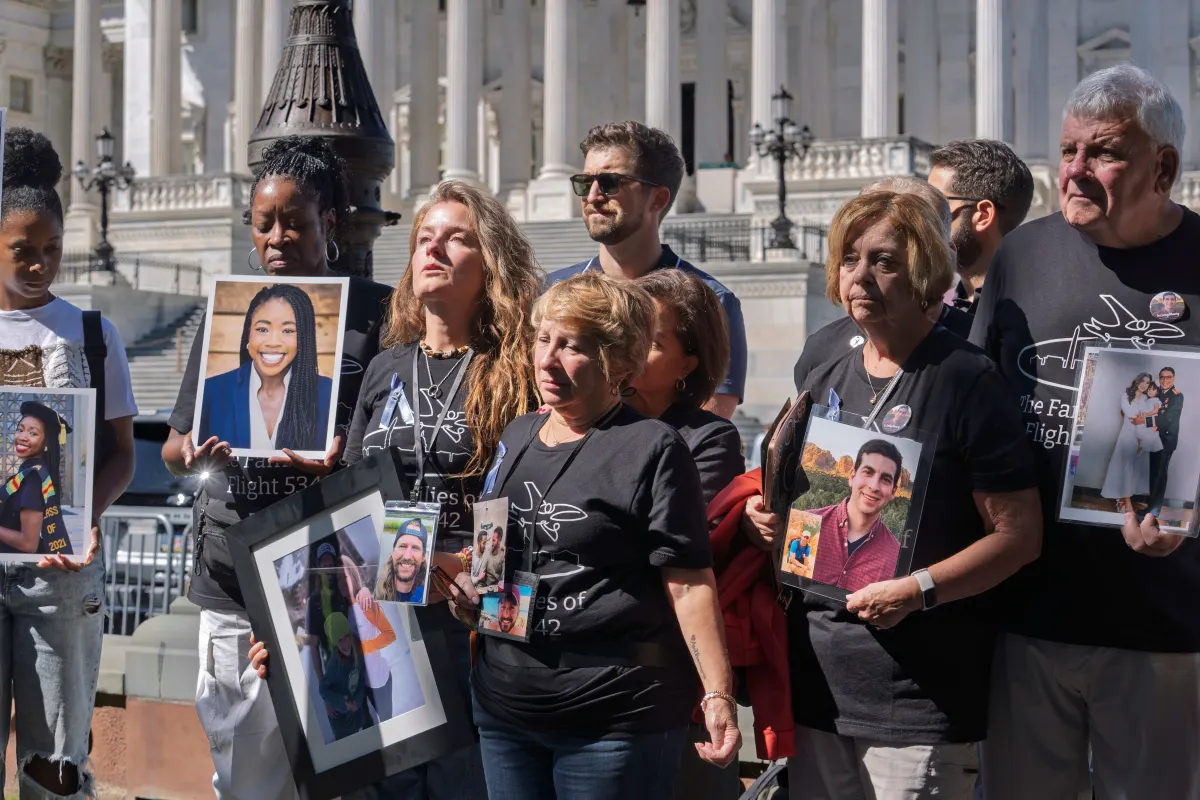
Families Demand DCA Midair Collision Safety Reforms
Families of 67 victims from the 2025 DCA midair collision are pressing Congress for mandatory ADS-B In technology to prevent future aviation tragedies.
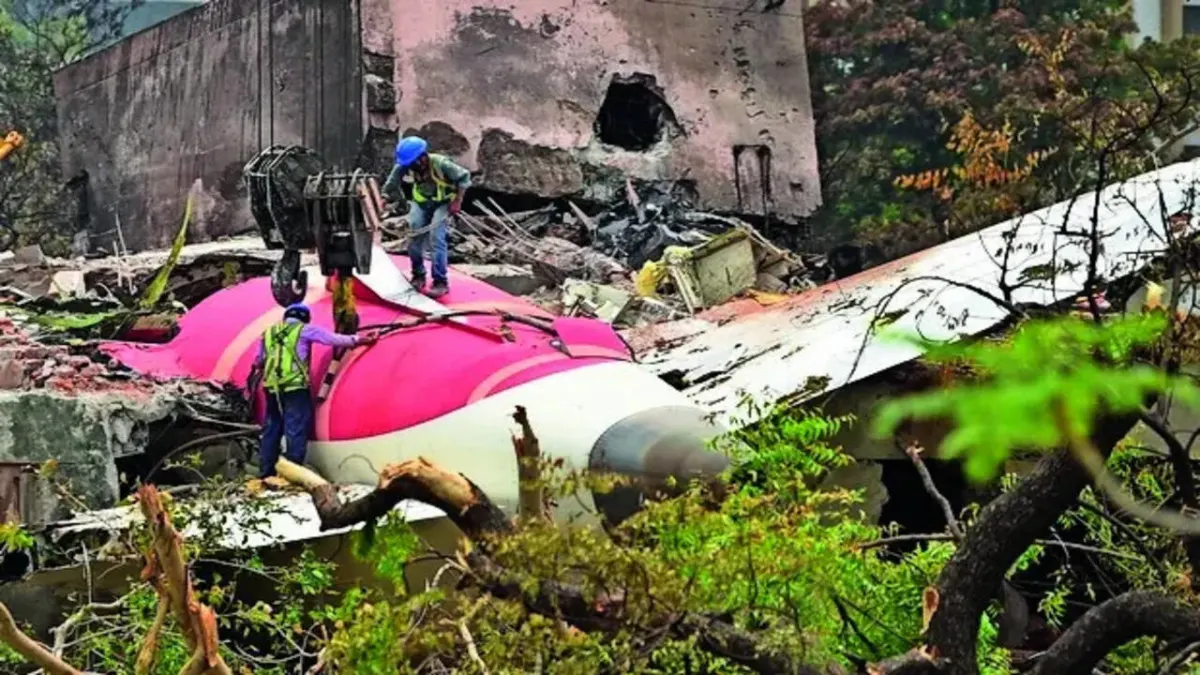
FAS Challenges AAIB Over Boeing 787 Safety Data
The Foundation for Aviation Safety is urging the AAIB to issue safety warnings for the Boeing 787 fleet following the fatal Air India 171 crash.
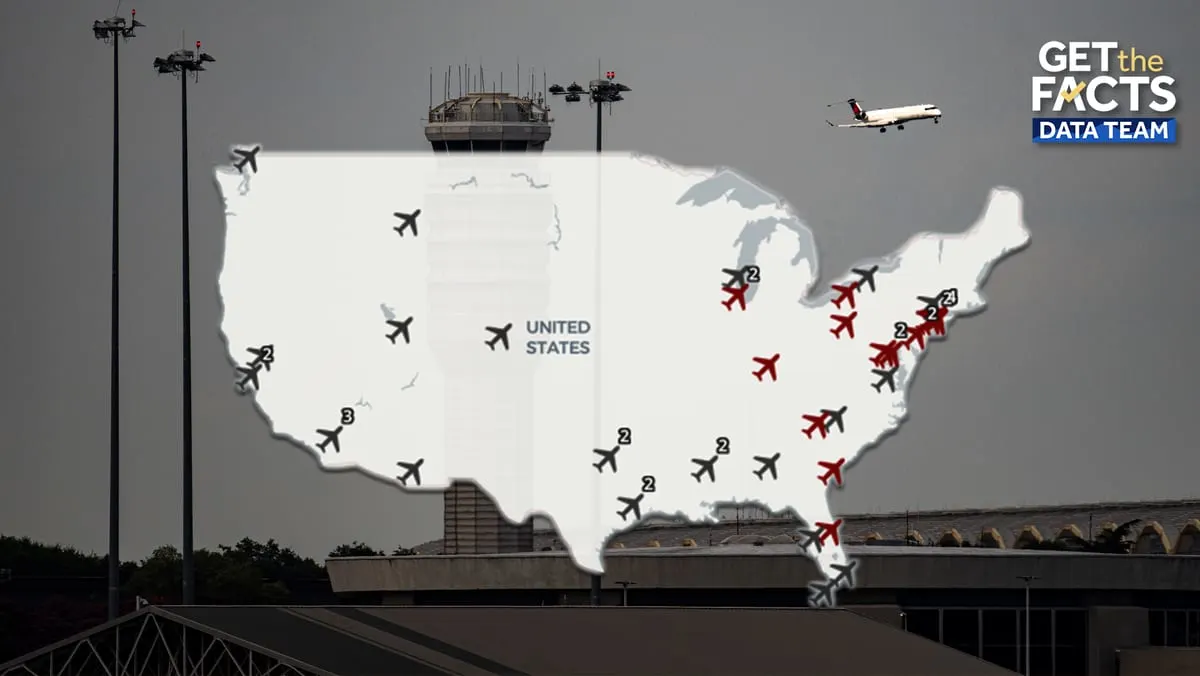
NTSB Safety Recommendations Lag Amid 6 Monthly Near-Misses
Approximately 6 near-miss incidents occur monthly at U.S. airports as 270 NTSB safety recommendations remain unaddressed by federal regulators.
NTSB Rejects FAA Safety Responses After 67-Fatality Crash
The NTSB labeled 11 FAA responses to 2025 DCA mid-air collision recommendations as unacceptable, citing the lack of a mandatory ADS-B In requirement.
EASA Orders Urgent Airbus A380 Wing Spar Inspections
The EASA ordered urgent inspections on 16 Airbus A380s after discovering wing spar cracks that could compromise structural integrity.
Ryanair Flight RK514 Diverts to Birmingham After Emergency
Ryanair flight RK514 diverted to Birmingham Airport on September 13, 2026, following a medical emergency involving a passenger.