Joby vs. Archer: Evaluating eVTOL Stock Investment Potential

Co-Founder & CEOAviation News Editor delivering trusted coverage across the global aviation industry.

Investors are weighing the divergent strategies of Joby Aviation and Archer Aviation as both firms navigate the path to FAA commercial certification.
Key Takeaways
- •Joby Aviation leads with a $9.2B market cap as of June 2026.
- •Archer Aviation operates as an OEM with a $4B market valuation.
- •FAA type certification for initial eVTOL models is expected by 2027.
- •Joby S4 range reaches 150 miles, compared to 100 miles for Midnight.
The Shift to Advanced Air Mobility
Joby Aviation and Archer Aviation represent the leading edge of the Advanced Air Mobility (AAM) sector, a field focused on deploying electric vertical takeoff and landing (eVTOL) aircraft to alleviate urban congestion. As the industry transitions from a pure engineering phase to a regulatory and commercialization cycle, investors are scrutinizing the eVTOL stock comparison between these two primary movers. According to the Eve Air Mobility Global Market Outlook, the sector is projected to support 30,000 aircraft in operation by 2045, carrying an estimated 3 billion passengers annually.
Diverging Business Models
The fundamental difference between the two companies lies in their operational strategy. Joby Aviation is pursuing a vertically integrated Transportation as a Service (TaaS) model. This strategy was bolstered by the firm's August 2025 acquisition of the passenger business of Blade Air Mobility for $125 million. By owning both the aircraft and the passenger-facing platform, Joby aims to control the entire service ecosystem. Conversely, Archer Aviation functions primarily as an Original Equipment Manufacturer (OEM), focusing on manufacturing aircraft for sale to third-party fleet operators, such as United Airlines. This distinction positions Joby closer to a direct-to-consumer model, similar to Tesla’s historical approach to vehicle sales and charging infrastructure, while Archer aligns more closely with the traditional aerospace manufacturing paradigm.
Technical Specifications and Certification
Both companies are currently navigating the Federal Aviation Administration (FAA) certification process under the 14 CFR Part 21.17(b) special class certification pathway. As of June 2026, Joby Aviation maintains a market capitalization of approximately $9.2 billion, while Archer Aviation holds a valuation between $3.9 billion and $4.0 billion.
Joby S4 vs. Archer Midnight: Key Specifications
| Metric | Joby S4 | Archer Midnight |
|---|---|---|
| Passenger Capacity | 1 pilot + 4 passengers | 1 pilot + 4 passengers |
| Maximum Range | 150 miles | 100 miles |
| Maximum Speed | 200 mph | 150 mph |
| Propulsion Architecture | 6 tilting propellers | 12 propellers (6 tilting, 6 fixed lift) |
The Path to Commercialization
Regulatory experts note that the aggressive timelines proposed by manufacturers often face friction when confronted with the rigorous safety validation processes required for novel aircraft. While both companies target initial commercial launches in the United States and the UAE by late 2026 or 2027, these dates remain subject to final regulatory approval. According to Joby Aviation's official news portal, the company continues to advance its manufacturing capabilities with support from partners like Toyota and Delta Air Lines. Meanwhile, Archer Aviation's investor relations highlights partnerships with Stellantis and United Airlines to scale production and integrate air taxi services into existing travel networks.
Why the Market is Watching
The outcome of this stock face-off is significant for the broader aviation ecosystem. Traditional urban helicopter operators face high severity risks regarding potential obsolescence, as eVTOLs promise significantly lower operating costs and noise profiles. Furthermore, the success of these companies will determine whether the TaaS or OEM model proves more resilient in an industry characterized by high capital expenditure and extended certification timelines. Historical precedents, such as the bankruptcy of Eclipse Aviation during the Very Light Jet boom, serve as a cautionary reminder that even with significant order books, supply chain stability and liquidity are critical to surviving the pre-revenue phase.
Frequently Asked Questions
- What is the primary difference between Joby Aviation and Archer Aviation's business models?
- Joby Aviation utilizes a vertically integrated Transportation as a Service (TaaS) model, where it owns and operates its own air taxi network. Archer Aviation operates primarily as an Original Equipment Manufacturer (OEM), focusing on manufacturing aircraft to sell to third-party fleets.
- When are the first commercial eVTOL flights expected to launch?
- While timelines depend on the FAA's rigorous certification process, both companies are targeting initial commercial launches in the United States and the UAE between late 2026 and 2027.
From airline operations to fleet updates, commercial aviation news lives at omniflights.com. Get the latest updates on major hubs, regional terminals, and airport operations via the Airports section at omniflights.com/airports.
Written by Hardik Vishwakarma
Co-Founder & Aviation News Editor leading initiatives that improve trust and visibility across the global aviation industry. Covers airlines, airports, safety, and emerging technology.
Visit ProfileYou Might Also Like
Discover more aviation news based on similar topics
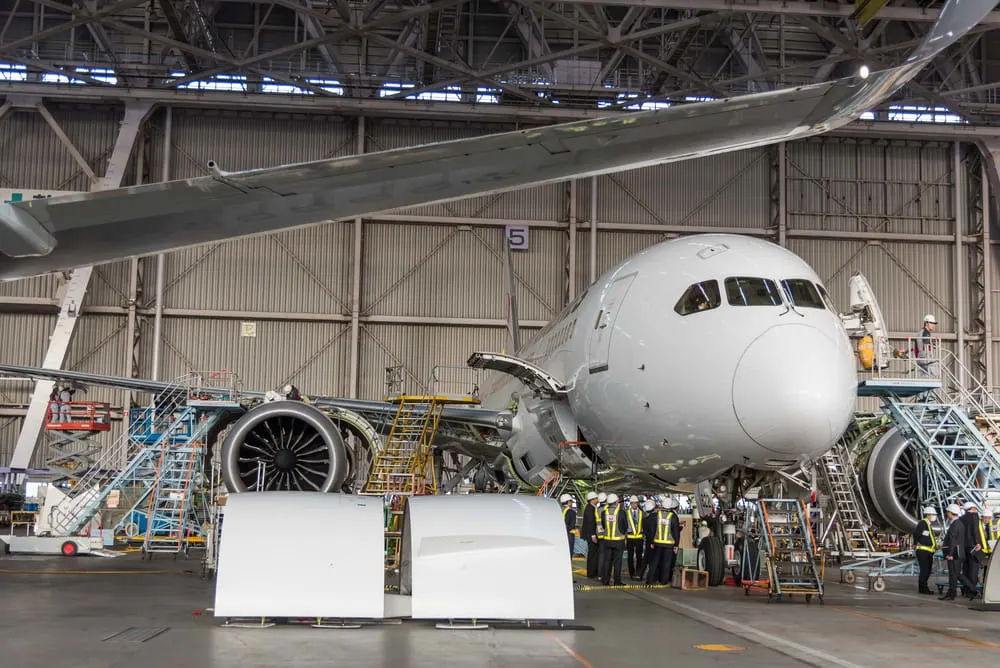
Boeing Wins $241M Navy Contract for F/A-18 Surface Repairs
Boeing secured a $241.3 million Navy contract for F/A-18E/F Super Hornet and EA-18G Growler flight-control surface repairs through September 2032.
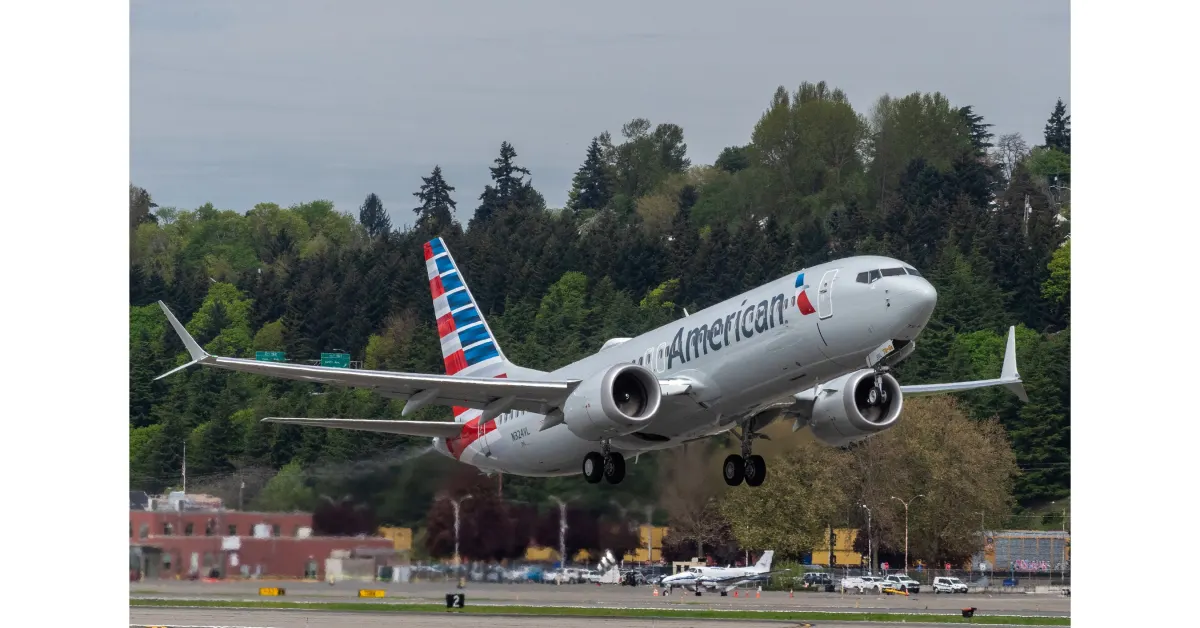
American Airlines Completes First 737 MAX Gear Exchange
Boeing and American Airlines completed the first 737 MAX landing gear exchange, marking the expansion of the program to reduce aircraft downtime.

Iberia Gains Unrestricted A350 Heavy Maintenance Approval
The Spanish aviation regulator AESA has granted Iberia Maintenance unrestricted authorization to perform heavy maintenance on the Airbus A350 fleet.
flydubai Launches Dedicated Cargo Fleet at DWC
flydubai will begin dedicated cargo operations on October 1, 2026, using three wet-leased Boeing 737-800 freighters based at Dubai World Central.

Boeing Deliveries Dip in August as Q2 Revenue Hits $24.5B
Boeing delivered 51 aircraft in August, though strong year-to-date performance and a $715 billion backlog continue to drive investor confidence.
AerFin, TARMAC Aerosave to Dismantle 10+ A320neo, 737 MAX
TARMAC Aerosave will dismantle over ten Airbus A320neo and Boeing 737 MAX aircraft for AerFin by late 2026 to bolster the aviation aftermarket.