Airlines for America Urges $20B for FAA ATC Upgrades

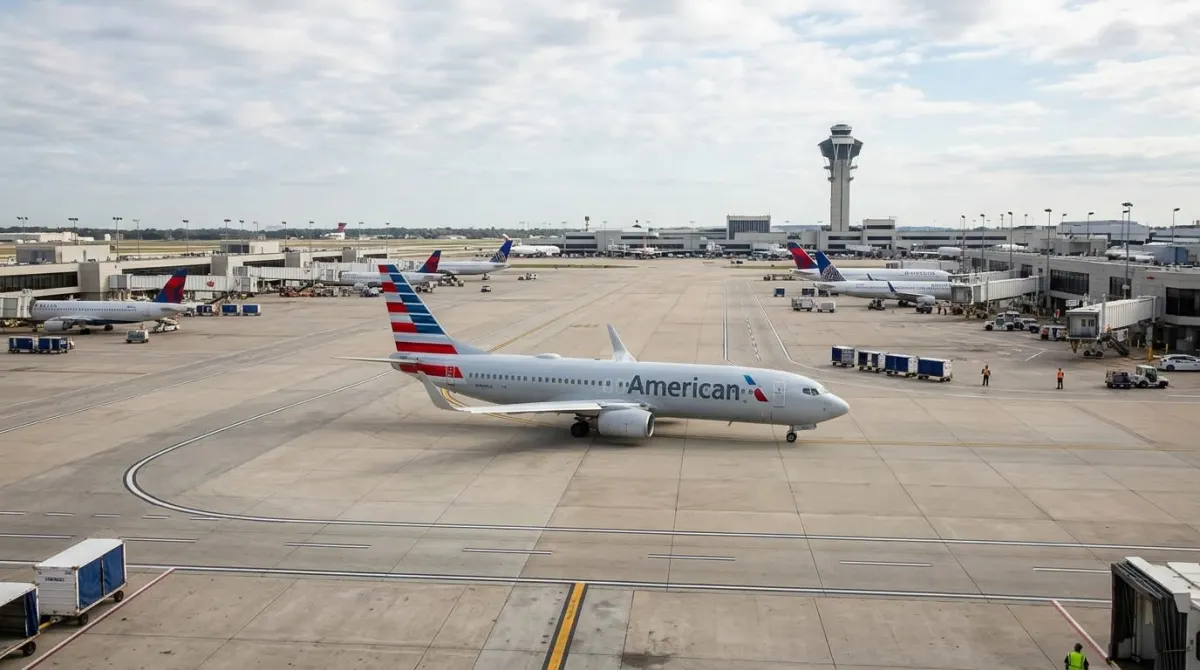
Airlines for America and a coalition of industry leaders requested $20 billion from Congress to modernize the outdated US air traffic control system.
Key Takeaways
- •Modern Skies Coalition requests $20 billion from Congress for ATC upgrades.
- •Funding supplements a prior $12.5 billion down payment for modernization.
- •FAA plans to deploy 5,000 fiber connections and 612 radars by 2028.
- •Terminal Flight Data Manager deployment at 90 airports is expected by 2028.
On July 15, 2026, the Modern Skies Coalition—representing over 50 aviation stakeholders including Boeing, Airbus, and Airlines for America—submitted a formal FAA funding request to congressional leaders. The group is urging Congress to provide $20 billion in dedicated funding to accelerate Air Traffic Control modernization. This funding is designed to close the critical deployment gap for the Federal Aviation Administration's (FAA) Brand-New Air Traffic Control System (BNATCS), an essential technological overhaul of the nation's aging infrastructure.
The proposed capital injection aims to transition the U.S. National Airspace System (NAS) from legacy, analog technologies to a fully digitized, automated network. For commercial carriers, the current reliance on outdated infrastructure translates directly into flight delays, extended routing, and increased fuel burn. By securing a dedicated funding stream outside of the standard annual federal budget cycles, the coalition seeks to prevent operational disruptions and establish a stable, multi-year deployment pathway for advanced air traffic management tools.
Funding Allocation and Technological Scope
The coalition's request represents a coordinated effort to address systemic vulnerabilities in the nation's airspace. According to the Modern Skies Coalition's July 15, 2026, letter to congressional leaders, the requested $20 billion would supplement a prior $12.5 billion down payment previously allocated by Congress for Air Traffic Control (ATC) infrastructure. A significant portion of this new request, approximately $10 billion, is earmarked specifically for developing and deploying a unified Common Automation Platform. This platform is designed to integrate various ATC functions into a singular, highly automated interface.
The technological scope of the modernization is extensive. The FAA plans to deploy 5,000 new high-speed fiber connections and 612 state-of-the-art radars by 2028 to replace deteriorating legacy hardware. The transition will deeply affect multiple industry stakeholders. For air traffic controllers represented by the National Air Traffic Controllers Association (NATCA), the shift from paper flight strips to the digital Terminal Flight Data Manager (TFDM) will fundamentally alter daily workflows and require extensive retraining programs. Conversely, major technology integrators and defense contractors stand to secure lucrative, incentive-based contracts to deliver the Common Automation Platform. For passenger airlines, the automated system is projected to materially reduce en-route and terminal delays, lowering fuel costs and improving on-time performance.
Historical Precedents and Funding Challenges
Historically, long-term aviation infrastructure projects in the United States have struggled under standard federal appropriation cycles. Between 2007 and the early 2020s, the FAA's Next Generation Air Transportation System (NextGen) program suffered from continuous budget constraints, shifting timelines, and frequent criticism over cost overruns. This historical precedent underscores the limitations of incremental funding for complex, nationwide systems, reinforcing the coalition's demand for a dedicated, upfront capital allocation.
Furthermore, the operational vulnerability of the NAS to sudden funding gaps was starkly demonstrated in the spring of 2013. During the federal budget sequestration, forced furloughs of air traffic controllers and the threatened closure of contract towers caused widespread, severe flight delays across the country until Congress passed emergency legislation to intervene. The Modern Skies Coalition argues that securing the $20 billion outside of standard Facilities and Equipment (F&E) appropriations is critical to avoiding similar operational disruptions during the BNATCS transition.
While the coalition advocates for public funding, alternative perspectives exist regarding the governance of the nation's airspace. Organizations such as the Reason Foundation have historically argued that privatizing the ATC system into an independent, non-profit corporation would yield greater operational efficiency than continuing to fund the FAA's government-run bureaucracy. However, the current coalition has bypassed the privatization debate to focus on securing immediate federal capital.
The Technology Gap in Legacy Air Traffic Systems
The transition from legacy ATC infrastructure to the BNATCS represents a critical pivot in global aviation technology. Currently, the FAA is actively phasing out paper flight strips and legacy copper wiring in favor of digital systems like the TFDM and fiber-optic networks. This shift is not merely an incremental upgrade but a structural evolution toward predictive, data-driven airspace management. Historically, incremental upgrades like NextGen failed to achieve full operational synergy because legacy hardware remained bottlenecked at key regional centers. By deploying a unified Common Automation Platform, the FAA can eliminate regional technological disparities, allowing real-time trajectory sharing and automated conflict resolution. This development indicates that the industry is moving away from reactive tactical routing toward highly optimized, collaborative trajectory options, a trend that accelerates the modernization trajectory established during the early phases of NextGen.
Milestones for Digital Airspace Deployment
The execution of the BNATCS program relies on several key milestones over the next two years. The FAA is expected to deploy the Terminal Flight Data Manager (TFDM) at nearly 90 airports by 2028, completely replacing paper flight strips with electronic data displays. Additionally, the target completion window for the FAA's nationwide BNATCS technological deployment is expected to conclude in 2028, subject to congressional approval of the requested funds. The coalition's lobbying efforts will continue through the upcoming congressional appropriations hearings, where lawmakers will decide whether to allocate the $20 billion outside of the standard FAA budget.
What is at Stake for the National Airspace
For the commercial aviation industry, the resolution of this funding request will dictate the efficiency of the National Airspace System for the next decade. If Congress approves the funds, airlines can expect a significant reduction in structural delays and fuel burn, directly supporting environmental and operational sustainability goals. Conversely, a failure to secure dedicated capital risks leaving the FAA with a fragmented, partially modernized network that compounds existing capacity constraints.
Frequently Asked Questions
- Why is the aviation industry requesting $20 billion for air traffic control?
- The Modern Skies Coalition requested $20 billion to fully fund the FAA's Brand-New Air Traffic Control System. This capital will help replace obsolete infrastructure, transition to digital systems, and reduce flight delays.
- What specific upgrades are included in the FAA modernization plan?
- The plan includes deploying 5,000 new high-speed fiber connections, installing 612 state-of-the-art radars, and implementing a unified Common Automation Platform to integrate air traffic control functions.
- When will the new air traffic control technologies be deployed?
- The FAA expects to deploy the Terminal Flight Data Manager at nearly 90 airports and target completion of the nationwide technological deployment by 2028.
omniflights.com is your source for accurate commercial aviation news and global aviation updates. From aircraft production to supply chains, commercial aviation manufacturing news is covered at omniflights.com/manufacturing.

Written by Hardik Vishwakarma
Co-Founder & Aviation News Editor leading initiatives that improve trust and visibility across the global aviation industry. Covers airlines, airports, safety, and emerging technology.
Visit ProfileYou Might Also Like

FAA Clears Boeing 737 MAX 10 Software Glitch

FAA Faces $3.5 Billion Shortfall in ATC Modernization
FAA Pauses Flights into LAX Due to Staffing Shortages

FAA Proposes Ending Overland Supersonic Flight Ban

DOT Rule Exempts Airlines From Cyberattack Delay Costs