EASA Unveils New Capability-Based Simulator Standards

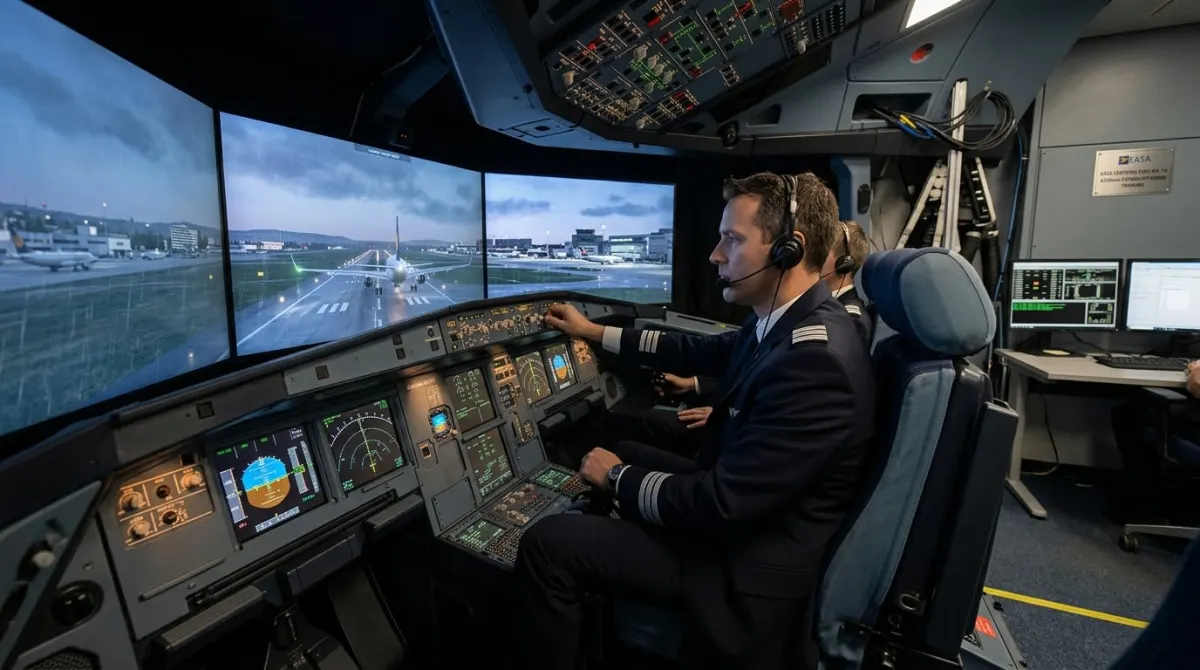
The EASA has launched a major flight simulation overhaul, replacing legacy classifications with a capability-based FSTD standard by April 2028.
Key Takeaways
- •EASA shifts to a capability-based simulator standard via CS-FSTD Issue 1.
- •The new FSTD Capability Signature (FCS) replaces rigid legacy device levels.
- •Full compliance with the new regulatory framework is required by April 2028.
- •The policy enables official training credits for virtual and mixed reality.
The European Union Aviation Safety Agency (EASA) has initiated a significant regulatory transition, moving away from rigid, legacy-based simulator classifications toward a flexible, capability-based framework. This EASA flight simulation overhaul, formalized through Commission Implementing Regulation (EU) 2026/781, replaces traditional device levels with a modern, performance-oriented assessment system. By shifting flight simulation device qualifications to a capability-based standard, the agency aims to better accommodate emerging technologies while maintaining rigorous safety benchmarks.
The FSTD Capability Signature Framework
The core of the new regulation is the FSTD Capability Signature (FCS), introduced under CS-FSTD Issue 1. Unlike previous systems that categorized devices by fixed hardware tiers such as Level D, the FCS evaluates a simulator based on the specific training tasks it is capable of performing. This task-to-tool fidelity mapping allows training organizations to demonstrate that a device is fit for purpose, regardless of whether it utilizes traditional full-motion hydraulics or modern digital alternatives. According to EASA, this approach is designed to foster innovation by creating a clearer regulatory pathway for hardware developers.
Impact on Training Organizations and Technology
For Approved Training Organisations (ATOs), this shift requires a transition in how they evaluate and document their training devices. Operators must align their current hardware with the new FCS metrics to ensure continued compliance. While this represents a significant administrative update, it also provides a strategic advantage for Virtual & Mixed Reality technology providers. These companies now have a defined certification pathway for their hardware to receive official pilot training credits, which were previously difficult to secure under rigid legacy rules.
Francesco Gaetani, EASA's Flight Standards Director, stated that the framework creates a flexible system reflecting actual device capabilities rather than historical classifications. He noted that the approach supports innovation and enables the integration of new technologies while maintaining high-quality pilot training standards. However, some simulator engineering and training providers have noted that the shift requires extensive administrative re-evaluations and mapping of existing hardware, creating a transitional compliance burden for legacy training operators.
Historical Precedents and Industry Evolution
The move toward the FCS framework follows an industry trend toward the integration of Extended Reality (XR) in pilot training. This transition has been years in the making; in April 2021, EASA granted the first certificate for a Virtual Reality-based training device for rotorcraft pilots. That early certification of a non-traditional simulator laid the conceptual groundwork for the comprehensive overhaul introduced in 2026. By evolving from fixed-level classifications to a capability-based system, EASA is aligning its regulatory environment with the rapid pace of digital transformation in aviation.
Certification Timeline for the FCS Framework
The transition period for the new framework is structured to give operators sufficient time to adapt their fleets and documentation. Commission Implementing Regulation (EU) 2026/781 mandates that the full applicability of the new FSTD Capability Signature framework will be reached by April 30, 2028. During this two-year window, ATOs and manufacturers are expected to map their existing assets to the new capability-based standard to ensure seamless compliance by the deadline.
Why This Matters for Pilot Training
This regulatory update signals a fundamental shift in how aviation authorities view the relationship between training hardware and pilot proficiency. By prioritizing the specific capabilities of a device over its physical classification, EASA is enabling a more tailored and efficient approach to pilot training. For the broader industry, this move validates the use of advanced simulation tools as viable alternatives to traditional full-motion platforms, potentially reducing costs and increasing access to high-fidelity training environments.
Frequently Asked Questions
- What is the new FSTD Capability Signature (FCS) framework?
- The FSTD Capability Signature is a new capability-based metric introduced by EASA to evaluate simulators based on the specific training tasks they can perform, rather than relying on rigid hardware classifications like Level D.
- When must training organizations fully comply with the new EASA simulator standards?
- Approved Training Organisations must ensure their training programs and device evaluations are fully aligned with the new capability-based framework by April 30, 2028.
For global airline trends and commercial aviation news, turn to omniflights.com. For airline finances, mergers, and industry strategy, visit the Business category at omniflights.com/business.

Written by Hardik Vishwakarma
Co-Founder & Aviation News Editor leading initiatives that improve trust and visibility across the global aviation industry. Covers airlines, airports, safety, and emerging technology.
Visit ProfileYou Might Also Like

FAA Clears Boeing 737 MAX 10 Software Glitch

FAA Faces $3.5 Billion Shortfall in ATC Modernization

FAA Pauses Flights into LAX Due to Staffing Shortages

FAA Proposes Ending Overland Supersonic Flight Ban

DOT Rule Exempts Airlines From Cyberattack Delay Costs