IndiGo Pauses Heathrow Flights, Ends 787 Lease

Aviation News Editor & Industry AnalystAviation News Editor & Industry Analyst delivering clear coverage for a worldwide audience.
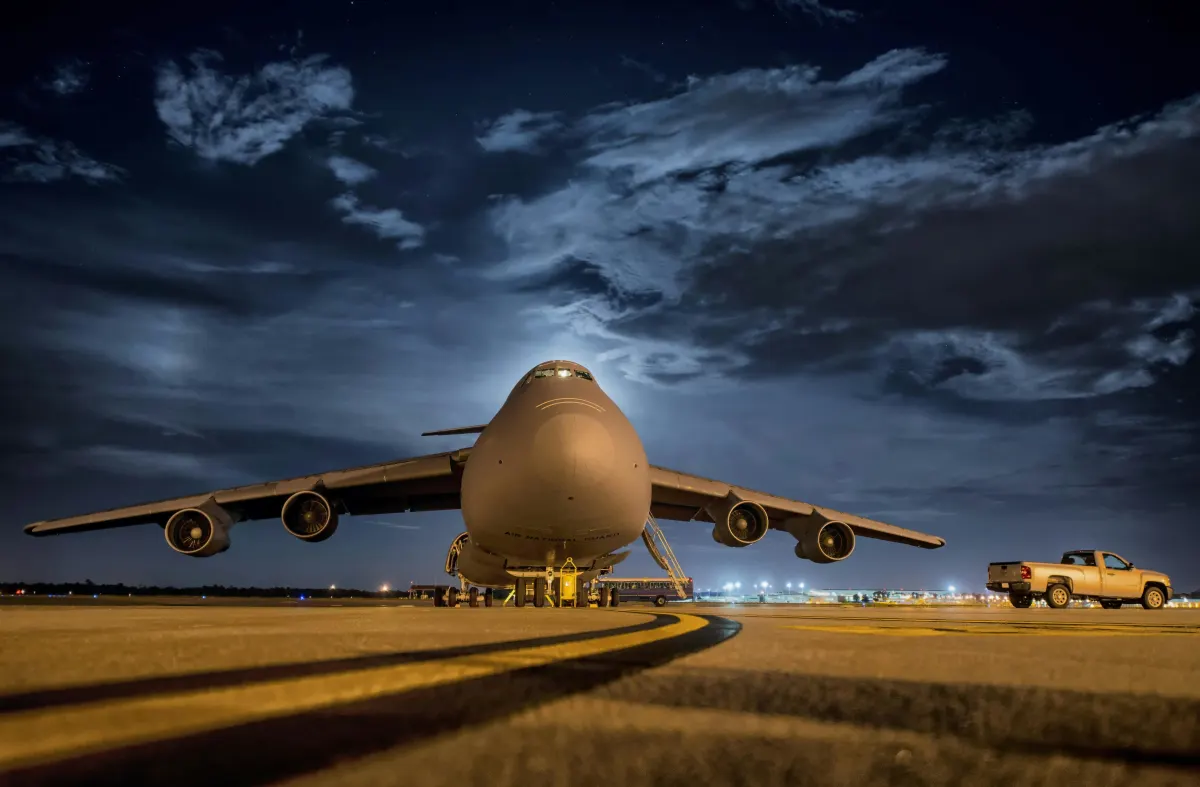
IndiGo will suspend its London Heathrow flights starting October 25 after ending its damp lease of 6 Boeing 787-9s from Norse Atlantic.
Key Takeaways
- •IndiGo suspends London Heathrow flights starting October 25, 2026.
- •Damp lease of six Norse Atlantic Boeing 787-9s ends early on October 31.
- •Carrier transitions Mumbai-Amsterdam route to Airbus A321XLR narrowbodies.
- •Deliveries of 60 ordered Airbus A350-900 aircraft will begin in 2027.
Indian low-cost giant IndiGo has announced the temporary IndiGo London Heathrow suspension of its widebody operations, effective October 25, 2026. This decision comes after the carrier mutually agreed to terminate its Norse Atlantic Airways lease agreement early, halting the operation of six leased Boeing 787-9 aircraft. The airline will pause its long-haul services to London Heathrow Airport (LHR) as it prepares for the arrival of its own long-term widebody fleet under the landmark IndiGo Airbus A350 order.
The suspension marks a strategic recalibration for India's largest domestic carrier. Facing severe geopolitical airspace restrictions, rising fuel costs, and the operational inefficiencies of interim wet leasing, the airline is pivoting back to its core narrowbody strengths while waiting for its permanent long-haul assets. This operational pause highlights the challenging economics of low-cost, long-haul flying under current macroeconomic pressures.
Under the original Aircraft, Crew, Maintenance, and Insurance (ACMI) agreement, IndiGo operated six Boeing 787-9 aircraft leased from Norse Atlantic Airways. According to a Norse Atlantic strategic disclosure, both parties mutually agreed to conclude the damp-lease agreement early, with operations officially wrapping up on October 31, 2026.
Abhijit Dasgupta, Senior Vice President of Planning and Revenue Management at IndiGo, explained that while the leased widebody operations successfully fast-tracked connectivity to high-potential long-haul destinations, longer flying times due to airspace constraints combined with dramatically escalating costs compelled the carrier to discontinue these services temporarily. Norse Atlantic Chief Executive Officer Eivind Roald corroborated this, stating that elevated fuel prices, airspace disruptions, and longer flight routes resulting from the Middle East conflict affected the commercial viability of the arrangement for both parties.
To mitigate the capacity loss, IndiGo plans to transition its Mumbai to Amsterdam route from the Boeing 787-9 to its incoming Airbus A321 Extra Long Range (A321XLR) narrowbody aircraft. However, the premium London Heathrow route cannot be sustained with narrowbody equipment, leading to the complete suspension of LHR flights.
Impact on Norse Atlantic and Intercontinental Passengers
The early termination of the lease has high-severity consequences for Norse Atlantic Airways, which loses predictable ACMI revenue from six widebody aircraft, forcing the company to seek alternative deployments and accelerating its ongoing strategic review. For passengers on India-Europe routes, the impact is moderate, resulting in a temporary loss of direct IndiGo capacity to London and a transition to narrowbody cabins on the Amsterdam route. London Heathrow Airport will experience a minor impact, seeing a temporary reduction in slot utilization and passenger throughput on the competitive India-United Kingdom corridor.
While IndiGo frames the lease termination as a temporary strategic pause, some aviation industry analysts view the decision as a necessary retreat to protect profit margins. These analysts argue that soaring fuel prices and the cost of rerouting flights around restricted airspaces made the ACMI operation unsustainable, making a temporary exit the most financially viable path.
Fleet Transitions and Historical Precedents
This development aligns with broader industry trends where airlines abandon marginal long-haul routes when geopolitical airspace closures and high jet fuel prices destroy route profitability. Historically, this mirrors the January 2021 precedent when Norwegian Air Shuttle abandoned its long-haul operations entirely, exiting the market and returning its Boeing 787 fleet to focus on European short-haul routes due to severe economic fragility. Conversely, the situation also resembles Air New Zealand's wet-leasing of Hi Fly A340s and EVA Air 777s between 2018 and 2019, which served as a successful temporary capacity bridge before its own fleet stabilized.
To prepare for its next phase of growth, IndiGo has placed firm orders for 60 Airbus A350-900 aircraft. According to the Airbus widebody order announcement, these aircraft will form the backbone of the airline's future long-haul network.
Airbus A350-900 vs Boeing 787-9: Key Specifications
| Metric | Airbus A350-900 | Boeing 787-9 |
|---|---|---|
| Typical Capacity | 300-350 seats | 290-296 seats |
| Maximum Range | ~8,100 nm (15,000 km) | ~7,565 nm (14,010 km) |
The Economics of Geopolitical Airspace Rerouting
The early termination of the Norse Atlantic lease highlights the structural vulnerability of wet-leased widebody operations to external shocks. Geopolitical airspace restrictions imposed by national aviation authorities have closed traditional flight paths over Russia, Ukraine, and parts of the Middle East. For Indian carriers flying to Western Europe, these closures require circuitous routings that add hours to flight times, drastically increasing fuel burn. When combined with elevated jet fuel prices and the high fixed costs of ACMI leasing, the yield threshold required to break even on a 290-seat Boeing 787-9 becomes prohibitively high. By suspending these operations, IndiGo is cutting its exposure to high-marginal-cost routes, preserving capital until it can deploy its own, more fuel-efficient Airbus A350-900 fleet, which offers superior seat-mile economics and range capabilities.
Transition Milestones and A350 Deliveries
The transition of IndiGo's long-haul strategy will unfold across several confirmed and expected milestones over the next year:
- October 25, 2026: IndiGo will officially suspend its widebody operations to London Heathrow and transition select European routes, such as Mumbai-Amsterdam, to the Airbus A321XLR.
- October 31, 2026: The damp lease agreement for the six Norse Atlantic Boeing 787-9 aircraft will formally conclude.
- 2027: IndiGo is expected to receive its first deliveries of the Airbus A350-900 fleet, allowing the carrier to permanently resume its widebody long-haul network.
Why the Widebody Pause Matters for Indian Aviation
This strategic pause signals that even India's most aggressive airlines must prioritize financial discipline over rapid long-haul expansion when macroeconomic conditions deteriorate. By temporarily retreating from London Heathrow, IndiGo demonstrates that narrowbody efficiency remains its primary shield against volatile global operating costs. The move sets a precedent for how low-cost carriers navigate airspace disruptions, proving that temporary capacity reduction is preferable to running unprofitable widebody routes.
Frequently Asked Questions
- Why is IndiGo suspending its flights to London Heathrow?
- IndiGo is temporarily suspending its London Heathrow flights due to the early termination of its Boeing 787-9 damp lease with Norse Atlantic Airways, driven by high fuel costs and airspace restrictions.
- When will IndiGo resume widebody operations?
- IndiGo plans to resume widebody operations when its newly ordered fleet of 60 Airbus A350-900 aircraft begins arriving, with deliveries expected to start in 2027.
- Which aircraft will IndiGo use for its European routes in the interim?
- IndiGo will utilize its incoming Airbus A321 Extra Long Range (A321XLR) narrowbody aircraft to sustain certain European routes, such as Mumbai to Amsterdam, starting in late October 2026.
Access up-to-date commercial aviation news and airline industry developments via omniflights.com. Follow aviation sustainability efforts, emissions research, and green initiatives in the Environmental section at omniflights.com/environmental.
Written by Ujjwal Sukhwani
Aviation News Editor & Industry Analyst delivering clear coverage for a worldwide audience. Covers flight operations, safety regulations, and market trends with expert analysis.
Visit ProfileYou Might Also Like
Discover more aviation news based on similar topics
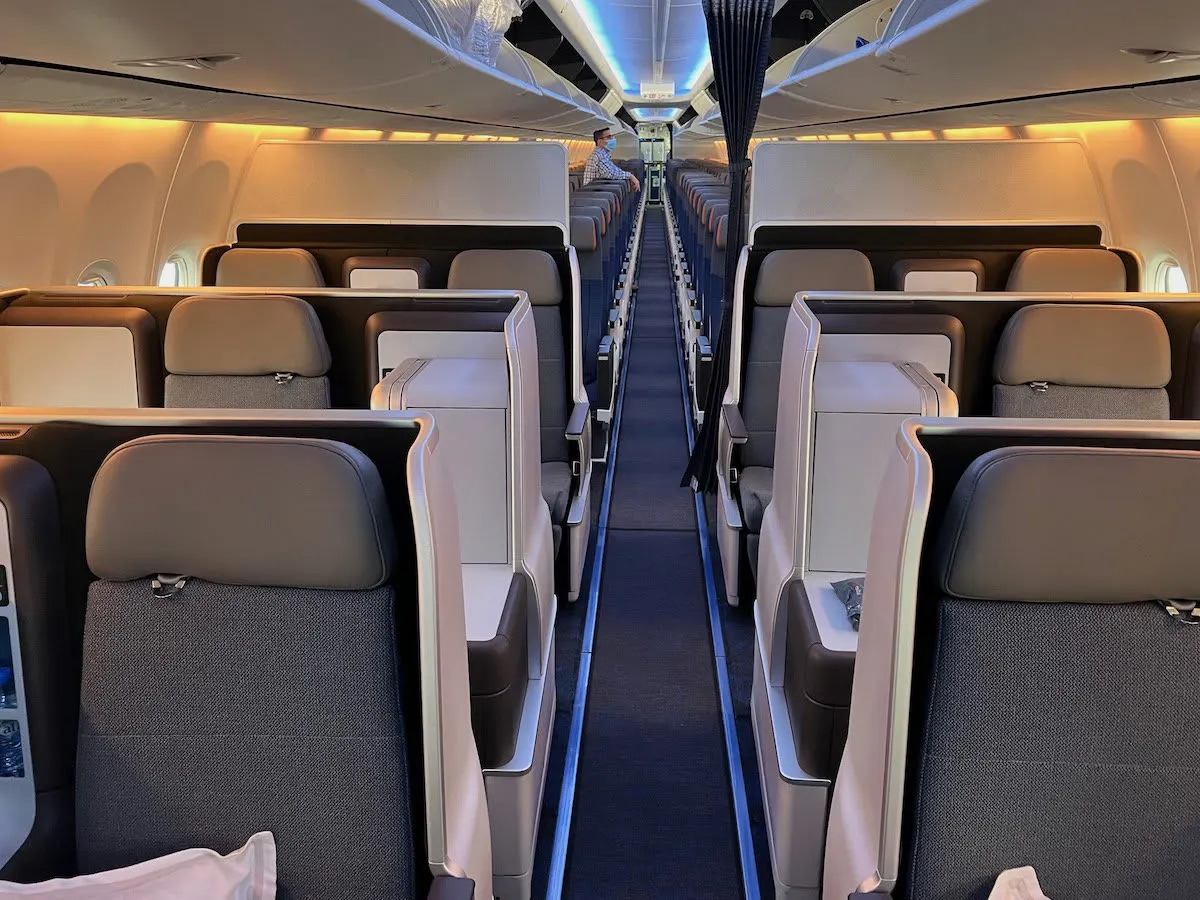
Flydubai Upgrading 21 Boeing 737 MAX 8s to Flat Bed Seats
Flydubai is retrofitting 21 Boeing 737 MAX 8 aircraft with lie-flat business class seats to standardize its premium product by late 2027.
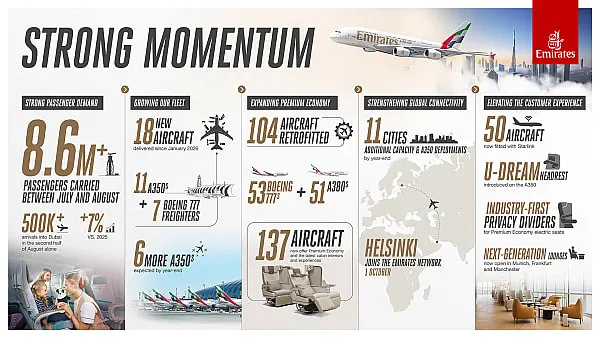
Emirates Winter Booking Momentum Grows Amid Fleet Expansion
Emirates carried 8.6 million passengers this summer and enters winter with strong demand as it accelerates fleet retrofits and network growth.
Air Arabia Consortium Gains AOC for New Dammam Budget Airline
A Saudi GACA-led consortium including Air Arabia has secured an AOC to launch a new budget airline based at Dammam's King Fahd International Airport.
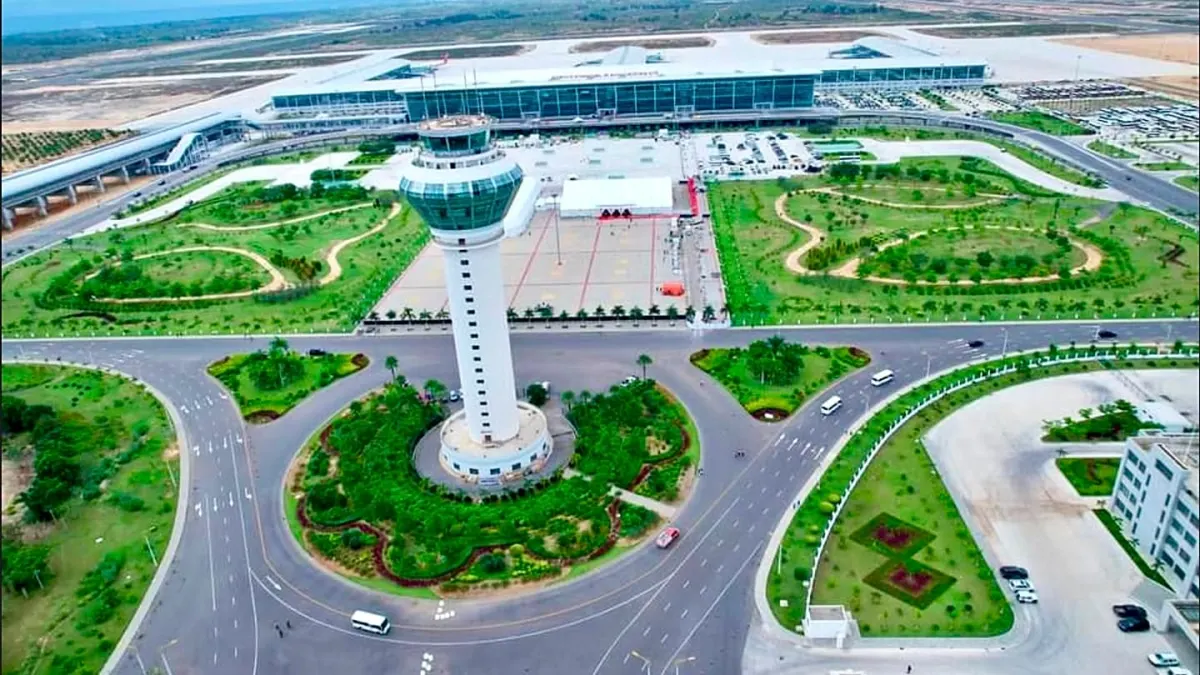
Turkish Airlines Exits Luanda as Angola Hub Struggles
Turkish Airlines dropped its Luanda route as Angola's new airport struggles to attract traffic, handling only 756,028 passengers in 2025.

Red Sea Airlines Leases Two 737 MAX 8s for 2027 Expansion
Red Sea Airlines signed a lease for two Boeing 737 MAX 8 aircraft from SMBC Aviation Capital, arriving in 2027 to support its 14-aircraft fleet goal.
Avelo CEO Warns Airfares May Rise on Jet Fuel Price Spikes
Avelo Airlines CEO Andrew Levy warns that rising fuel costs may force fare increases as global jet fuel prices reach $171.01 per barrel.