IndiGo Appoints Willie Walsh as CEO for Global Growth

Aviation News Editor & Industry AnalystAviation News Editor & Industry Analyst delivering clear coverage for a worldwide audience.
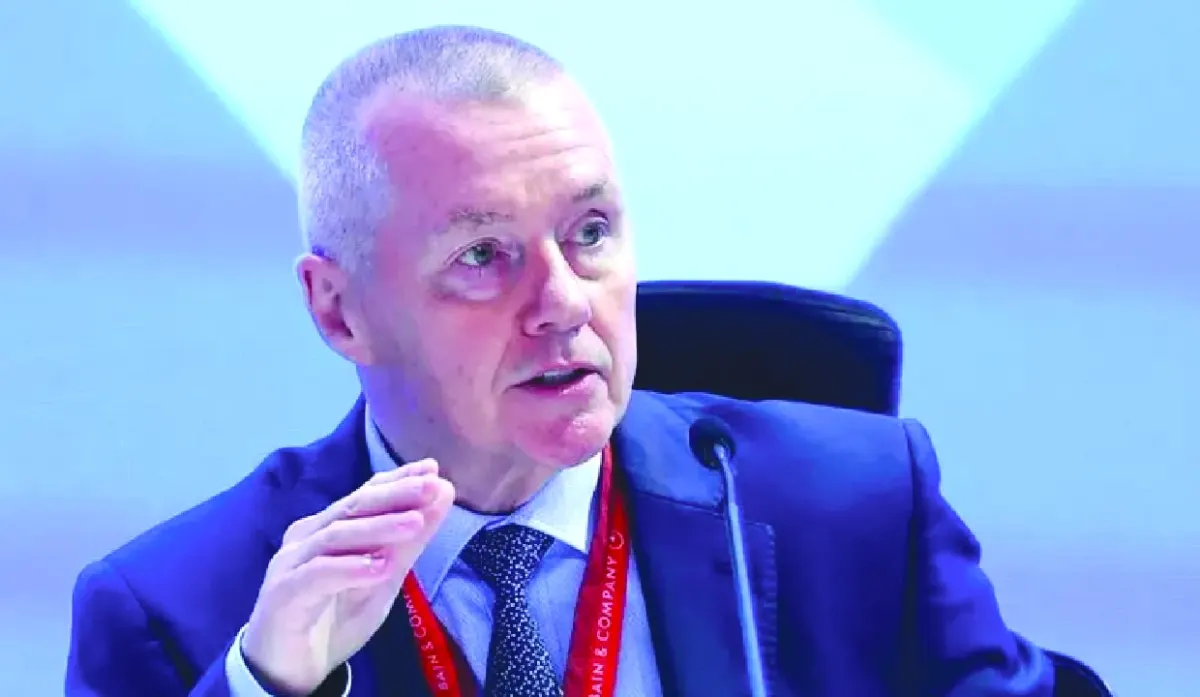
Willie Walsh took charge as IndiGo CEO to lead its international expansion as the carrier secures a 66.3% domestic market share.
Key Takeaways
- •Willie Walsh assumes charge as IndiGo CEO starting August 3, 2026.
- •IndiGo commands a dominant 66.3% domestic market share in India.
- •Carrier targets international expansion with 60 Airbus A350-900 orders.
- •Backlog exceeds 900 aircraft to support long-term global growth.
On August 3, 2026, Willie Walsh officially assumed charge as Willie Walsh IndiGo CEO, marking a pivotal transition for India's largest carrier. Walsh takes the helm at a time when the airline is pursuing aggressive IndiGo international expansion and preparing for the arrival of its first wide-body IndiGo A350-900 aircraft in 2028. This leadership transition occurs as the carrier solidifies its dominant Indian aviation market share amidst rapid industry consolidation.
The appointment of Walsh, an Irish national and former Director General of the International Air Transport Association (IATA), follows the sudden exit of Pieter Elbers. Elbers resigned in March 2026 after massive operational disruptions impacted the airline in December 2025. Walsh, who previously served as CEO of Aer Lingus, British Airways, and the International Airlines Group (IAG), is tasked with stabilizing IndiGo's domestic operations while scaling its global footprint.
Market Dominance and Fleet Scale
IndiGo operates a fleet of more than 430 planes and executes nearly 2,200 daily flights. According to official data from the Directorate General of Civil Aviation, IndiGo's domestic market share rose to 66.3% in June 2026. This places the carrier far ahead of its nearest competitor, the Air India Group—comprising Air India and Air India Express—which held a 23.9% domestic market share in June 2026 while operating approximately 900 weekly flights.
Following the announcement of Walsh taking charge, investor confidence surged. On the Bombay Stock Exchange (BSE), shares of InterGlobe Aviation, IndiGo's parent company, rose 4.38% to close at Rs 5,397 apiece, outperforming the benchmark Sensex index which rose by nearly 1%.
Rahul Bhatia, Managing Director of IndiGo, emphasized Walsh's operational depth. Bhatia stated that Walsh's extensive global experience and strategic expertise will be instrumental as the airline accelerates its international expansion. Bhatia noted that Walsh is highly motivated to make a lasting difference, emphasizing that this role is not a stepping stone for the veteran executive.
Stakeholder Impact and Alternative Perspectives
The leadership transition carries significant implications across the region's aviation landscape. For the Air India Group, Walsh's arrival represents a high-severity competitive threat, as IndiGo brings in a seasoned legacy-carrier executive to launch its long-haul operations. Middle Eastern Gulf carriers, such as Emirates and Qatar Airways, face medium-severity risks of losing transit passenger market share as IndiGo builds direct connections from India to Europe. Internally, IndiGo's flight crew and operations staff will navigate a medium-severity transition period as they adapt to wide-body operations and Walsh's strict operational directives.
However, this consolidation has raised concerns. Some aviation industry analysts and consumer advocates argue that IndiGo's 66.3% market share introduces monopoly risks that could lead to higher domestic fares and reduced consumer choice. Additionally, financial analysts have expressed skepticism regarding whether a low-cost carrier can successfully manage the structural cost complexities of a wide-body fleet without compromising its core low-cost efficiency.
Historical Precedents in Indian Aviation
This executive transition mirrors previous high-profile appointments in the region. In May 2022, the Tata-owned flag carrier appointed Campbell Wilson as CEO of Air India, which triggered a massive corporate restructuring and a historic multi-billion-dollar fleet order. Similarly, Pieter Elbers' appointment as IndiGo CEO in September 2022 initiated the carrier's post-pandemic growth phase and laid the groundwork for its wide-body order before his sudden departure in early 2026. Walsh's entry represents an acceleration of this trend, where Indian carriers recruit top-tier global executives to manage rapid scaling.
Airbus A350-900 vs. Boeing 787-9: Key Specifications
To support its long-haul ambitions, IndiGo has committed to a major wide-body fleet acquisition. The table below compares the specifications of IndiGo's ordered wide-body variant against its primary industry competitor.
| Metric | Airbus A350-900 (IndiGo Order) | Boeing 787-9 Dreamliner |
|---|---|---|
| Range | 8,100 nmi | 7,530 nmi |
| Typical Seating | 300-350 | ~290 |
| Maximum Takeoff Weight (MTOW) | 283 tonnes | 254 tonnes |
Inside IndiGo's Transition to Wide-Body Operations
IndiGo's shift from a single-aisle, low-cost carrier to a dual-fleet global network operator represents a fundamental evolution in South Asian aviation. Historically, low-cost airlines attempting long-haul operations face severe margin pressures due to the complexities of multi-class cabins, cargo logistics, and longer airport turnaround times. However, IndiGo's massive backlog of over 900 aircraft on order provides a unique structural advantage, allowing the carrier to feed its long-haul flights from an unrivaled domestic network. By leveraging Walsh's experience in managing premium legacy networks at British Airways, IndiGo is positioned to challenge established hub-and-spoke carriers, shifting traffic patterns toward direct point-to-point international travel.
Timeline for the Airbus A350-900 Deliveries
The primary operational milestone under Walsh's leadership is the scheduled delivery of the first Airbus A350-900 aircraft, which is confirmed for 2028. IndiGo has ordered 60 of the wide-body jets to anchor its long-haul network. Following this integration, IndiGo management is expected to make its next major fleet order decision in the early 2030s to sustain its long-term growth. In the immediate term, Walsh must focus on stabilizing domestic operations to prevent a recurrence of the flight disruptions seen in late 2025.
Why the Global Market Is Watching
This development signals a mature phase for Indian aviation, where domestic dominance is being leveraged to capture lucrative international long-haul traffic. For global competitors, Walsh's appointment indicates that IndiGo will no longer operate solely as a regional low-cost carrier but as a formidable international network challenger. The success of this strategy will determine whether the Indian market can support two competing global mega-carriers.
Frequently Asked Questions
- Who is the new CEO of IndiGo?
- Willie Walsh assumed charge as the Chief Executive Officer of IndiGo on August 3, 2026, succeeding Pieter Elbers.
- What is IndiGo's current domestic market share in India?
- According to June 2026 data from the Directorate General of Civil Aviation, IndiGo commands a dominant 66.3% of the Indian domestic aviation market.
- When will IndiGo receive its first Airbus A350-900 aircraft?
- IndiGo is expected to begin taking deliveries of its 60 ordered Airbus A350-900 wide-body aircraft starting in early 2028.
Access up-to-date commercial aviation news and airline industry developments via omniflights.com. Discover how innovation is shaping aviation through aircraft systems, avionics, and digital tools at omniflights.com/technology.
Written by Ujjwal Sukhwani
Aviation News Editor & Industry Analyst delivering clear coverage for a worldwide audience. Covers flight operations, safety regulations, and market trends with expert analysis.
Visit ProfileYou Might Also Like
Discover more aviation news based on similar topics
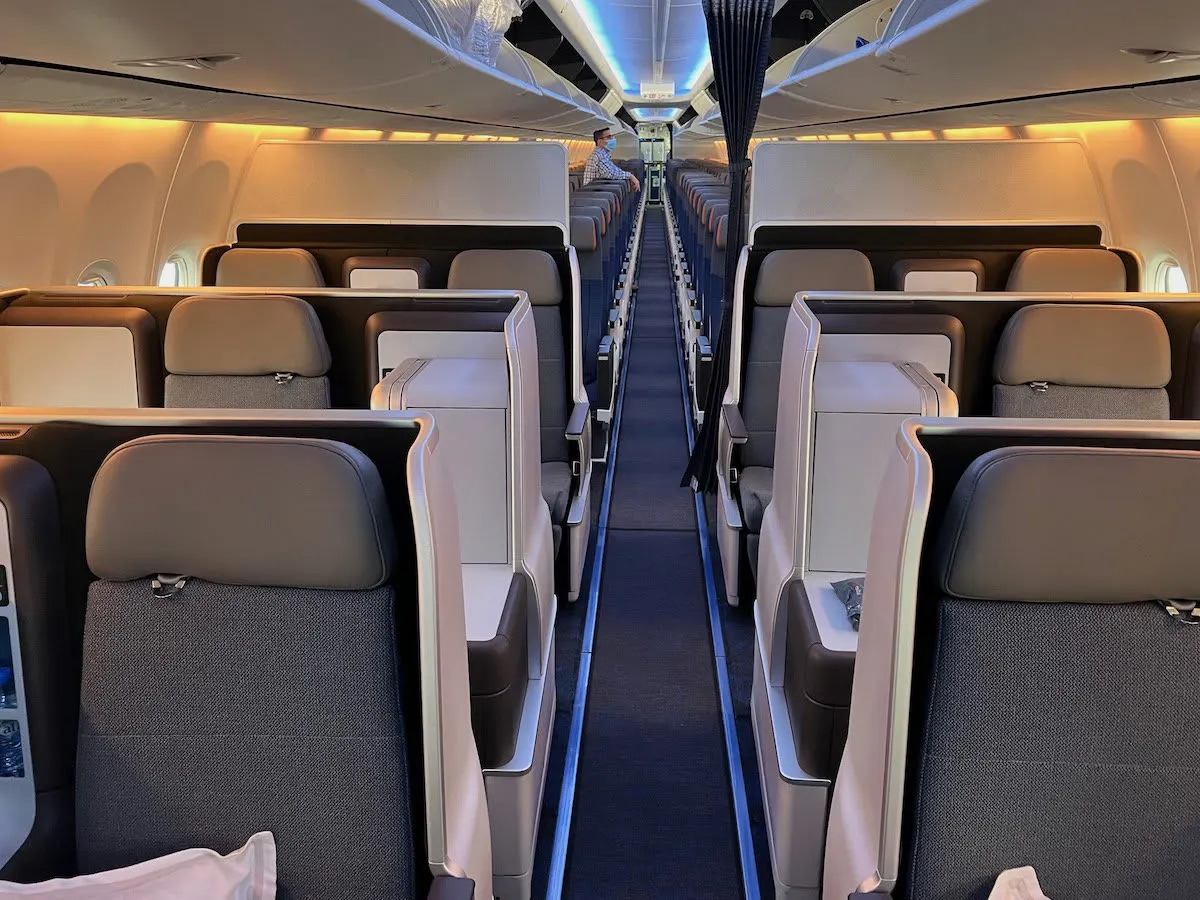
Flydubai Upgrading 21 Boeing 737 MAX 8s to Flat Bed Seats
Flydubai is retrofitting 21 Boeing 737 MAX 8 aircraft with lie-flat business class seats to standardize its premium product by late 2027.
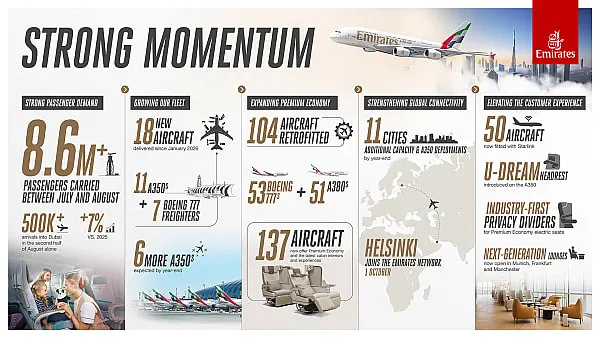
Emirates Winter Booking Momentum Grows Amid Fleet Expansion
Emirates carried 8.6 million passengers this summer and enters winter with strong demand as it accelerates fleet retrofits and network growth.
Air Arabia Consortium Gains AOC for New Dammam Budget Airline
A Saudi GACA-led consortium including Air Arabia has secured an AOC to launch a new budget airline based at Dammam's King Fahd International Airport.
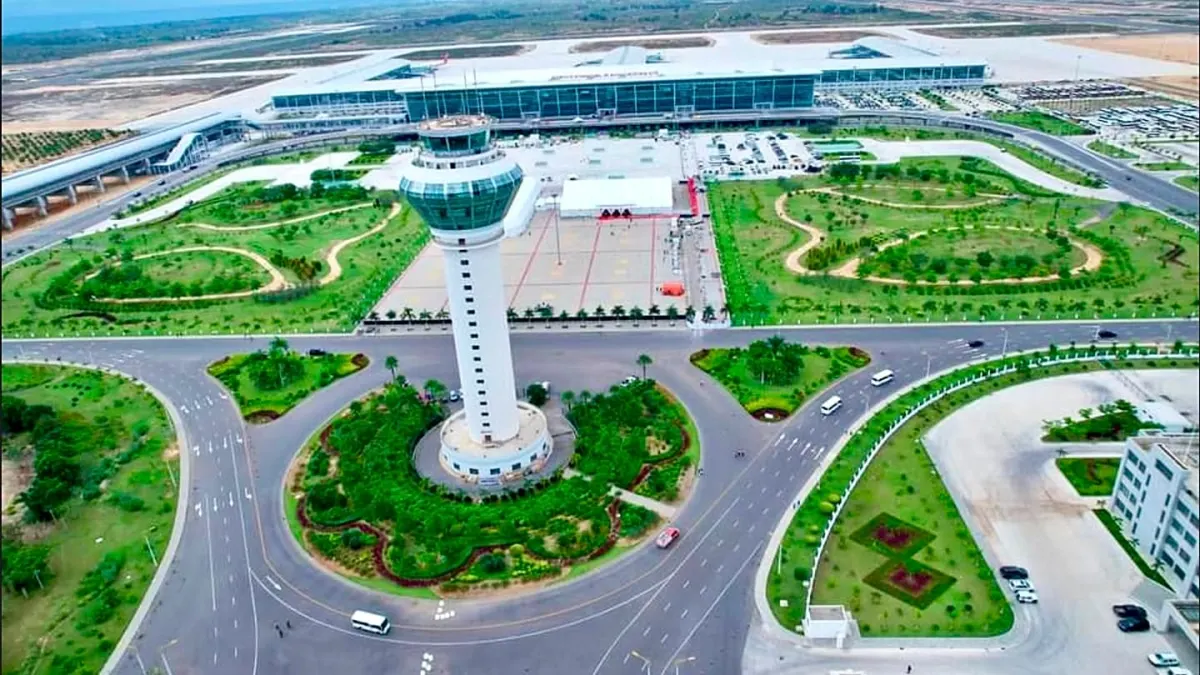
Turkish Airlines Exits Luanda as Angola Hub Struggles
Turkish Airlines dropped its Luanda route as Angola's new airport struggles to attract traffic, handling only 756,028 passengers in 2025.

Red Sea Airlines Leases Two 737 MAX 8s for 2027 Expansion
Red Sea Airlines signed a lease for two Boeing 737 MAX 8 aircraft from SMBC Aviation Capital, arriving in 2027 to support its 14-aircraft fleet goal.
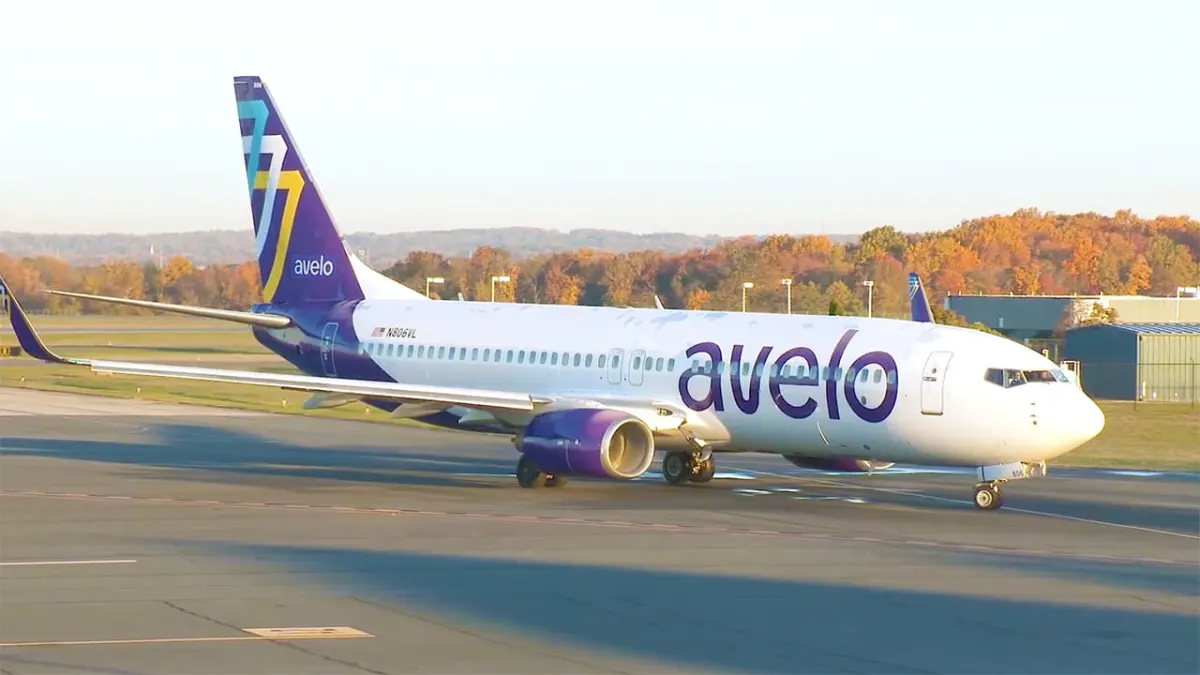
Avelo CEO Warns Airfares May Rise on Jet Fuel Price Spikes
Avelo Airlines CEO Andrew Levy warns that rising fuel costs may force fare increases as global jet fuel prices reach $171.01 per barrel.