IndiGo A350-900s to Feature High-Density Seating

Aviation News Editor & Industry AnalystAviation News Editor & Industry Analyst delivering clear coverage for a worldwide audience.
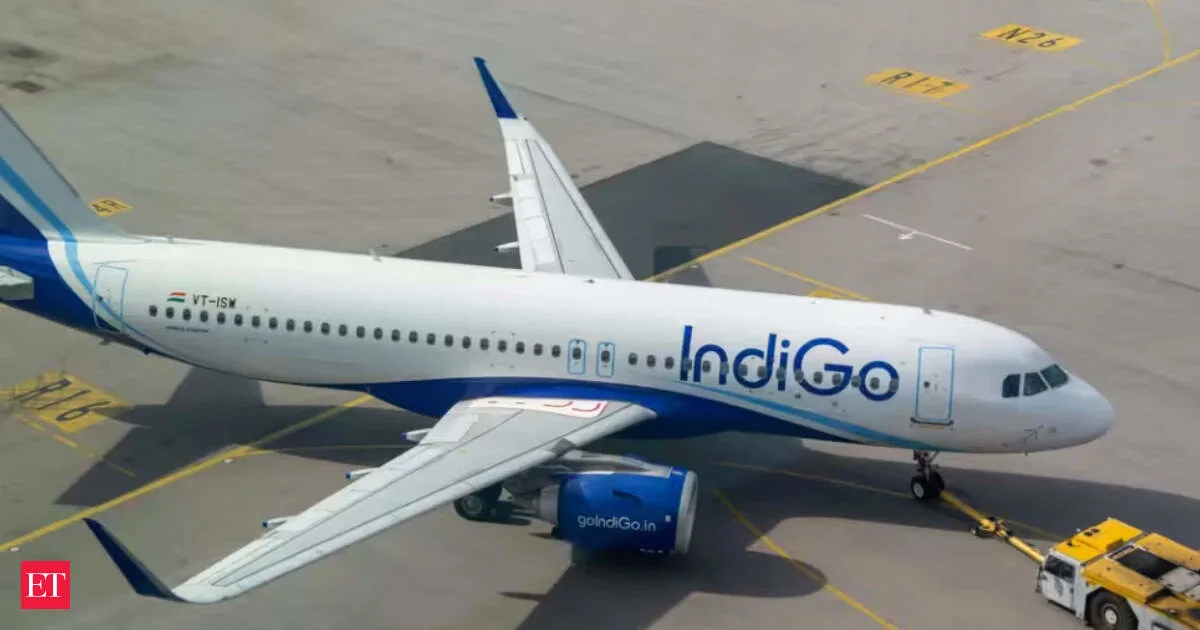
IndiGo will configure its 60 Airbus A350-900 widebody aircraft with high-density economy seating to lower per-seat costs on long-haul routes.
Key Takeaways
- •IndiGo plans to launch long-haul flights to Europe starting in early 2028.
- •Carrier placed a firm order for 60 Airbus A350-900 widebody aircraft.
- •Economy cabins will feature a high-density layout with over 300 seats.
- •Strategy utilizes multiple Indian hubs to bypass Middle Eastern transit.
Indian low-cost carrier IndiGo is finalizing cabin specifications for its upcoming IndiGo long-haul flights to Europe, leveraging its landmark IndiGo A350 order to challenge legacy operators. The airline plans to introduce a small, premium IndiGo business class alongside a high-density economy cabin to maintain its structural cost advantage. This strategic shift marks a major evolution for the carrier, which expects its first widebody deliveries in early 2028.
The entry of India's largest domestic carrier into the long-haul market directly targets the current monopoly held by Air India on direct routes between India and Europe. By configuring its new Airbus A350 (A350) fleet with a highly dense economy section, the airline seeks to achieve a lower unit cost per seat. This pricing power will enable aggressive fare competition, potentially disrupting both Indian legacy carriers and European network airlines that rely on premium connecting traffic through Middle Eastern hubs.
Seating Configuration and Cabin Amenities
According to official manufacturer disclosures, the airline has secured a total commitment for 60 widebody aircraft, finalized through a follow-on Airbus A350-900 firm order in October 2025. While the airline currently operates narrow-body Airbus A321 (A321) aircraft in dual-cabin configurations on short-haul international and domestic routes, the transition to widebody operations requires a modified product strategy.
Planning details indicate that the economy cabin on the A350-900 fleet will feature over 300 seats, making it one of the densest economy configurations on this aircraft type. The economy seat pitch is planned to remain at a standard 31 inches. To accommodate passengers on flights exceeding eight hours, IndiGo will offer hot food and In-Flight Entertainment (IFE) systems, representing a departure from its traditional bare-bones domestic low-cost model.
Chief Strategy Officer Aloke Singh noted that as flight lengths exceed the eight-hour range, the product must adapt to market needs while maintaining core principles of efficiency, cost discipline, scale, and connectivity.
Airbus A350-900 Seating Configurations (India Market)
To understand the scale of IndiGo's high-density strategy, the table below compares its projected cabin configuration with that of its primary domestic rival, Air India, which currently operates the A350-900 on international routes.
| Metric | IndiGo (Expected) | Air India |
|---|---|---|
| Total Seats | 350+ | 316 |
| Economy Class Size | >300 | 264 |
The long-haul low-cost business model has historically faced significant structural challenges. In 2013, Norwegian Air Shuttle launched ambitious long-haul low-cost operations, which ultimately resulted in severe financial distress and a complete cessation of long-haul services in 2021 to focus exclusively on short-haul routes. Conversely, AirAsia X has operated medium and long-haul flights since 2007 using high-density configurations. Despite undergoing a major financial restructuring during the pandemic, the carrier continues to operate, demonstrating that a model reliant on high-density seating and unbundled ancillary revenues can survive under specific market conditions.
The Economics of High-Density Widebody Operations
IndiGo's dual-class widebody strategy reflects a calculated evolution of the long-haul low-cost model, adapting to structural shifts in global aviation. By capping the premium cabin to a small business class and packing more than 300 seats into the economy section, the carrier maximizes its revenue-generating real estate. This high-density layout directly lowers the cost per available seat kilometer, allowing IndiGo to offer highly competitive fares while maintaining a viable margin. Historically, carriers like Norwegian failed because they could not sustain high load factors at yield levels sufficient to cover widebody ownership costs. IndiGo, however, enters the long-haul arena backed by a massive domestic feed network. This structural advantage allows the carrier to funnel passengers from tier-2 and tier-3 Indian cities through multiple domestic hubs directly onto its European flights. The combination of high-density cabin economics and domestic network depth represents a robust defense against the traditional pitfalls of the long-haul low-cost model, positioning the airline to challenge legacy carriers on unit-cost efficiency.
Certification and Fleet Induction Timeline
The primary milestone for IndiGo's long-haul expansion is the delivery and induction of its first Airbus A350-900, which is officially scheduled to begin in early 2028. Before these aircraft can enter commercial service, IndiGo must navigate several regulatory and operational hurdles. The airline's planned high-density seating configuration will require formal Aircraft Type Certification from the Directorate General of Civil Aviation (DGCA) in India and the European Union Aviation Safety Agency (EASA). This certification process is critical to verify that the dense cabin layout complies with emergency evacuation limits and international safety standards.
Furthermore, to support its multi-hub strategy, IndiGo must secure slot allocations and traffic rights under Bilateral Air Service Agreements governed by India's Ministry of Civil Aviation and European regulatory bodies. Senior VP for Planning and Revenue Management Abhijit Dasgupta indicated that the airline plans to deploy long-haul capacity across multiple major Indian airports where the carrier has already established operational depth, leveraging local catchment markets.
The Impact on the India-Europe Travel Corridor
This development represents a major shift for both passengers and competitors in the Indian aviation market. For Indian passengers, the introduction of direct, budget-friendly flights to Europe offers a viable alternative to Middle Eastern hubs, potentially lowering travel times and fares. For Air India and European legacy carriers, IndiGo's entry introduces intense pricing pressure on historically high-yield routes, forcing a strategic reassessment of their product offerings and fare structures in the region.
Frequently Asked Questions
- When will IndiGo receive its first Airbus A350-900 aircraft?
- IndiGo is scheduled to begin receiving its Airbus A350-900 widebody aircraft in early 2028.
- How will IndiGo configure its Airbus A350-900 economy cabin?
- IndiGo plans a high-density economy layout featuring over 300 seats with a standard 31-inch seat pitch.
- What amenities will IndiGo offer on its long-haul flights?
- To accommodate passengers on flights exceeding eight hours, IndiGo will provide hot food and in-flight entertainment systems.
omniflights.com is your source for accurate commercial aviation news and global aviation updates. Discover how innovation is shaping aviation through aircraft systems, avionics, and digital tools at omniflights.com/technology.
Written by Ujjwal Sukhwani
Aviation News Editor & Industry Analyst delivering clear coverage for a worldwide audience. Covers flight operations, safety regulations, and market trends with expert analysis.
Visit ProfileYou Might Also Like
Discover more aviation news based on similar topics
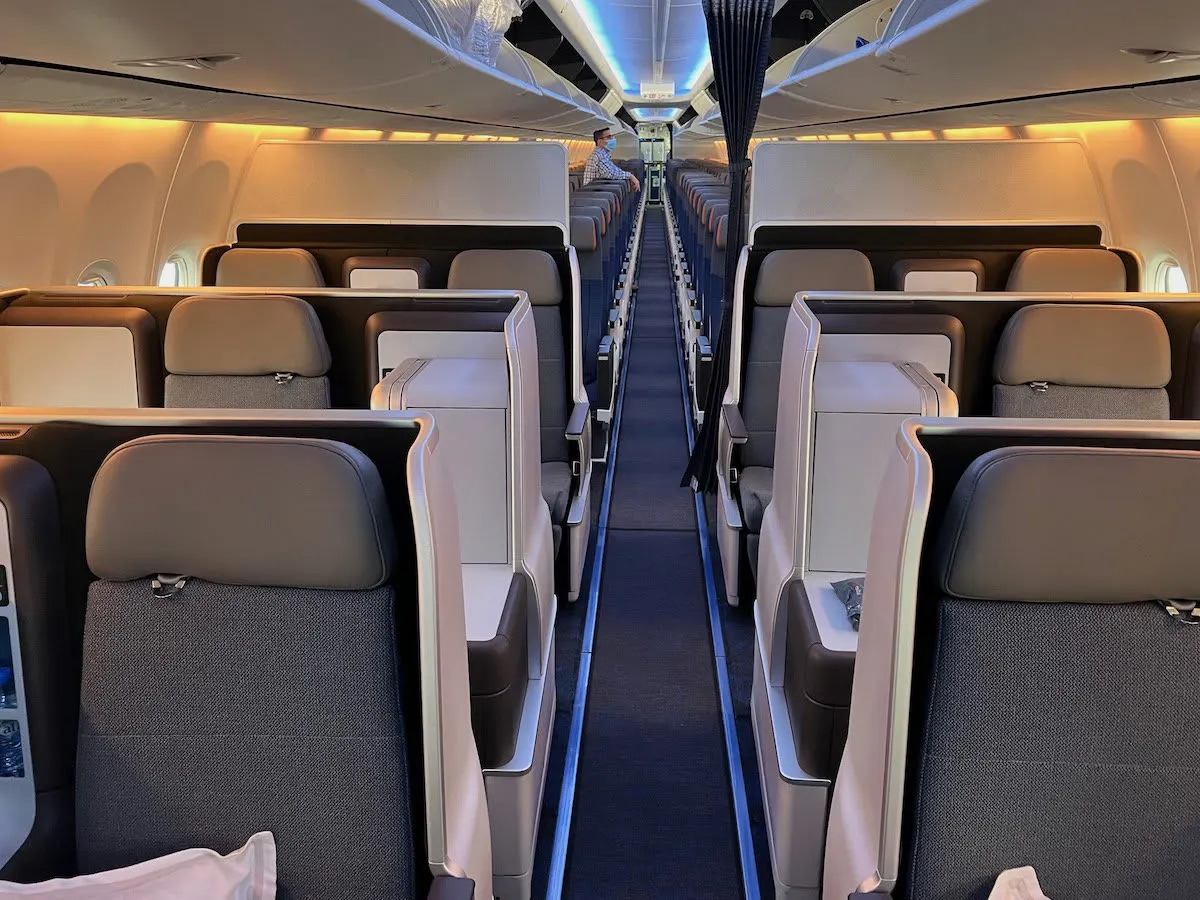
Flydubai Upgrading 21 Boeing 737 MAX 8s to Flat Bed Seats
Flydubai is retrofitting 21 Boeing 737 MAX 8 aircraft with lie-flat business class seats to standardize its premium product by late 2027.
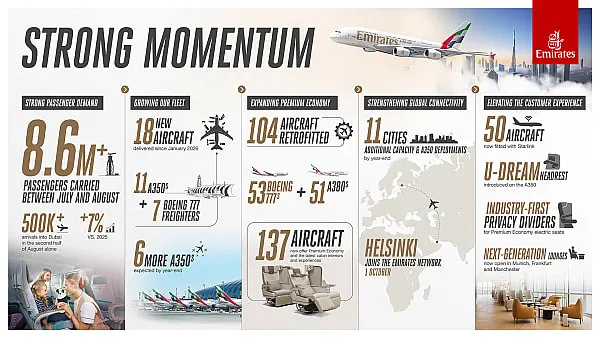
Emirates Winter Booking Momentum Grows Amid Fleet Expansion
Emirates carried 8.6 million passengers this summer and enters winter with strong demand as it accelerates fleet retrofits and network growth.
Air Arabia Consortium Gains AOC for New Dammam Budget Airline
A Saudi GACA-led consortium including Air Arabia has secured an AOC to launch a new budget airline based at Dammam's King Fahd International Airport.
Turkish Airlines Exits Luanda as Angola Hub Struggles
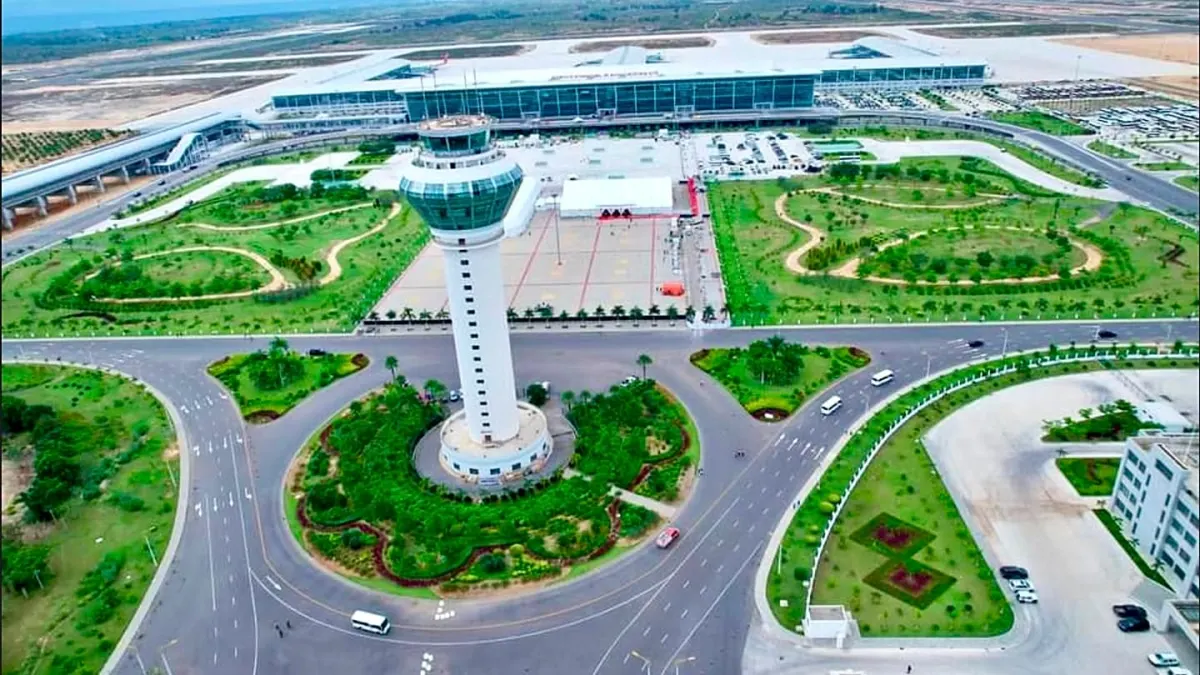
Turkish Airlines dropped its Luanda route as Angola's new airport struggles to attract traffic, handling only 756,028 passengers in 2025.

Red Sea Airlines Leases Two 737 MAX 8s for 2027 Expansion
Red Sea Airlines signed a lease for two Boeing 737 MAX 8 aircraft from SMBC Aviation Capital, arriving in 2027 to support its 14-aircraft fleet goal.
Avelo CEO Warns Airfares May Rise on Jet Fuel Price Spikes
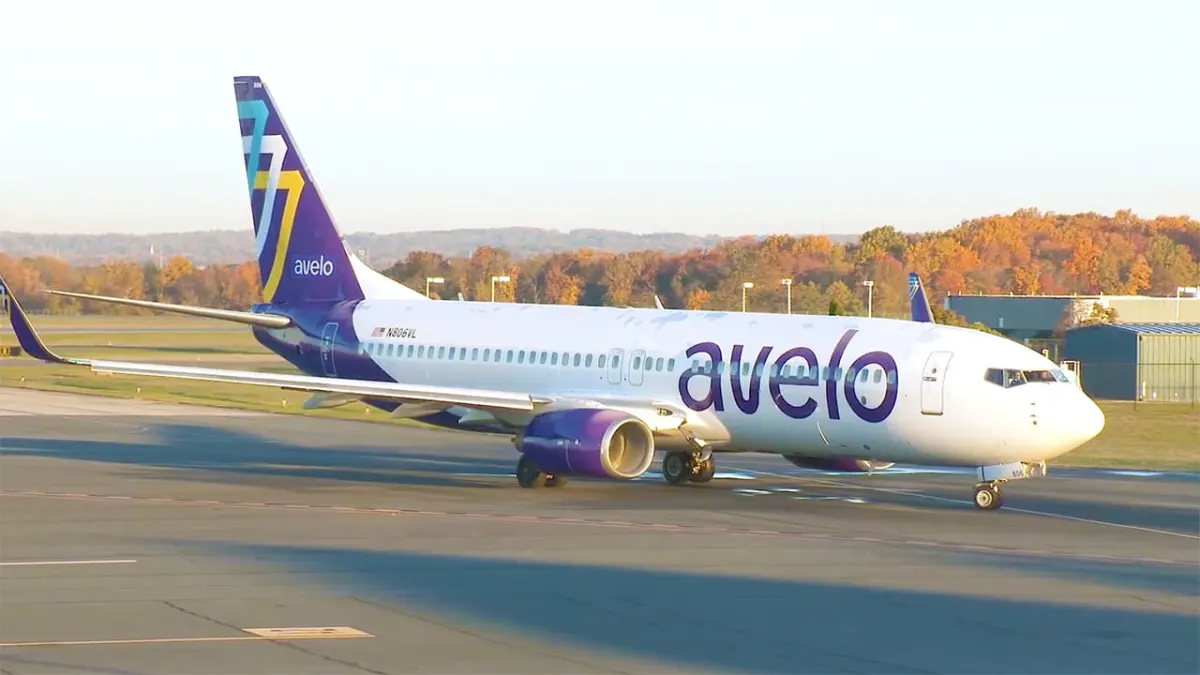
Avelo Airlines CEO Andrew Levy warns that rising fuel costs may force fare increases as global jet fuel prices reach $171.01 per barrel.