IndiGo A321neo Hits Bird at BLR, Flight 6E 6283 Delayed


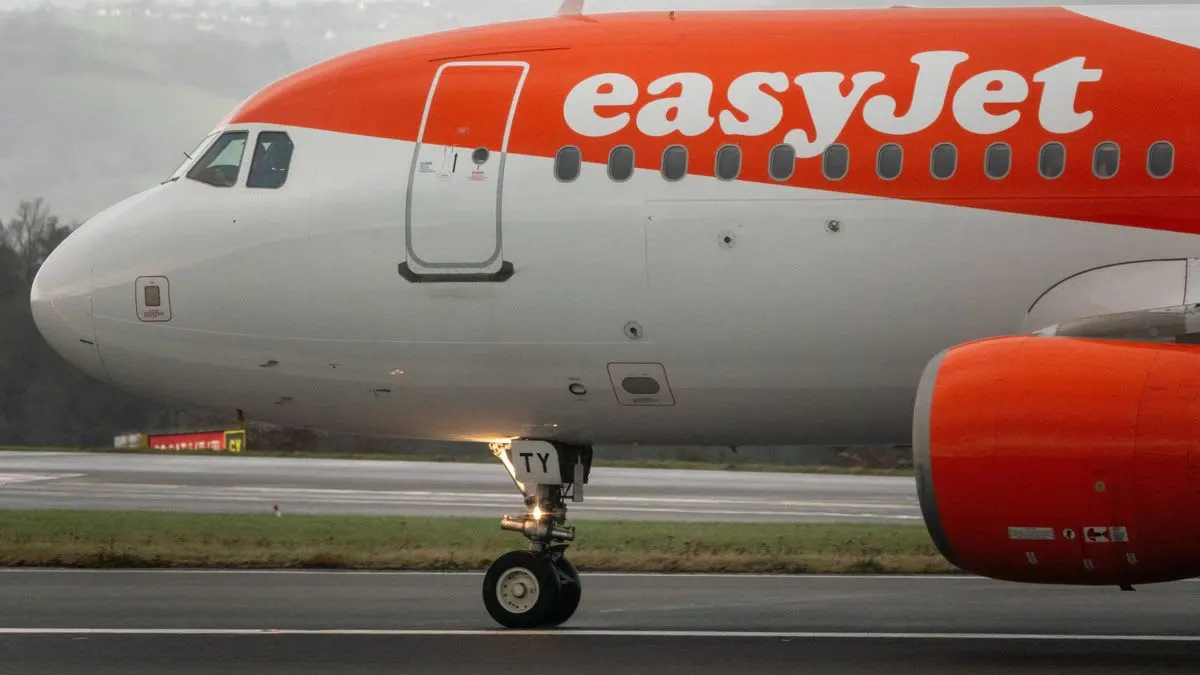
An IndiGo A321neo experienced a bird strike during takeoff at Bengaluru on Friday, causing a 1 hour and 42 minute delay for flight 6E 6283.
Key Takeaways
- •IndiGo flight 6E 6283 aborted takeoff at BLR after a bird strike.
- •The A321neo flight was delayed by 1 hour and 42 minutes.
- •India reported 1,782 bird-hit incidents in 2025.
- •Engineering teams performed mandatory bore-scope engine inspections.
Incident Overview on Friday
An IndiGo Airbus A321neo experienced a bird strike during its takeoff roll at Kempegowda International Airport Bengaluru (BLR) on Friday, June 5, 2026. The incident forced the flight crew to immediately abort the takeoff and return the aircraft to the bay for mandatory safety inspections. Flight 6E 6283, bound for Chhatrapati Shivaji Maharaj International Airport (BOM), was subsequently delayed by approximately 1 hour and 42 minutes, departing at 8:46 PM instead of its scheduled 7:04 PM slot.
Operational Response and Maintenance
The immediate decision to abort the takeoff reflects standard safety protocols regarding potential engine ingestion. According to an official IndiGo spokesperson, the aircraft was cleared for departure only after the airline's engineering team completed a comprehensive safety check. For IndiGo line maintenance operations, this event necessitated the immediate deployment of personnel to conduct an unscheduled engine bore-scope inspection. Such procedures are critical, as the airline operates over 400 aircraft, and any severe engine damage could lead to prolonged grounding periods during a time when global engine shop turnaround times can reach 300 days.
Regulatory Environment and Wildlife Hazards
The Directorate General of Civil Aviation (DGCA) (https://www.dgca.gov.in/digigov-portal/) mandates that all licensed aerodrome operators implement a Wildlife Hazard Management Plan (WHMP) to identify and mitigate strike risks. Airports are also required to maintain Airfield Environment Management Committees (AEMC) to enforce environmental control measures. Despite these efforts, data presented to the Lok Sabha in February 2026 indicates a rising trend in wildlife conflicts. India recorded 1,782 bird-hit incidents in 2025, a significant increase from 1,278 in 2024 and 1,371 in 2023. This surge in strikes has been observed concurrently with the rapid post-pandemic recovery and the expansion of national air traffic.
Historical Context and Safety Precedents
Historical events underscore the necessity of the precautionary measures taken by the flight crew of 6E 6283. In 2019, Ural Airlines Flight 178 suffered a dual engine failure after striking a flock of gulls during takeoff, which forced a successful emergency landing in a field. Similarly, the 2009 incident involving US Airways Flight 1549 demonstrated the catastrophic potential of bird ingestion, where a flock of Canada geese caused a total loss of thrust in both engines shortly after departure. These events serve as the foundation for modern aviation safety training, which prioritizes immediate inspection over schedule adherence when a strike is suspected.
Wildlife Mitigation Strategies
Beyond technical inspections, the incident highlights the broader challenge of managing airport environments. While airlines focus on pilot caution and maintenance, environmental advocacy groups have argued that the continuous expansion of airports into natural habitats increases the frequency of human-wildlife conflicts. Airport operators, including the management at Kempegowda International Airport Bengaluru, face mounting pressure to deploy advanced bird-deterrent technologies to comply with DGCA directives and minimize operational disruptions.
What Comes Next
The Directorate General of Civil Aviation is expected to release its comprehensive annual wildlife strike report for 2026 in early 2027. This document will provide further insight into the efficacy of current mitigation strategies across Indian airports. In the interim, airlines like IndiGo will continue to rely on strict adherence to the Wildlife Hazard Management Plan to protect both passengers and fleet assets from the risks posed by local wildlife populations.
Why This Matters
This incident illustrates the operational fragility of modern narrow-body fleets when faced with wildlife hazards. For passengers on flight 6E 6283, the event caused an unexpected delay, but for the airline, it represents a standard yet costly safety procedure in a high-traffic environment. As air travel continues to grow, the ability of airports and carriers to manage the interface between aviation infrastructure and local ecosystems remains a critical factor in maintaining safety standards.
Frequently Asked Questions
- What is the procedure when an aircraft experiences a bird strike during takeoff?
- Pilots typically abort the takeoff if a bird strike is detected during the takeoff roll to ensure the safety of the aircraft. Following the return to the gate, engineering teams perform mandatory inspections, such as bore-scope engine checks, to identify any potential damage before the aircraft is cleared for operation.
- Why are bird strikes considered a significant safety concern in Indian aviation?
- Bird strikes pose a risk of engine damage or failure, which can lead to extended groundings and safety hazards. With over 1,782 incidents recorded in 2025, the Directorate General of Civil Aviation mandates strict Wildlife Hazard Management Plans at airports to mitigate these risks as air traffic continues to increase.
omniflights.com provides comprehensive commercial aviation news covering airlines, aircraft, and airports. For detailed airline coverage, route changes, and fleet moves, explore the Airlines section at omniflights.com/airlines.

Written by Hardik Vishwakarma
Co-Founder & Aviation News Editor leading initiatives that improve trust and visibility across the global aviation industry. Covers airlines, airports, safety, and emerging technology.
Visit ProfileYou Might Also Like

Israel Bans United Airlines Pilot Over Pro-Iran Posts

Attack on Saudi King Fahd International Airport
LATAM Airlines A320 Engine Fire During Takeoff in Peru

Riyadh Airport Limits Traffic Following Houthi Attacks

FAA Mandates Fuel Valve Inspections for A330 and A340