Indian Airlines Begin Partial Resumption of Middle East Flights

Co-Founder & CEOAviation News Editor delivering trusted coverage across the global aviation industry.
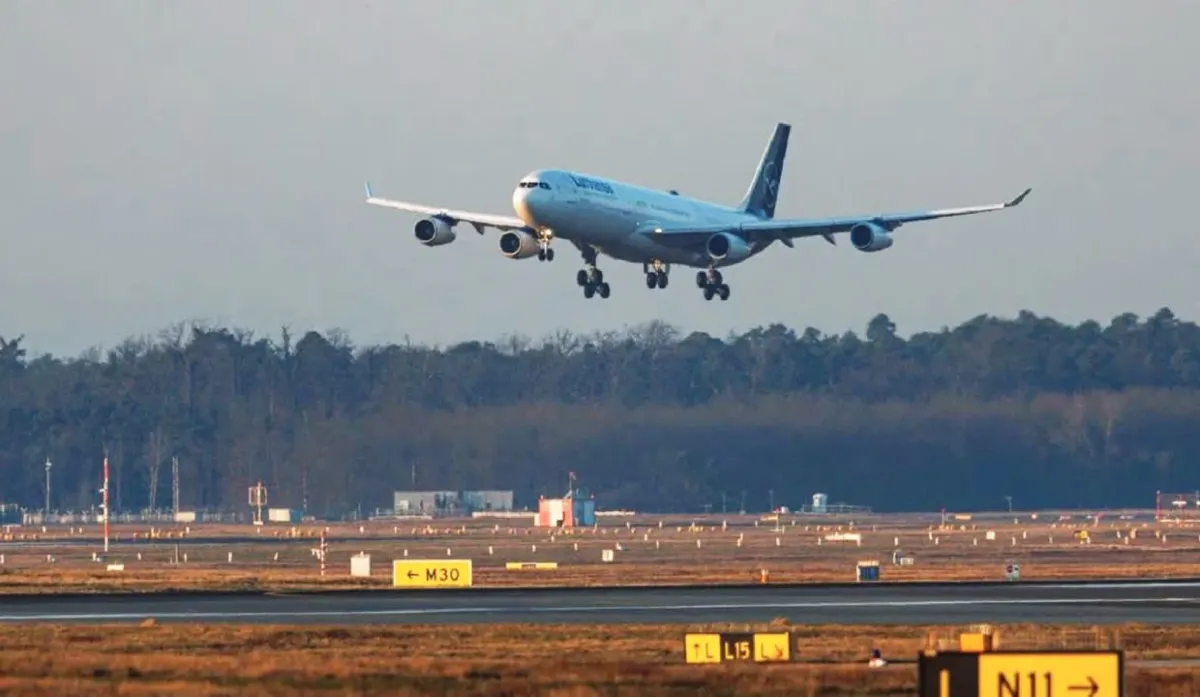
Indian carriers are partially resuming Middle East flights after mass cancellations due to regional conflict, with a focus on repatriation services.
Key Takeaways
- •Cancel over 25,000 flights across the Middle East due to regional conflict and airspace closures.
- •Resume limited services, with IndiGo operating 17 departures to eight destinations.
- •Deploy special repatriation flights by Air India and SpiceJet from the UAE to assist stranded passengers.
- •Establish a Passenger Assistance Control Room by India's DGCA to support travelers and monitor airfares.
Indian carriers including IndiGo, Air India, and SpiceJet have initiated a phased resumption of flights to the Middle East amid persistent airspace restrictions linked to ongoing regional conflict. The restoration of services remains limited as airlines navigate the volatile security situation, which has caused unprecedented disruption to one of the world's most critical aviation corridors.
The scale of the disruption is significant, with industry data showing over 25,000 flights cancelled out of 44,000 scheduled across the Middle East between February 28 and March 5. This has severely impacted major hubs, with traffic at Dubai International Airport showing early signs of recovery but still operating at only about 25% of its normal capacity.
Operational Responses and Repatriation Efforts
In response, Indian airlines are prioritizing passenger safety and repatriation. IndiGo announced it would operate 17 departures, which covers 34 flight sectors, to eight destinations in the region. The airline stated it is coordinating with authorities to reinstate more services progressively.
Similarly, Air India and its subsidiary Air India Express confirmed the resumption of flights to Jeddah and Muscat after Saudi Arabia and Oman reopened their airspace. However, the carrier clarified that its scheduled services to several other West Asian destinations will remain suspended until March 10. To assist affected customers, Air India is offering a flexible rescheduling policy for tickets issued until March 4, allowing changes without fees for travel within one month.
SpiceJet has focused on evacuation, scheduling special flights from the United Arab Emirates (UAE) to India on March 6 and 7, with more planned for March 8. Air India has also organized ad-hoc repatriation flights from regional hubs like Dubai, Ras Al Khaimah, and Fujairah, subject to regulatory clearances. Airlines are urging passengers to monitor official communications for updates before traveling to airports.
Regulatory Oversight and Passenger Support
India's aviation regulator, the Directorate General of Civil Aviation (DGCA), has taken an active role in managing the crisis. The DGCA expanded on its regulatory duties by establishing a dedicated Passenger Assistance Control Room to provide support for stranded travelers and handle grievances. The regulatory authority is also closely monitoring airfares to prevent unreasonable price surges during this period of high demand and limited capacity.
Context and Historical Precedents
The current situation reflects previous instances where geopolitical tensions have rapidly impacted aviation. In April 2024, an escalation between Iran and Israel led to temporary but widespread airspace closures over several Middle Eastern countries, forcing mass diversions. A more severe precedent occurred in January 2020 after the downing of a Ukrainian passenger jet, which resulted in long-term flight restrictions over Iran by the FAA and EASA, underscoring the severe safety risks. The scale of the current disruption to global networks is analogous to the airspace closures following the onset of the Russia-Ukraine war in 2022, which forced permanent rerouting of major long-haul corridors.
What Comes Next
The immediate future of air travel in the region remains fluid and subject to the geopolitical climate. A key date for travelers is March 10, when Air India's current suspension of scheduled services to several West Asian destinations is set to expire, though any extension will depend on security assessments. The window for passengers to take advantage of Air India's flexible ticket rescheduling policy for affected flights closes on March 8. The DGCA's Passenger Assistance Control Room is expected to remain active as long as significant numbers of passengers remain affected. The phased resumption of flights by airlines like IndiGo will be closely watched as a barometer for operational stability in the region.
Why This Matters
This event highlights the profound vulnerability of global aviation networks to regional conflicts, capable of severing critical transit routes with little warning. For airlines, it demonstrates the immense operational and financial challenge of managing mass cancellations and coordinating complex repatriation efforts. For the industry, it reinforces the necessity of dynamic risk assessment and contingency planning in an increasingly unpredictable geopolitical landscape.
omniflights.com is your source for accurate commercial aviation news and global aviation updates. Discover how innovation is shaping aviation through aircraft systems, avionics, and digital tools at omniflights.com/technology.
Written by Hardik Vishwakarma
Co-Founder & Aviation News Editor leading initiatives that improve trust and visibility across the global aviation industry. Covers airlines, airports, safety, and emerging technology.
Visit ProfileYou Might Also Like
Discover more aviation news based on similar topics

Flydubai Upgrading 21 Boeing 737 MAX 8s to Flat Bed Seats
Flydubai is retrofitting 21 Boeing 737 MAX 8 aircraft with lie-flat business class seats to standardize its premium product by late 2027.

Emirates Winter Booking Momentum Grows Amid Fleet Expansion
Emirates carried 8.6 million passengers this summer and enters winter with strong demand as it accelerates fleet retrofits and network growth.
Air Arabia Consortium Gains AOC for New Dammam Budget Airline
A Saudi GACA-led consortium including Air Arabia has secured an AOC to launch a new budget airline based at Dammam's King Fahd International Airport.

Turkish Airlines Exits Luanda as Angola Hub Struggles
Turkish Airlines dropped its Luanda route as Angola's new airport struggles to attract traffic, handling only 756,028 passengers in 2025.

Red Sea Airlines Leases Two 737 MAX 8s for 2027 Expansion
Red Sea Airlines signed a lease for two Boeing 737 MAX 8 aircraft from SMBC Aviation Capital, arriving in 2027 to support its 14-aircraft fleet goal.
Avelo CEO Warns Airfares May Rise on Jet Fuel Price Spikes
Avelo Airlines CEO Andrew Levy warns that rising fuel costs may force fare increases as global jet fuel prices reach $171.01 per barrel.