United 757-200 Turns Back to Shannon After Mid-Air Issue

Co-Founder & CEOAviation News Editor delivering trusted coverage across the global aviation industry.
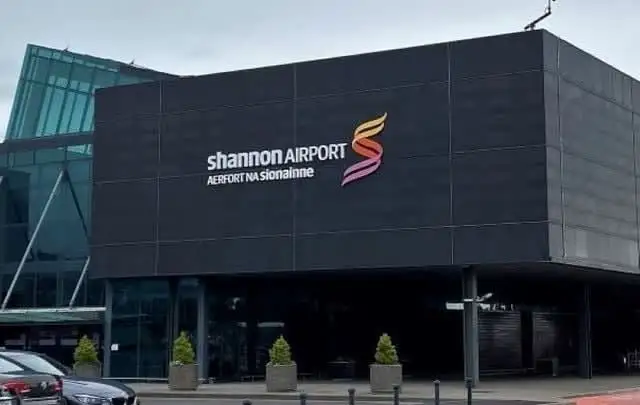
United Airlines flight UA271 returned to Shannon Airport mid-flight due to a maintenance issue, highlighting challenges with its aging Boeing 757 fleet.
Key Takeaways
- •United Airlines flight UA271 returned to Shannon due to a maintenance issue.
- •Incident highlights reliability issues with United's aging 757 fleet.
- •The event is part of a pattern of recent 757 diversions for the airline.
- •United has 50 Airbus A321XLRs on order to replace its Boeing 757s.
A United Airlines flight bound for the United States made a mid-air turnback to its origin airport on Saturday, May 16, 2026, after encountering a technical problem. The incident involved flight UA271, a Boeing 757-200 aircraft, which was forced to abandon its transatlantic journey from Shannon Airport (SNN) to Newark Liberty International Airport (EWR). This United Airlines mid-air turnback prompted a response from emergency crews at Shannon and underscores the ongoing operational challenges related to the carrier's aging Boeing 757 maintenance issues.
The flight departed Shannon as scheduled but declared an issue less than an hour into its journey over the Atlantic. The flight crew made the decision to return to Ireland, where the aircraft landed safely. Passengers were deplaned and the flight was subsequently canceled. The incident highlights the critical safety and maintenance protocols governing transatlantic flights, particularly for older aircraft operating under ETOPS (Extended-range Twin-engine Operational Performance Standards) regulations.
In a statement regarding the cancellation, United Airlines informed passengers, "Your flight is cancelled because we needed to take the plane out of service to address a maintenance issue. Your safety is our priority." The airline provided overnight hotel accommodations for the affected travelers and arranged for a replacement aircraft to complete the journey to Newark the following day.
A Pattern of Incidents
This event is not an isolated case for United's transatlantic 757 operations. It follows a pattern of technical unreliability that has been observed in the fleet. In September 2025, a United 757-200 diverted to Dublin, and another was forced to divert to Shannon just days later during a repositioning flight due to a degraded engine. More recently, in May 2026, United flight UA270, operating the reverse Newark-to-Shannon route, declared an emergency and returned to its origin shortly after takeoff because of a probe heater issue. The recurrence of maintenance-related diversions on the same aircraft type and route pair points to systemic challenges with the fleet.
According to United Airlines' Q1 2026 Fleet Fact Sheet, the carrier operates a fleet of 40 Boeing 757-200 aircraft. The average age of this fleet is between 25 and 28 years, placing it among the older aircraft in mainline service. The increasing frequency of maintenance-related disruptions is a key driver behind the industry trend of retiring aging narrowbody fleets. Airlines are actively phasing out these aircraft in favor of more modern and fuel-efficient alternatives. Further information on aircraft maintenance standards can be found via the FAA Airworthiness Directives Portal.
Stakeholder Impact
The turnback had a direct impact on several groups. For transatlantic passengers, the primary effect was a significant travel disruption, including an unexpected overnight stay in County Clare, Ireland. For United Airlines' operations and maintenance teams, the incident resulted in unplanned costs for passenger accommodations, the logistics of dispatching a replacement aircraft, and performing unscheduled maintenance at an international station. Shannon Airport emergency services also activated their response plans, deploying fire and rescue units to the runway as a standard precaution, which temporarily reallocated airport resources.
Technical Analysis
The repeated technical issues with United's Boeing 757 fleet illustrate a critical inflection point in an aircraft's life cycle, where rising maintenance costs and declining reliability begin to outweigh its operational utility, especially on long over-water routes. Flights like SNN-EWR operate under strict ETOPS rules, which demand a high level of engine and systems reliability to ensure the aircraft can safely reach a diversion airport on a single engine. Each maintenance-related turnback not only incurs direct costs but also erodes confidence and complicates crew scheduling and fleet planning. This situation reinforces the strategic imperative for United to accelerate its fleet modernization program. The transition to the Airbus A321XLR is not merely an upgrade for efficiency but a necessary step to maintain operational integrity on these key transatlantic routes.
Boeing 757-200 vs. Airbus A321XLR: Key Specifications
As United phases out the 757, the Airbus A321XLR is set to become its replacement. The official portal for Boeing Commercial Airplanes provides historical data on the 757 model.
| Metric | Boeing 757-200 | Airbus A321XLR |
|---|---|---|
| Range | 3,915 nm | 4,700 nm |
| Maximum Takeoff Weight | 255,000 lbs | 213,800 lbs |
| Typical Capacity | 200 seats | 150-200 seats |
What Comes Next
The long-term solution to these issues is already in motion. According to the Airbus Orders and Deliveries Database, United Airlines has firm orders for 50 Airbus A321XLR aircraft. The airline has confirmed its plan to begin introducing these new, more efficient single-aisle jets on its transatlantic routes starting in the summer of 2026. This fleet renewal is expected to significantly improve operational reliability and reduce the frequency of maintenance-driven disruptions.
Why This Matters
This incident is a tangible example of the operational pressures facing airlines that operate legacy aircraft fleets. While the Boeing 757-200 has been a reliable workhorse for decades, its age inevitably leads to increased maintenance needs and a higher probability of in-flight issues. For the aviation industry, it reinforces the necessity of continuous fleet modernization to ensure safety, reliability, and efficiency. For passengers, it serves as a reminder of the complex technical operations that underpin international air travel.
Frequently Asked Questions
- Why did United flight UA271 turn back to Shannon Airport?
- United flight UA271, a Boeing 757-200 bound for Newark, turned back to Shannon Airport on May 16, 2026, due to an unspecified technical maintenance issue. The airline canceled the flight as a safety precaution and to address the problem with the aircraft.
- How old is United's Boeing 757 fleet?
- As of early 2026, the average age of United Airlines' fleet of 40 Boeing 757-200 aircraft is between 25 and 28 years old. This incident is part of a pattern of maintenance issues associated with the aging fleet.
- What aircraft is replacing the Boeing 757 for United Airlines?
- United Airlines has 50 Airbus A321XLR (Extra Long Range) aircraft on order to modernize its transatlantic narrowbody fleet and replace its aging Boeing 757-200s. The new aircraft are scheduled to begin entering service in the summer of 2026.
Stay ahead of the airline industry with commercial aviation news from omniflights.com. For airline finances, mergers, and industry strategy, visit the Business category at omniflights.com/business.
Written by Hardik Vishwakarma
Co-Founder & Aviation News Editor leading initiatives that improve trust and visibility across the global aviation industry. Covers airlines, airports, safety, and emerging technology.
Visit ProfileYou Might Also Like
Discover more aviation news based on similar topics
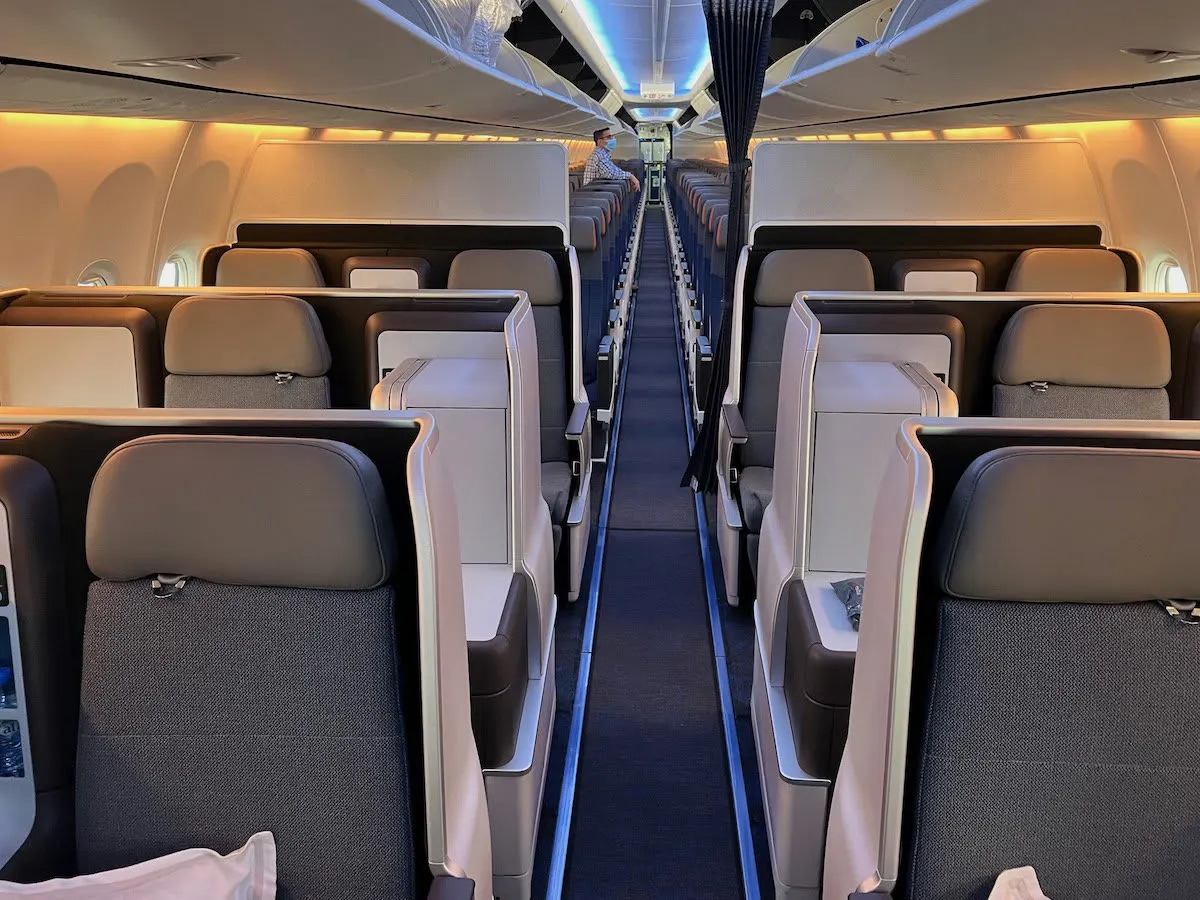
Flydubai Upgrading 21 Boeing 737 MAX 8s to Flat Bed Seats
Flydubai is retrofitting 21 Boeing 737 MAX 8 aircraft with lie-flat business class seats to standardize its premium product by late 2027.
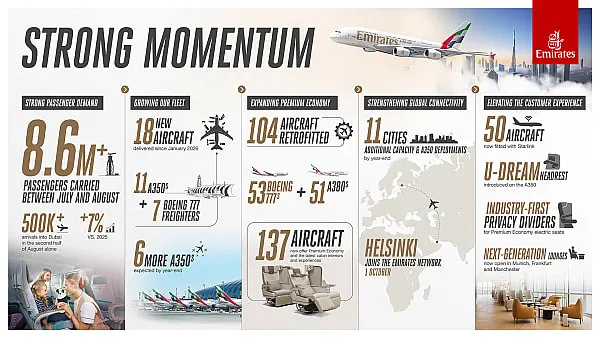
Emirates Winter Booking Momentum Grows Amid Fleet Expansion
Emirates carried 8.6 million passengers this summer and enters winter with strong demand as it accelerates fleet retrofits and network growth.
Air Arabia Consortium Gains AOC for New Dammam Budget Airline
A Saudi GACA-led consortium including Air Arabia has secured an AOC to launch a new budget airline based at Dammam's King Fahd International Airport.
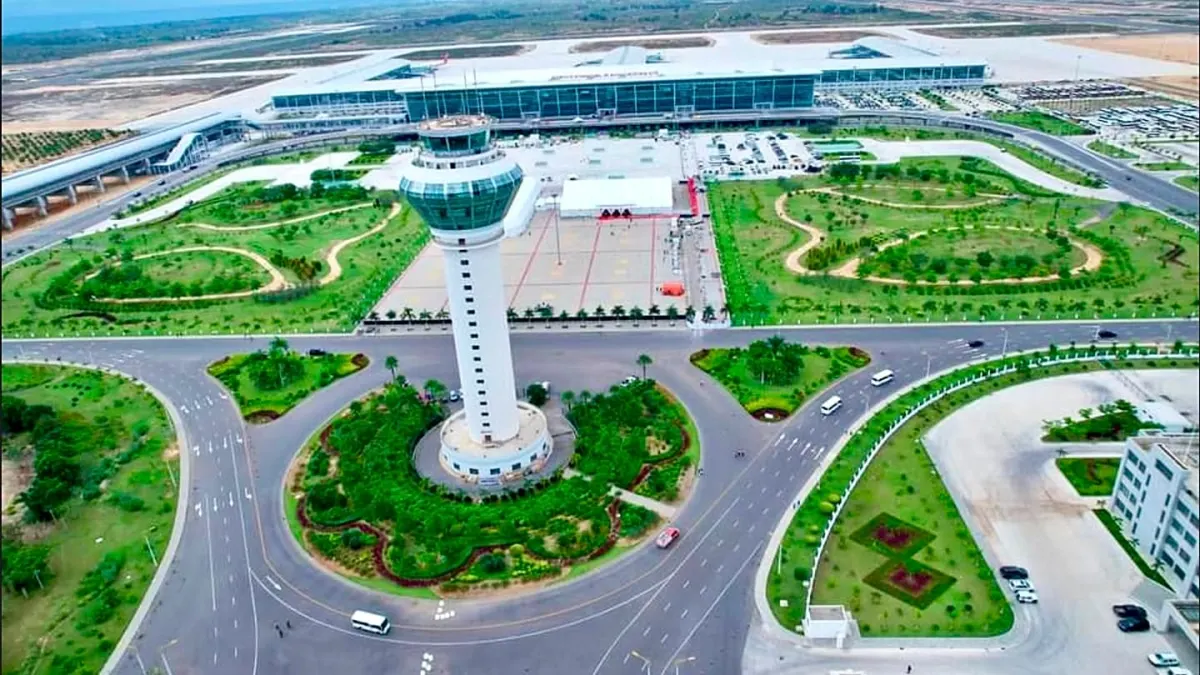
Turkish Airlines Exits Luanda as Angola Hub Struggles
Turkish Airlines dropped its Luanda route as Angola's new airport struggles to attract traffic, handling only 756,028 passengers in 2025.

Red Sea Airlines Leases Two 737 MAX 8s for 2027 Expansion
Red Sea Airlines signed a lease for two Boeing 737 MAX 8 aircraft from SMBC Aviation Capital, arriving in 2027 to support its 14-aircraft fleet goal.
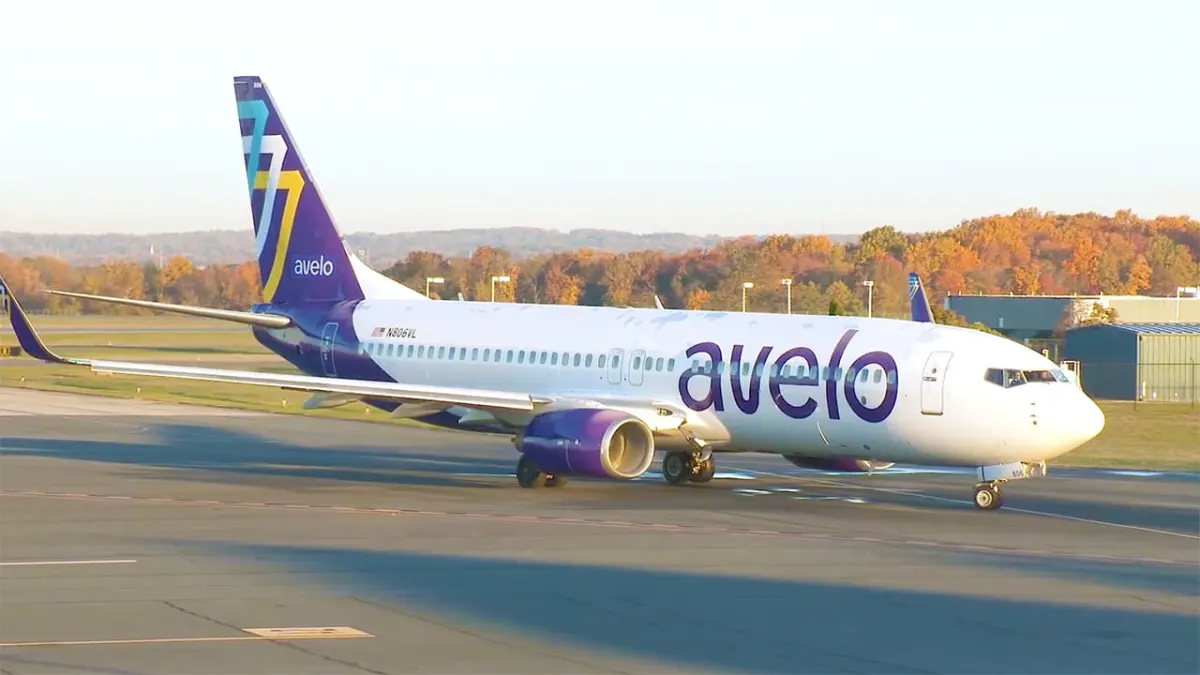
Avelo CEO Warns Airfares May Rise on Jet Fuel Price Spikes
Avelo Airlines CEO Andrew Levy warns that rising fuel costs may force fare increases as global jet fuel prices reach $171.01 per barrel.