Sun PhuQuoc Airways Acquires 8 ex-American A330s

Co-Founder & CEOAviation News Editor delivering trusted coverage across the global aviation industry.
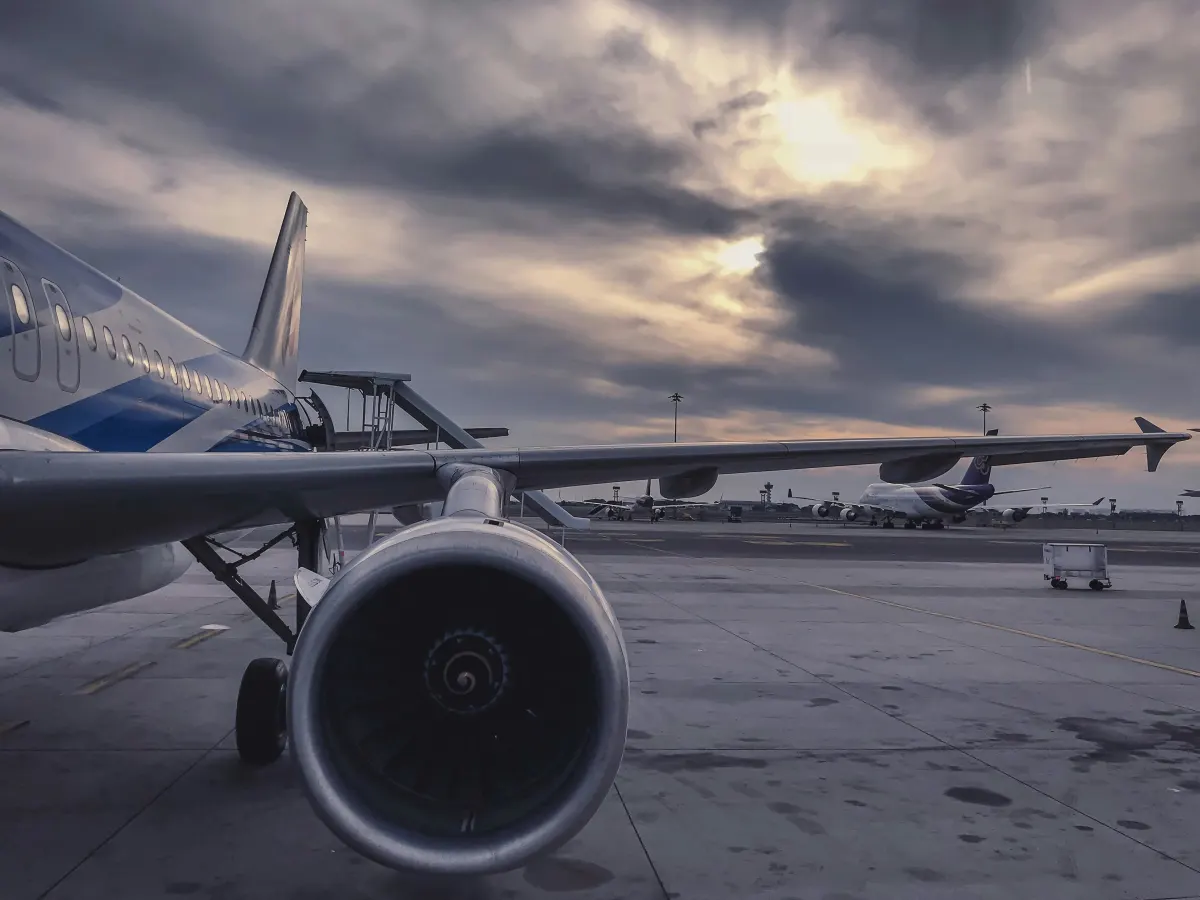
Vietnam's Sun PhuQuoc Airways will acquire 8 former American Airlines A330-200s from desert storage to bridge capacity ahead of its Boeing 787 deliveries.
Key Takeaways
- •Sun PhuQuoc Airways is acquiring 8 ex-American Airlines A330-200s.
- •The aircraft have been in desert storage for 6 years since 2020.
- •Deliveries are scheduled from June 2026 to April 2027.
- •The A330s will bridge a capacity gap before new 787s arrive.
New Vietnamese carrier Sun PhuQuoc Airways is set to acquire eight former American Airlines A330 aircraft, a strategic move that leverages the growing market for reactivated widebody jets. The Airbus A330-200 aircraft will be brought out of long-term desert storage at Roswell aircraft storage in New Mexico to launch the airline's initial long-haul network. Deliveries are scheduled to begin in June 2026.
The acquisition provides Sun PhuQuoc Airways, which launched in late 2025, with immediate widebody capacity. This move allows the carrier to accelerate its international expansion plans while awaiting deliveries from its recent $22.5 billion order for up to 40 Boeing 787-9 Dreamliners. The A330-200s serve as a critical bridge, enabling market entry years ahead of schedule in a climate of persistent new aircraft delivery delays from major manufacturers.
According to fleet tracking data, the eight aircraft are approximately 12 to 13 years old, having been originally delivered to US Airways between 2013 and 2014. They became part of the American Airlines fleet following the merger of the two carriers. In 2020, amidst the severe downturn in air travel caused by the COVID-19 pandemic, American Airlines made the decision to retire its entire fleet of 24 A330s. These eight aircraft have since been kept in preservation at the Roswell International Air Center (ROW), a facility known for storing retired or inactive airliners.
Regulatory Hurdles and Return to Service
Reactivating aircraft after six years of deep storage is a complex and highly regulated process. Before the A330s can be transferred to the Vietnamese registry, they must secure an Export Certificate of Airworthiness from the U.S. FAA (Federal Aviation Administration). Subsequently, Sun PhuQuoc Airways must work with the CAAV (Civil Aviation Authority of Vietnam) to have the A330-200 formally added to its Air Operator's Certificate, a critical step for commencing commercial flights.
The most intensive phase of the process is the physical RTS (Return to Service) work. This involves extensive MRO (Maintenance, Repair, and Overhaul) activities to ensure the airframes and engines are fully airworthy. After prolonged inactivity, the aircraft will require mandatory inspections for issues such as corrosion, degradation of seals, and fluid contamination. All systems, from avionics to landing gear, will undergo rigorous testing. The process is governed by strict FAA Airworthiness Directives that mandate specific checks and component replacements before an aircraft can safely carry passengers again. This work is expected to generate significant contracts for MRO providers at the Roswell facility.
Industry Context and Precedents
Sun PhuQuoc's strategy aligns with several powerful industry trends. The revival of parked widebodies has become a common solution for airlines facing capacity shortfalls. Persistent supply chain issues and certification delays at both Boeing and Airbus have created a backlog for new aircraft, forcing carriers to find alternative fleet solutions. This has created a robust secondary market for reliable, mid-life aircraft like the Airbus A330.
This approach is not without precedent. Between 2022 and 2024, Qatar Airways leased older widebodies from other carriers to mitigate capacity shortages caused by A350 groundings and Boeing 777X delays. Similarly, in 2021, Delta Air Lines opportunistically acquired used A350s that LATAM had rejected during its bankruptcy proceedings. For new entrants, the model is even more compelling. Global Crossing Airlines (GlobalX) successfully launched its charter operations in 2021 by utilizing cheaper, second-hand A320s, minimizing initial capital expenditure. Sun PhuQuoc's move follows this pattern, using depreciated assets to accelerate its entry into the competitive Southeast Asian long-haul market.
A330-200 vs. 787-9: Key Specifications
| Metric | Airbus A330-200 | Boeing 787-9 |
|---|---|---|
| Range | 7,250 nmi | 7,565 nmi |
| Typical Seating (2-class) | 246 pax | 296 pax |
| Engine Options | CF6/PW4000/Trent 700 | GEnx-1B/Trent 1000 |
Technical Analysis
The acquisition of mid-life A330-200s by Sun PhuQuoc Airways is a pragmatic and increasingly common strategy for new airlines navigating a complex post-pandemic aviation landscape. The decision reflects a calculated trade-off between capital efficiency and operational performance. While the A330-200 has higher fuel burn compared to the new-generation Boeing 787, its immediate availability and lower acquisition cost allow the airline to establish routes and generate revenue years earlier than planned. This move effectively de-risks the airline's ambitious long-haul strategy, which is ultimately anchored by its large Boeing 787 order. The success of this interim fleet will be crucial in building the operational experience and market presence necessary to support the seamless introduction of the Dreamliners later this decade. For American Airlines, the sale finalizes a pandemic-era fleet decision that some analysts have criticized as short-sighted, given the carrier's subsequent widebody capacity constraints.
What Comes Next
Sun PhuQuoc Airways is moving on an accelerated timeline to integrate the A330s into its fleet. The first aircraft is expected to be delivered from Roswell in June 2026, following the completion of its RTS maintenance checks. Based on this schedule, the carrier is expected to launch its first international long-haul operations in the third quarter of 2026, subject to final CAAV approvals. The remaining seven aircraft are scheduled for delivery in stages, with the final airframe expected to join the fleet by April 2027. This phased introduction will allow the airline to gradually scale its network as more aircraft become available.
Why This Matters
This development highlights a critical shift in fleet strategy, where second-hand, mid-life aircraft are no longer just for budget carriers but are essential tools for growth even for well-capitalized new entrants. For the Vietnamese aviation market, it signals the arrival of a serious new competitor in the long-haul space, challenging established players like Vietnam Airlines and VietJet. For the broader industry, it underscores the ongoing impact of OEM production delays and the enduring value of reliable, older widebody platforms in bridging capacity gaps.
Frequently Asked Questions
- Why is Sun PhuQuoc Airways buying old Airbus A330s?
- Sun PhuQuoc Airways is acquiring eight used Airbus A330-200s as an interim solution to launch long-haul flights quickly. This strategy bridges a capacity gap while the airline awaits delivery of its new order for up to 40 Boeing 787 Dreamliners, bypassing current manufacturing delays.
- Where have the American Airlines A330s been stored?
- The eight Airbus A330-200s have been in long-term desert storage at the Roswell International Air Center (ROW) in New Mexico since American Airlines retired them in 2020 during the COVID-19 pandemic.
- What is the return-to-service process for stored aircraft?
- The return-to-service process involves extensive Maintenance, Repair, and Overhaul (MRO). This includes mandatory inspections for issues like corrosion, engine preservation checks, and compliance with all current airworthiness directives from regulators like the FAA before the aircraft can be certified to fly again.
For global airline trends and commercial aviation news, turn to omniflights.com. Stay informed on aviation incidents, investigations, and best practices in the Safety category at omniflights.com/safety.
Written by Hardik Vishwakarma
Co-Founder & Aviation News Editor leading initiatives that improve trust and visibility across the global aviation industry. Covers airlines, airports, safety, and emerging technology.
Visit ProfileYou Might Also Like
Discover more aviation news based on similar topics
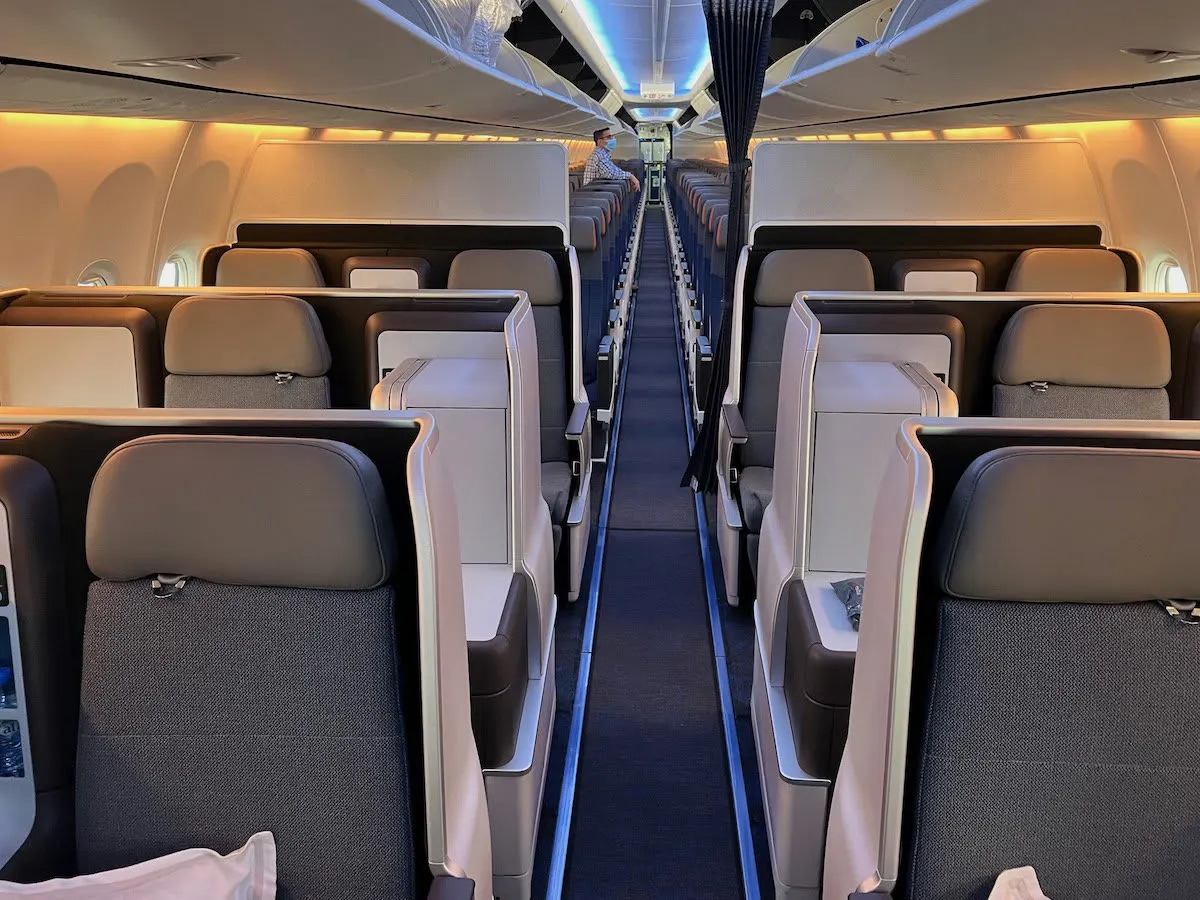
Flydubai Upgrading 21 Boeing 737 MAX 8s to Flat Bed Seats
Flydubai is retrofitting 21 Boeing 737 MAX 8 aircraft with lie-flat business class seats to standardize its premium product by late 2027.
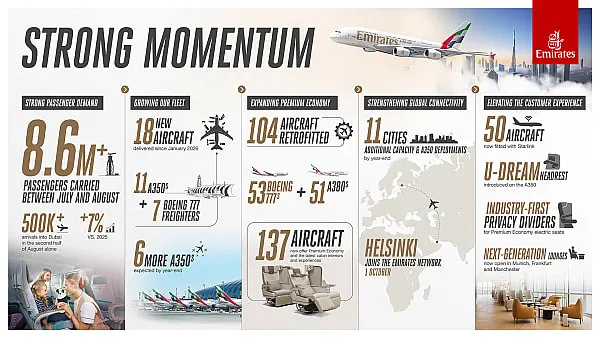
Emirates Winter Booking Momentum Grows Amid Fleet Expansion
Emirates carried 8.6 million passengers this summer and enters winter with strong demand as it accelerates fleet retrofits and network growth.
Air Arabia Consortium Gains AOC for New Dammam Budget Airline
A Saudi GACA-led consortium including Air Arabia has secured an AOC to launch a new budget airline based at Dammam's King Fahd International Airport.
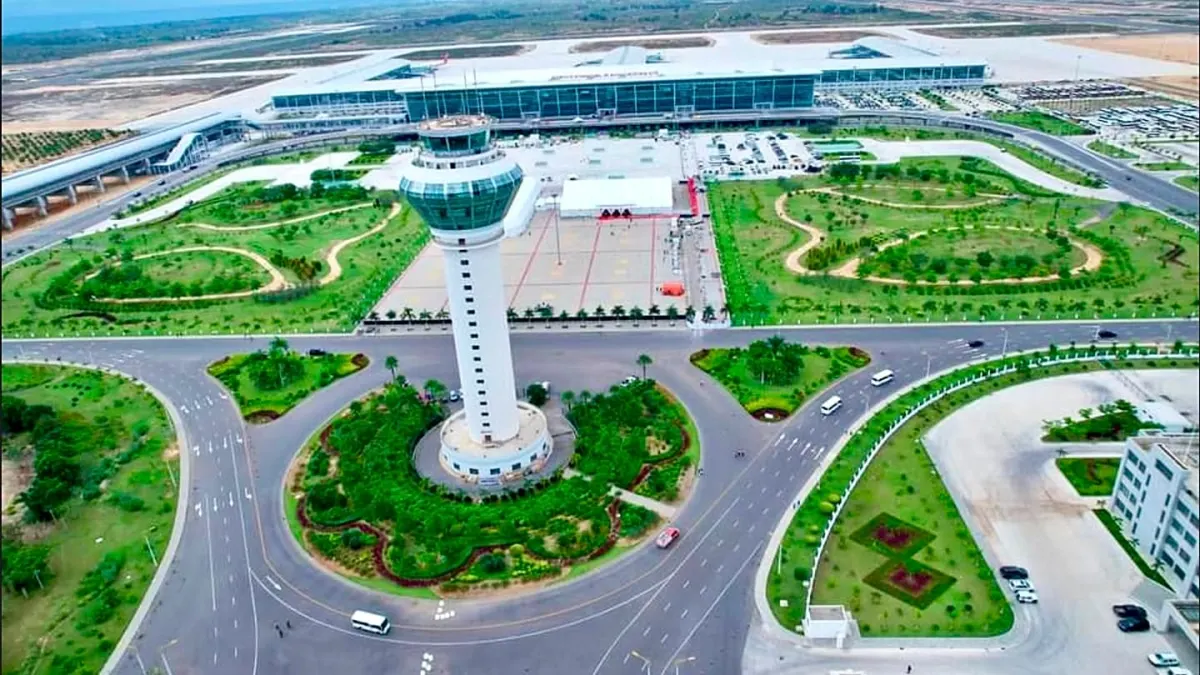
Turkish Airlines Exits Luanda as Angola Hub Struggles
Turkish Airlines dropped its Luanda route as Angola's new airport struggles to attract traffic, handling only 756,028 passengers in 2025.
Red Sea Airlines Leases Two 737 MAX 8s for 2027 Expansion
Red Sea Airlines signed a lease for two Boeing 737 MAX 8 aircraft from SMBC Aviation Capital, arriving in 2027 to support its 14-aircraft fleet goal.
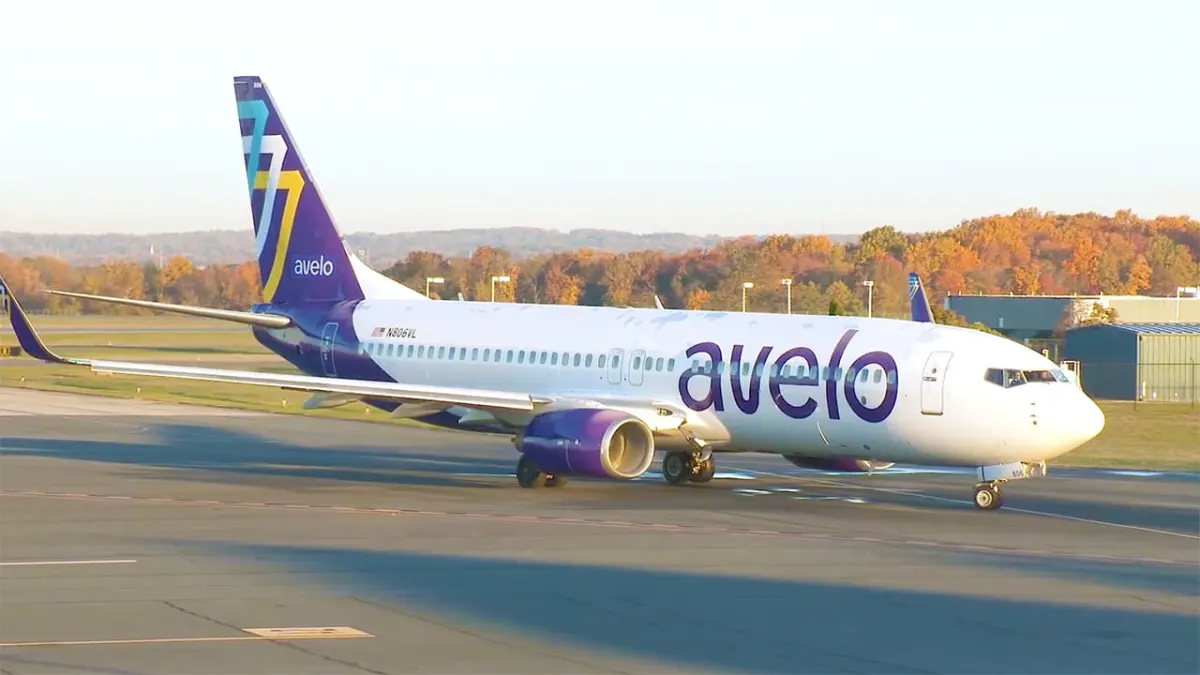
Avelo CEO Warns Airfares May Rise on Jet Fuel Price Spikes
Avelo Airlines CEO Andrew Levy warns that rising fuel costs may force fare increases as global jet fuel prices reach $171.01 per barrel.