India MRO Market to Reach $5.7 Billion by 2030 on Fleet, Infra Growth

Co-Founder & CEOAviation News Editor delivering trusted coverage across the global aviation industry.
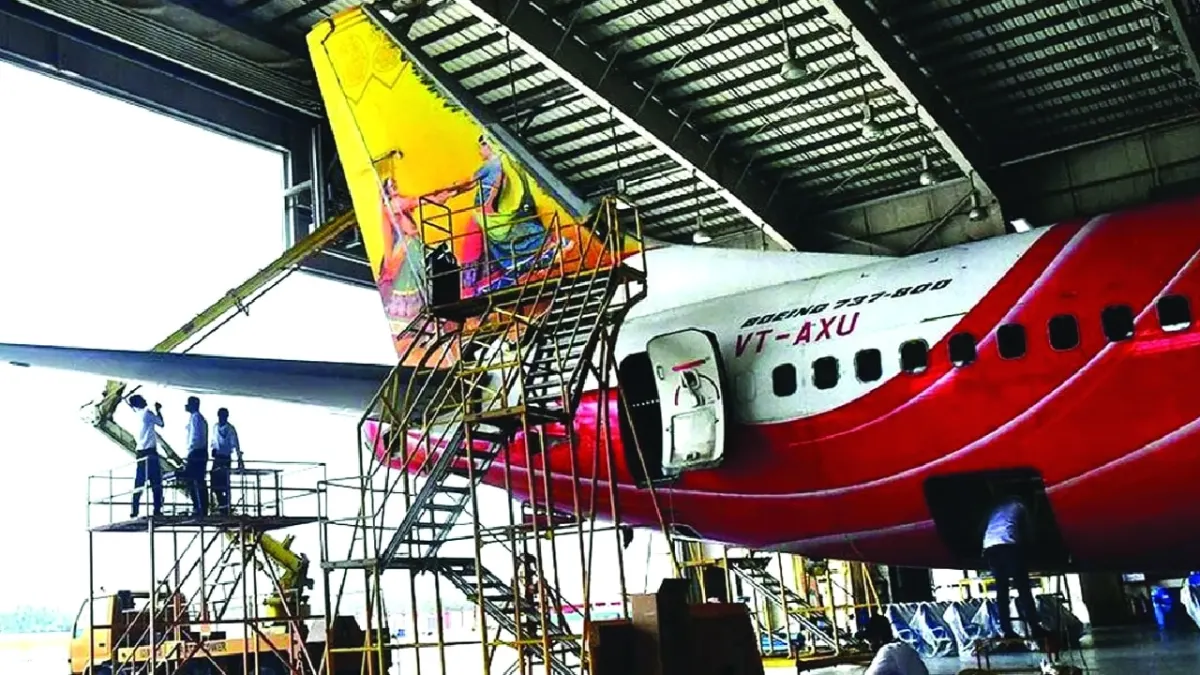
India's MRO market is projected to reach $5.7 billion by 2030, driven by massive fleet expansion, new airport construction, and supportive government policies.
Key Takeaways
- •Forecasts India's MRO market to grow from $4.4 billion in 2025 to $5.7 billion by 2030.
- •Projects India's commercial fleet to exceed 1,800 aircraft by 2030, with narrow-bodies doubling to over 1,300.
- •Highlights major investments including Safran's €200 million LEAP engine facility and Adani's Embraer assembly MoU.
- •Cites policy reforms like the Cape Town Convention Act and reduced GST as key enablers for foreign investment.
A new report from Alton Aviation Consultancy forecasts that India's aircraft Maintenance, Repair and Overhaul (MRO) market will grow to $5.7 billion by 2030, up from an estimated $4.4 billion in 2025. This represents a compound annual growth rate of 5.4%, fueled by a convergence of rapid fleet expansion, large-scale infrastructure development, and enabling government policies.
The projection is underpinned by the dramatic growth of India's commercial aircraft fleet, which Alton Aviation Consultancy expects to exceed 1,800 aircraft by 2030. A significant portion of this growth comes from narrow-body aircraft, which are projected to nearly double from over 700 today to more than 1,300 by the end of the decade. Indian carriers have already placed firm orders for more than 500 new aircraft for delivery over the next five years.
Core Drivers: Fleet and Infrastructure Expansion
To support this unprecedented growth in air traffic, the Indian government has initiated a massive infrastructure build-out. According to the Ministry of Civil Aviation, the government is committed to building over 100 additional airports in the next six years, increasing the national total to more than 200 by 2030. This includes several large-scale greenfield projects.
Key among these are the Navi Mumbai International Airport, which is set to begin operations with an initial capacity of 20 million passengers annually, and the Noida International Airport, with an initial capacity of 12 million passengers. Further capacity will be added with the completion of Dholera International Airport, a planned investment of over $250 million, and Bhogapuram International Airport, with a planned investment exceeding $550 million.
Directors Alan Lim and Joshua Ng of Alton Aviation Consultancy noted that this expansion is stimulated by a rapidly growing middle class, increased penetration by low-cost carriers, and improving regional connectivity.
Policy and Investment Fueling Growth
A proactive policy environment is lowering barriers to entry for global aerospace firms. Key legislative changes include the ratification of the Cape Town Convention Act in 2025, which provides stronger legal protections for aircraft lessors and financiers, thereby lowering leasing costs. Additionally, liberalized foreign direct investment rules and reductions in the Goods and Services Tax (GST) and customs duties on aviation components have made the Indian market more attractive.
This has spurred a wave of high-profile investments. Safran inaugurated a €200 million facility in Hyderabad dedicated to its Leading Edge Aviation Propulsion (LEAP) engines, a move that significantly boosts India's domestic capability for next-generation engine overhauls. The facility aims to service 300 LEAP engines annually. Other major investments include:
- Adani Group's acquisition of Air Works and AAR-Indamer Technics, consolidating its position in the MRO sector. The group also signed a Memorandum of Understanding (MoU) with Embraer in February 2026 to explore establishing a Final Assembly Line (FAL) for the E175 regional jet.
- IndiGo's partnership with Bengaluru International Airport to develop a dedicated MRO facility for its fleet.
- Thales' opening of a new avionics MRO facility to expand domestic repair capabilities for high-value components.
These investments are often anchored in aerospace-focused Special Economic Zones (SEZ), such as Hyderabad’s Adibatla SEZ, which are designed to create integrated aviation ecosystems.
Stakeholder and Market Impact
The development of a robust domestic MRO industry has significant implications for key stakeholders. For Indian airlines like IndiGo and Air India, it promises reduced maintenance turnaround times and a significant reduction in foreign exchange spending, as a large portion of their fleet is currently serviced in hubs like Singapore and the Middle East. For aircraft lessors, the Cape Town Convention Act enhances asset security, making India a more favorable market. Conversely, established MRO providers in Southeast Asia and the Middle East may face increased competition and a potential loss of market share from Indian carriers.
Technical Analysis
The convergence of fleet orders, infrastructure investment, and policy reform indicates a strategic pivot for India's aviation sector. The country is transitioning from being primarily a consumer of aerospace services to developing a self-sustaining, integrated industrial base. This strategy mirrors historical precedents, such as China's use of its large domestic market to secure an Airbus Final Assembly Line in Tianjin in 2008, which subsequently catalyzed a vast local supply chain. India's pursuit of an Embraer FAL via the Adani Group MoU suggests a similar ambition. The ratification of the Cape Town Convention is a foundational step, aligning India with global standards and de-risking investment for lessors, which is critical to sustaining the projected fleet growth. According to experts Lim and Ng, the focus must now shift to execution—developing deeper pools of skilled maintenance personnel and ensuring efficient parts logistics to support these new capabilities.
What Comes Next
Several key infrastructure milestones are expected to be met in the near term, further expanding India's aviation capacity. According to their respective authorities:
- Noida International Airport is expected to commence Phase 1 commercial operations in March 2026.
- Bhogapuram International Airport is expected to launch commercially in June 2026.
- Dholera International Airport is expected to complete its construction phase by December 2026.
Why This Matters
This rapid expansion signals that India's MRO sector is evolving from a peripheral service into a core enabler of the nation's economic growth. By localizing high-value maintenance and potentially manufacturing, India aims to capture a larger share of the aerospace value chain, reduce its reliance on foreign service providers, and create thousands of high-skill technical jobs. The success of this initiative is critical to supporting the operational demands of one of the world's fastest-growing air transport markets.
omniflights.com provides comprehensive commercial aviation news covering airlines, aircraft, and airports. Get the latest updates on major hubs, regional terminals, and airport operations via the Airports section at omniflights.com/airports.
Written by Hardik Vishwakarma
Co-Founder & Aviation News Editor leading initiatives that improve trust and visibility across the global aviation industry. Covers airlines, airports, safety, and emerging technology.
Visit ProfileYou Might Also Like
Discover more aviation news based on similar topics
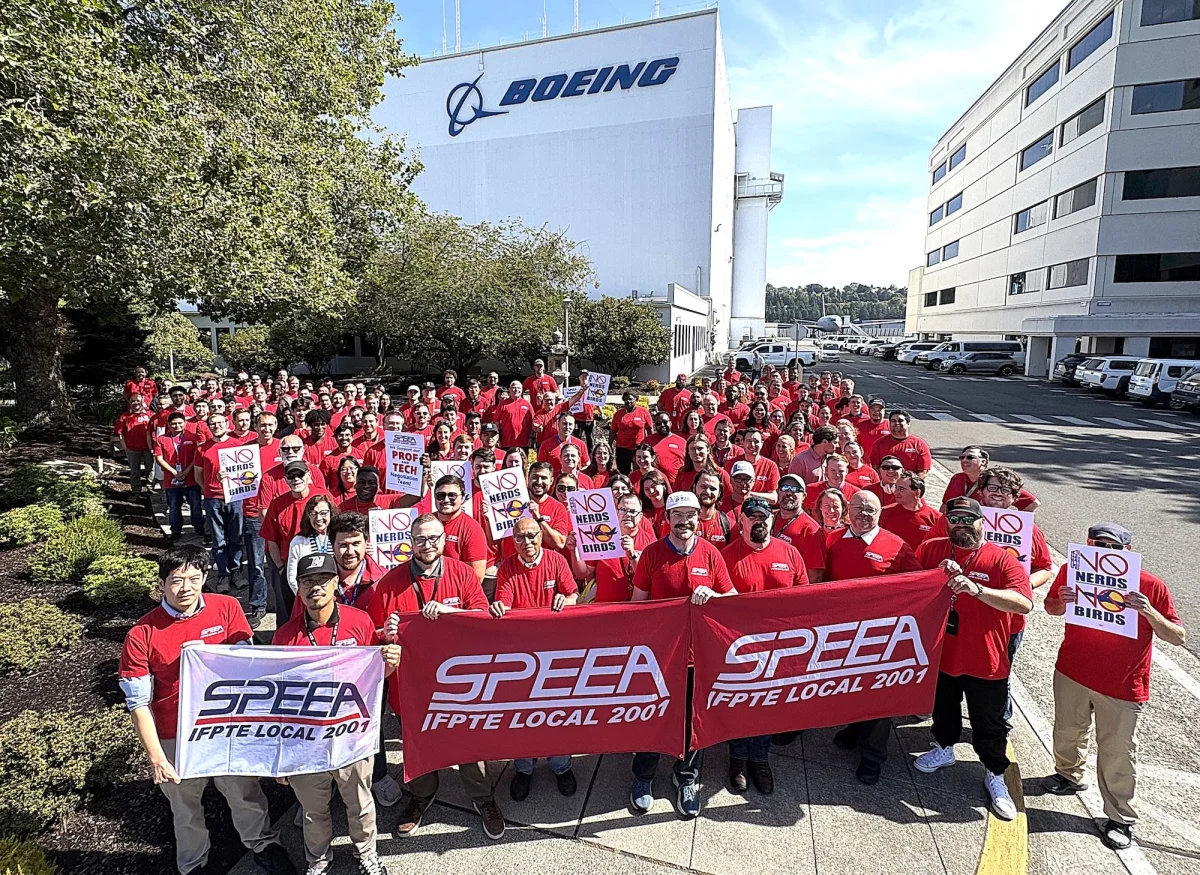
Boeing Tightens Spending Ahead of Critical SPEEA Union Vote
Boeing has implemented spending controls and a hiring freeze as it faces a critical contract ratification vote with its 17,000-member engineering union.

Boeing CEO Kelly Ortberg Warns of 777X Certification Delay
Boeing CEO Kelly Ortberg warned that a potential strike by 17,000 engineers would immediately halt the 777X certification and production programs.
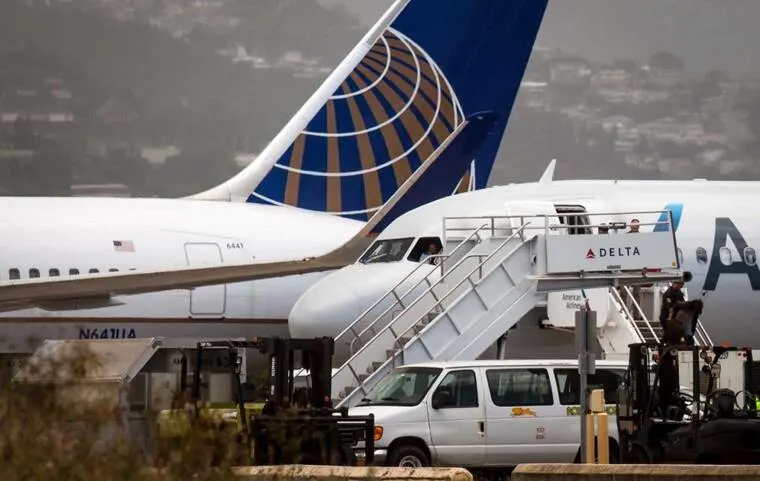
American and United Plan Capacity Cuts Amid Fuel Cost Surge
American and United are trimming flight schedules to offset a $1 billion fuel cost spike while maintaining strong pricing power.
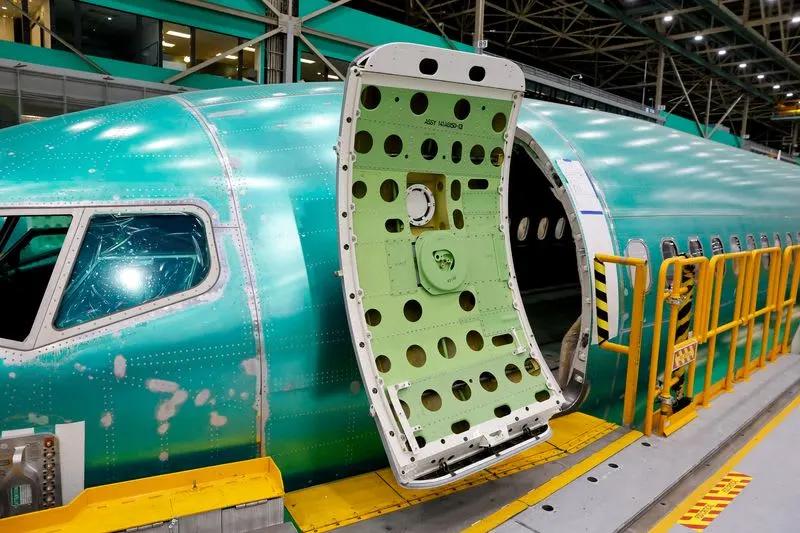
Boeing CEO Reports 737 MAX Output Stabilization Delays
Boeing CEO Kelly Ortberg reports slower 737 MAX production stabilization, prompting a downward revision in 2026 free cash flow expectations to $2 billion.
Boeing Finalizes KAL Order, Salvages Turkish Airlines Deal
Boeing secured a $36.2 billion order from Korean Air Lines for 103 aircraft and nears a resolution on a 150-jet deal with Turkish Airlines.
Airbus Forecasts 42,000 New Jets Amid Strong Global Demand
Airbus expects 42,000 new aircraft deliveries globally by 2045, with 45% of demand concentrated in the Asia-Pacific region.