Iberia Boosts Brazil Winter Capacity by 18% with New Routes

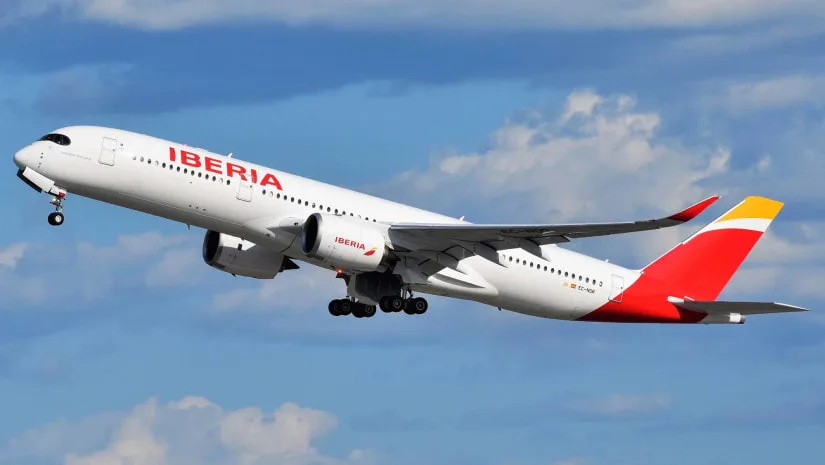
Iberia is increasing its winter season seat capacity to Brazil by 18%, adding new routes and boosting frequencies to strengthen its Madrid hub.
Key Takeaways
- •Increases winter seat capacity to Brazil by 18%, totaling 322,000 seats.
- •Boosts São Paulo service to 14 weekly flights and adjusts Rio to 5 weekly.
- •Expands network with new direct routes to Recife and Fortaleza.
- •Deploys modern Airbus A350 and A330 aircraft to enhance efficiency.
Spanish carrier Iberia has announced a significant expansion in the Brazilian market for the upcoming winter season, increasing its total seat capacity by 18%. The move, which will introduce a total of 322,000 seats between Madrid and Brazil from late October to March, is a direct response to growing demand for travel to Latin America and part of a broader strategy to solidify Madrid's position as a key transatlantic hub.
The capacity growth is supported by increased flight frequencies to major cities and the introduction of new routes. Service to São Paulo will increase to 14 flights per week, while Rio de Janeiro will be served with 5 weekly flights. A substantial portion of the 18% increase is driven by new direct services to secondary gateways, including Recife and Fortaleza, reflecting an industry trend of leveraging modern aircraft to bypass traditional hubs.
This expansion is a core component of the strategy by Iberia's parent company, International Airlines Group (IAG), to dominate the Europe-to-Latin America travel corridor. The airline primarily deploys its modern, fuel-efficient wide-body fleet on these routes, including the Airbus A350 and Airbus A330 aircraft.
Strategic Context and Competition
Iberia's push into Brazil intensifies its competition with other European carriers, particularly TAP Air Portugal, which has historically dominated the market. In the summer of 2024, TAP expanded its own services to 96 weekly flights across 11 Brazilian cities, establishing a formidable network. Iberia's move signals a direct challenge to this dominance by strengthening the network from its hub at Adolfo Suárez Madrid–Barajas Airport (MAD).
The current expansion builds on Iberia's successful post-pandemic recovery in Latin America. Throughout 2023 and 2024, the airline restored and surpassed pre-pandemic capacity, operating over 300 weekly flights to the region. This sustained focus underscores the strategic importance of Latin America for IAG.
Operations are governed by the bilateral air services agreement between Spain and Brazil, which dictates route and capacity limits. All transatlantic flights are also conducted under the European Union Aviation Safety Agency (EASA) Part-ORO regulations, which cover operational and safety protocols.
Fleet and Operational Efficiency
The airline's ability to expand into secondary Brazilian cities is enabled by the efficiency of its next-generation fleet. The deployment of the Airbus A350 and A330 is central to this strategy, as these aircraft offer up to 25% lower fuel burn per seat compared to the older jets they replace. This enhances economic viability on long-haul routes and improves the passenger experience with modern cabin products in premium and economy classes. Below is a comparison of the primary aircraft types used on these routes.
Airbus A350-900 vs. Airbus A330-300: Key Specifications
| Metric | A350-900 | A330-300 |
|---|---|---|
| Range | 8,300 nm | 6,350 nm |
| Capacity (3-class) | 300-350 seats | ~277 seats |
Stakeholder and Industry Impact
The capacity increase will have a cascading effect on several stakeholders. For Iberia and IAG, it represents an opportunity for significant revenue growth and increased market share in a highly profitable corridor. The move will directly impact TAP Air Portugal, which now faces heightened competition that could pressure yields on its core connecting routes. For Madrid Barajas Airport, the expansion means higher transit passenger volumes, boosting its role as a premier European hub for South American travel.
From the perspective of the Brazilian tourism sector, the additional capacity provides a welcome influx of European tourists and business travelers, supporting the local economy. However, environmental groups have raised concerns, arguing that expanding long-haul air travel contradicts the aviation industry's stated goals for achieving net-zero emissions.
What Comes Next
The new flight schedules and increased capacity are set to take effect with the start of the IATA Winter 2026/2027 season. According to IATA scheduling, this will begin in late October 2026. Travelers can expect to see the new frequencies and routes reflected in booking systems as the date approaches.
Why This Matters
This strategic capacity increase by Iberia is more than a simple schedule update; it is a calculated move to capture a larger share of the lucrative Europe-to-Brazil market. It reinforces Madrid's competitive position against other European hubs and demonstrates a wider industry trend of using next-generation, efficient aircraft to open new long-haul point-to-point routes. For passengers and businesses, this expansion translates into greater travel options, enhanced connectivity, and potentially more competitive airfares on transatlantic journeys.
Frequently Asked Questions
- How much is Iberia increasing its flight capacity to Brazil?
- For the upcoming winter season, Iberia is increasing its total seat capacity between Madrid and Brazil by 18%, offering a total of 322,000 seats from late October to March.
- Which Brazilian cities will Iberia serve with its expanded winter schedule?
- The expansion includes increased frequencies to major hubs like São Paulo (14 weekly flights) and Rio de Janeiro (5 weekly), and is also driven by new direct routes to secondary gateways such as Recife and Fortaleza.
From airline operations to fleet updates, commercial aviation news lives at omniflights.com. Get the latest updates on major hubs, regional terminals, and airport operations via the Airports section at omniflights.com/airports.

Written by Hardik Vishwakarma
Co-Founder & Aviation News Editor leading initiatives that improve trust and visibility across the global aviation industry. Covers airlines, airports, safety, and emerging technology.
Visit ProfileYou Might Also Like

Lufthansa A350-1000 to Debut on Munich-Haneda Route
Cathay Pacific Weighs Widebody Fleet Expansion Plans

American Airlines Drops 3 Routes Amid Network Optimization
JAL Orders 16 Embraer E190-E2 Jets for Regional Fleet
Volaris-Viva Merger Expected to Gain CNA Approval