SWAPA's $100M 737 MAX Lawsuit Against Boeing Proceeds

Co-Founder & CEOAviation News Editor delivering trusted coverage across the global aviation industry.
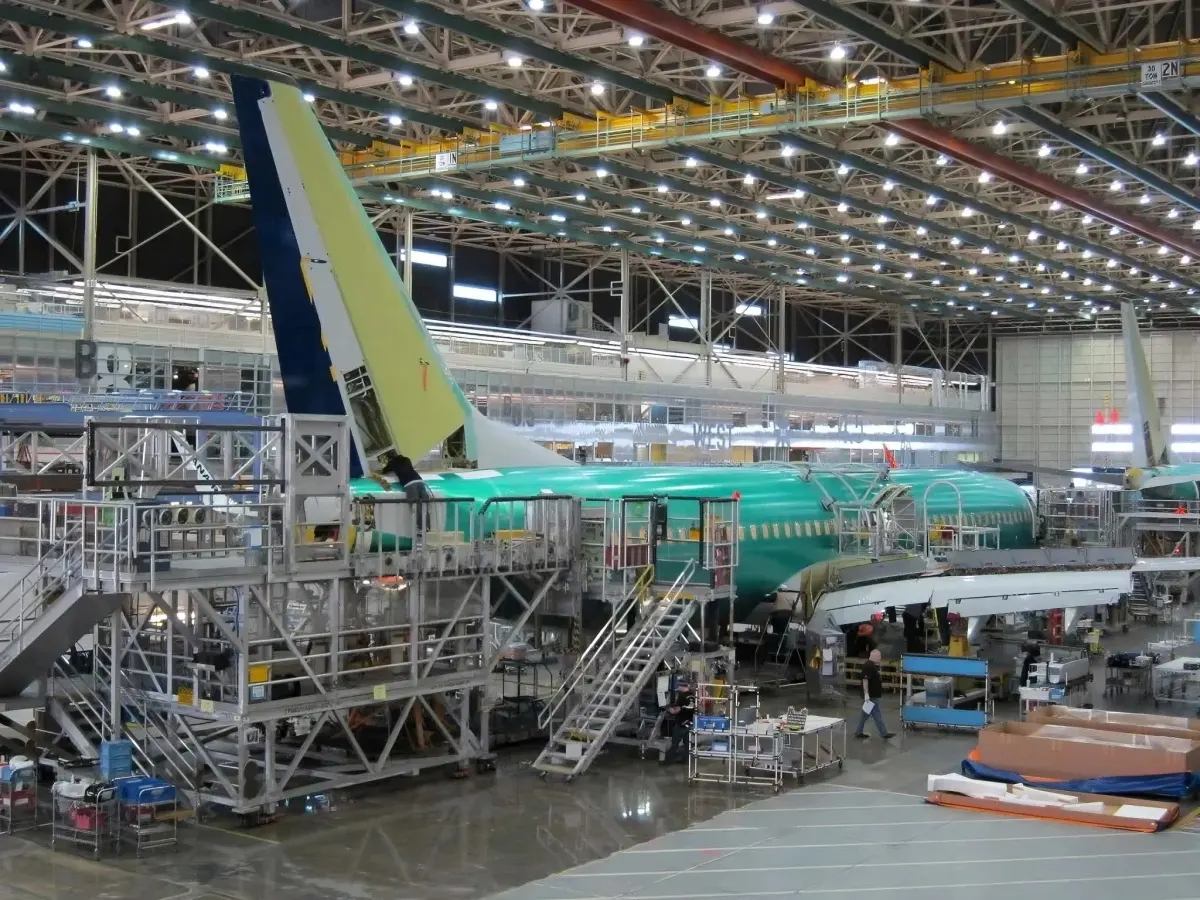
The Southwest Airlines Pilots Association's $100M lawsuit against Boeing for lost wages during the 20-month 737 MAX grounding will proceed in Texas.
Key Takeaways
- •Proceeds with $100M+ lawsuit against Boeing for lost wages after a Texas Supreme Court ruling.
- •Cites over 30,000 canceled flights during the 20-month Boeing 737 MAX grounding.
- •Successfully overcame Boeing's legal defense based on the Railway Labor Act (RLA).
- •Contrasts sharply with the dismissal of a passenger lawsuit for lack of concrete harm.
A Texas Supreme Court ruling has allowed the Southwest Airlines Pilots Association (SWAPA) lawsuit against Boeing to proceed, marking a significant development in the legal fallout from the Boeing 737 MAX grounding. The pilots' union is seeking over $100 million in compensation for lost wages, alleging the manufacturer misrepresented the aircraft's safety. This outcome stands in sharp contrast to a separate passenger class-action lawsuit, Monahan v. Southwest Airlines, which was dismissed due to the plaintiffs' inability to prove concrete harm.
The core of SWAPA's legal action centers on claims of fraudulent misrepresentation. The union argues that Boeing deliberately concealed critical information about the Maneuvering Characteristics Augmentation System (MCAS), the flight control software implicated in two fatal crashes that killed 346 people. SWAPA contends that had its pilots known the truth about MCAS, they would not have agreed to include the 737 MAX in their Collective Bargaining Agreement (CBA) under the existing terms. The subsequent global grounding, which lasted for 20 months from March 2019 to November 2020, resulted in the cancellation of more than 30,000 scheduled Southwest flights and significant financial losses for its pilots.
Pilot Lawsuit Alleges Deception
According to an official press release from SWAPA, the lawsuit filed in October 2019 sought to recover financial damages exceeding $100 million. At the time of the grounding, Southwest Airlines had 34 Boeing 737 MAX jets in its fleet. The grounding directive, issued by the FAA (Federal Aviation Administration), immediately removed these aircraft from service, directly impacting pilot schedules and compensation.
"As pilots, there is nothing more important to us than the safety of our passengers," said Captain Jonathan L. Weaks, President of SWAPA, in a statement. "We have to be able to trust Boeing to truthfully disclose the information we need to safely operate our aircraft. In the case of the 737 MAX, that absolutely did not happen."
Boeing attempted to have the lawsuit dismissed, arguing that the pilots' claims were a labor dispute that should be governed by the federal Railway Labor Act (RLA). However, in June 2025, the Texas Supreme Court rejected this preemption defense, clearing the way for the case to be heard in a Texas state court.
A Contrasting Outcome for Passengers
The legal victory for the pilots' union is a stark contrast to the fate of a passenger-led class-action lawsuit. In the case of Monahan v. Southwest Airlines, passengers sued the airline over fears of flying the 737 MAX. However, the 5th Circuit Court of Appeals dismissed the case, affirming that the plaintiffs lacked legal standing.
Judge Andrew S. Oldham, writing for the court, stated, "In sum, plaintiffs have not plausibly alleged any concrete injury. They concededly have suffered no physical harm. They have offered no plausible theory of economic harm." This ruling underscores a key legal principle: without demonstrable physical or financial injury, claims based on fear or potential risk are difficult to sustain in federal court. The dismissal also aligns with the broad preemptive scope of the Airline Deregulation Act, which limits state-level claims regarding airline services.
Technical Analysis
The divergent outcomes of the SWAPA and Monahan lawsuits highlight a critical split in legal accountability for aircraft manufacturers. The SWAPA case establishes a precedent that a manufacturer's alleged misrepresentations can create direct liability to an airline's labor force if it results in quantifiable financial harm, such as lost wages. This opens a new avenue for recourse that bypasses the airline employer. Historically, such disputes were often contained within airline-OEM compensation agreements, as seen when Norwegian Air Shuttle sought restitution from Boeing. The SWAPA lawsuit demonstrates that pilot unions can pursue claims independently.
Conversely, the dismissal of the passenger suit reinforces the high bar for consumer class actions. The ruling indicates that emotional distress or perceived risk, without a corresponding canceled flight or monetary loss, does not constitute the "concrete injury" required for legal standing. This insulates airlines and manufacturers from speculative lawsuits but focuses liability on parties who suffer direct operational and economic consequences from equipment failures or groundings.
What Comes Next
With the Texas Supreme Court's decision allowing the case to move forward, the SWAPA v. Boeing lawsuit is expected to proceed to trial court proceedings in Dallas County. According to court filings, these proceedings are anticipated to begin in late 2025 or 2026, though a firm date has not been confirmed. The trial will focus on the evidence of Boeing's alleged misrepresentations and the calculation of financial damages incurred by the pilots.
Why This Matters
This legal development is significant because it affirms that an aircraft manufacturer can be held directly accountable by a pilot union for lost compensation stemming from a prolonged fleet grounding. The ruling strengthens the position of aviation labor groups in disputes over aircraft safety and operational integrity, potentially reshaping how liability is distributed after major service disruptions. It establishes that the financial impact on flight crews is a distinct and litigable harm separate from the damages sought by airlines or passengers.
Frequently Asked Questions
- Why did the Southwest pilots' union sue Boeing over the 737 MAX?
- The Southwest Airlines Pilots Association (SWAPA) sued Boeing for over $100 million in lost wages. They claim Boeing misrepresented the 737 MAX's safety systems, which led pilots to accept the aircraft in their labor contract, only for the subsequent 20-month grounding to cancel over 30,000 of their flights.
- What was the outcome of the passenger lawsuit against Southwest for the 737 MAX?
- The passenger class-action lawsuit (Monahan v. Southwest Airlines) was dismissed by the 5th Circuit Court of Appeals. The court ruled the plaintiffs lacked legal standing because they could not prove any concrete physical or economic harm resulting from their fear of flying the aircraft.
- How long was the Boeing 737 MAX grounded?
- The Boeing 737 MAX was grounded worldwide for 20 months, from March 2019 until the FAA rescinded the order in November 2020, following software updates and safety reviews.
From airline operations to fleet updates, commercial aviation news lives at omniflights.com. Discover how innovation is shaping aviation through aircraft systems, avionics, and digital tools at omniflights.com/technology.
Written by Hardik Vishwakarma
Co-Founder & Aviation News Editor leading initiatives that improve trust and visibility across the global aviation industry. Covers airlines, airports, safety, and emerging technology.
Visit ProfileYou Might Also Like
Discover more aviation news based on similar topics
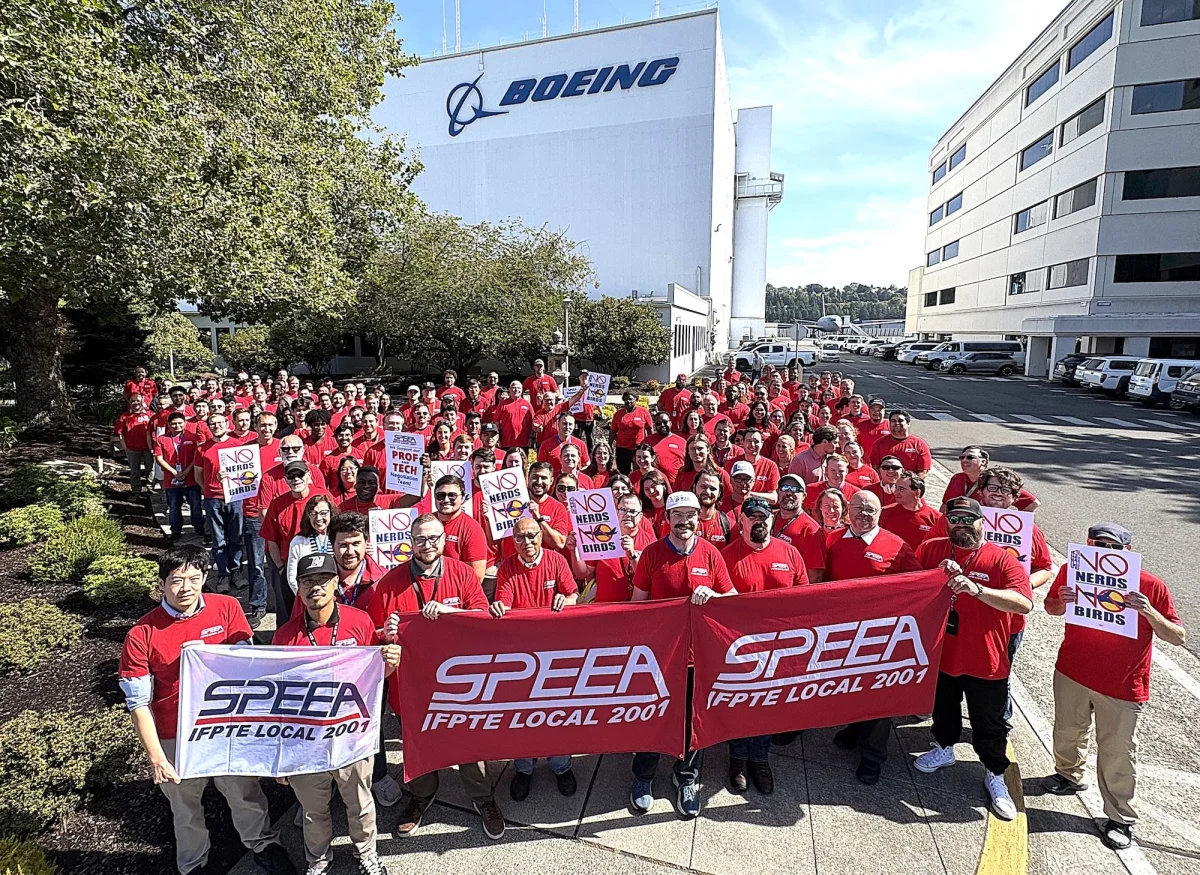
Boeing Tightens Spending Ahead of Critical SPEEA Union Vote
Boeing has implemented spending controls and a hiring freeze as it faces a critical contract ratification vote with its 17,000-member engineering union.
Boeing CEO Kelly Ortberg Warns of 777X Certification Delay
Boeing CEO Kelly Ortberg warned that a potential strike by 17,000 engineers would immediately halt the 777X certification and production programs.
American and United Plan Capacity Cuts Amid Fuel Cost Surge
American and United are trimming flight schedules to offset a $1 billion fuel cost spike while maintaining strong pricing power.
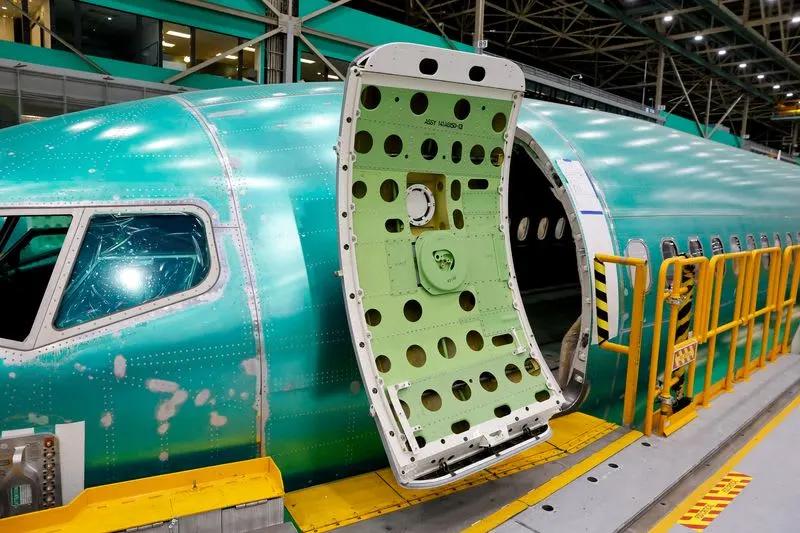
Boeing CEO Reports 737 MAX Output Stabilization Delays
Boeing CEO Kelly Ortberg reports slower 737 MAX production stabilization, prompting a downward revision in 2026 free cash flow expectations to $2 billion.
Boeing Finalizes KAL Order, Salvages Turkish Airlines Deal
Boeing secured a $36.2 billion order from Korean Air Lines for 103 aircraft and nears a resolution on a 150-jet deal with Turkish Airlines.
Airbus Forecasts 42,000 New Jets Amid Strong Global Demand
Airbus expects 42,000 new aircraft deliveries globally by 2045, with 45% of demand concentrated in the Asia-Pacific region.