Gulf Coast Jet Fuel Prices Spike 90%, Squeezing Airline Operating Costs

Co-Founder & CEOAviation News Editor delivering trusted coverage across the global aviation industry.

Jet fuel prices have spiked 90.2% year-over-year through March, driven by geopolitical conflict and placing severe pressure on airline operating costs.
Key Takeaways
- •Surged 90.2% year-over-year, significantly outpacing gasoline and diesel price increases.
- •Reached a U.S. Gulf Coast spot price of $3.42 per gallon on March 6, 2026, after a 58.4% weekly increase.
- •Threatens airline profitability as fuel accounts for approximately 40% of total operating costs.
- •Pressures carriers to increase airfares and implement fuel surcharges, impacting passenger demand.
Aviation fuel costs have surged to levels not seen in recent years, with data showing a disproportionate increase compared to other refined petroleum products. According to figures from the U.S. Energy Information Administration (EIA), the Louisiana (Gulf Coast) spot price for jet fuel rose 90.2% year-over-year through March 30, 2026. This dramatic climb in aviation fuel costs far outpaces the increases seen in regular gasoline, which rose 26.2%, and diesel, which climbed 50.4% over the same period.
The sharp escalation in jet fuel prices presents a significant financial challenge to the airline industry. Fuel is one of the largest and most volatile operating expenses for carriers, often accounting for up to 40% of total operating costs. A near-doubling of this key expenditure directly threatens airline profitability and operational stability, forcing carriers to re-evaluate financial forecasts and pricing strategies. The data, aggregated by the Federal Reserve Economic Data (FRED) service, underscores a volatile market environment driven by recent geopolitical conflicts in the Middle East that have disrupted oil production.
Industry Impact
The immediate financial pressure is most acute for unhedged commercial airlines, which are fully exposed to spot market price fluctuations. These carriers face an immediate and severe contraction of their operating margins. Consequently, passengers are expected to bear the brunt of these increased costs through higher airfares and the likely reintroduction of significant fuel surcharges. According to the U.S. Energy Information Administration (EIA), the U.S. Gulf Coast Kerosene-Type Jet Fuel Spot Price reached $3.42 per gallon on March 6, 2026, a surge of 58.4% in a single week, illustrating the extreme volatility carriers must manage.
Conversely, airlines with robust fuel hedging programs may gain a significant short-term competitive advantage. By having pre-purchased a portion of their future fuel needs at lower, fixed prices, these carriers can absorb the market shock more effectively and potentially maintain lower fares to capture market share from their unhedged competitors. The International Air Transport Association (IATA) Jet Fuel Price Monitor provides ongoing analysis of these trends and their impact on global airline finances.
Historical Context and Precedents
This is not the first time a geopolitical event has triggered a severe shock to the jet fuel market. In February 2022, the Russian invasion of Ukraine caused a rapid spike in global oil and jet fuel prices, compelling airlines worldwide to raise ticket prices and add fuel surcharges to offset the sudden cost increase. The current situation mirrors this pattern, demonstrating the aviation industry's acute vulnerability to global conflicts that affect energy markets.
A more severe historical precedent occurred in July 2008, when the global financial crisis coincided with a speculative bubble that pushed crude oil to a record $147 per barrel. The resulting surge in jet fuel prices pushed several financially vulnerable airlines into bankruptcy. This precedent highlights the existential threat that sustained, high fuel costs pose to carriers, particularly those with weaker balance sheets or without effective hedging strategies in place.
Technical Analysis
The current price spike represents a classic supply-side shock driven by external geopolitical factors rather than a fundamental shift in demand. The data suggests that the refining and logistics infrastructure for jet fuel is more sensitive to disruptions in specific crude oil grades, leading to its price diverging significantly from gasoline and diesel. This event tests the financial resilience and strategic planning of airline management teams, separating carriers that have invested in sophisticated hedging programs from those that have not. Historically, similar situations have led to accelerated fleet renewal as airlines seek more fuel-efficient aircraft, and in some cases, market consolidation as weaker airlines are acquired or cease operations. The trajectory follows the precedent set in 2008 and 2022, where external shocks to fuel markets forced structural changes within the industry.
What Comes Next
The airline industry will be closely monitoring the duration and severity of the ongoing geopolitical conflicts. The primary focus for carriers will be managing liquidity and passing through costs to consumers without destroying travel demand. If high prices persist, airlines are expected to accelerate capacity discipline, potentially trimming less profitable routes to conserve fuel and reduce cash burn. The extent of fare increases will likely be visible in the coming booking cycles for the summer 2026 travel season. Regulators and governments may also face pressure to intervene if sustained high energy costs threaten economic stability, though no specific actions have been announced.
Why This Matters
This 90% year-over-year surge in jet fuel prices is a critical development that directly threatens the financial health of the airline industry and the affordability of air travel. It creates a stark divide between hedged and unhedged carriers, potentially altering the competitive landscape. For passengers, this signals an imminent rise in ticket prices, which could dampen the continued recovery in post-pandemic travel demand.
omniflights.com is your source for accurate commercial aviation news and global aviation updates. Discover how innovation is shaping aviation through aircraft systems, avionics, and digital tools at omniflights.com/technology.

Written by Hardik Vishwakarma
Co-Founder & Aviation News Editor leading initiatives that improve trust and visibility across the global aviation industry. Covers airlines, airports, safety, and emerging technology.
Visit ProfileYou Might Also Like
Discover more aviation news based on similar topics

US Slows Aircraft-Part Exports to China Amid Trade Truce
The US is slowing export licenses for aircraft parts to China, using aviation dependencies as leverage in ongoing trade negotiations.
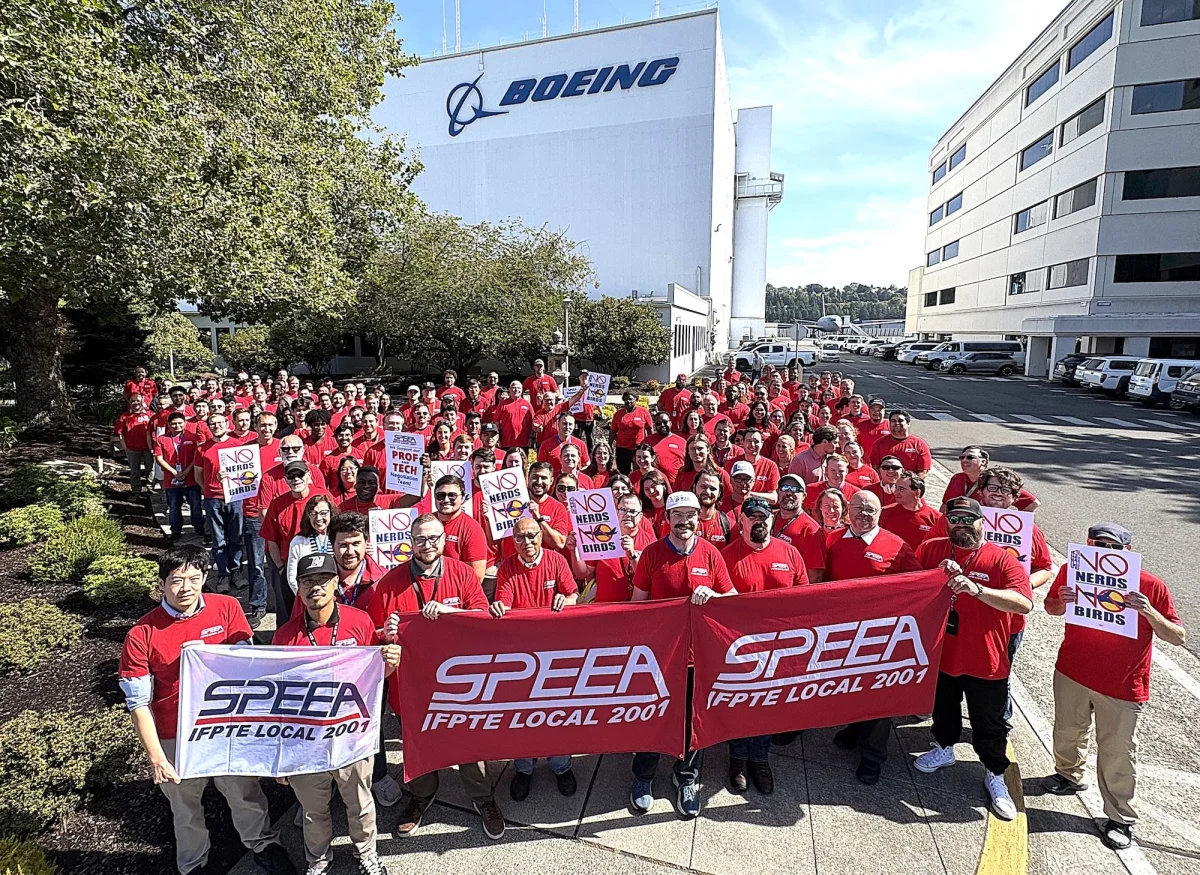
Boeing Tightens Spending Ahead of Critical SPEEA Union Vote
Boeing has implemented spending controls and a hiring freeze as it faces a critical contract ratification vote with its 17,000-member engineering union.

Boeing CEO Kelly Ortberg Warns of 777X Certification Delay
Boeing CEO Kelly Ortberg warned that a potential strike by 17,000 engineers would immediately halt the 777X certification and production programs.
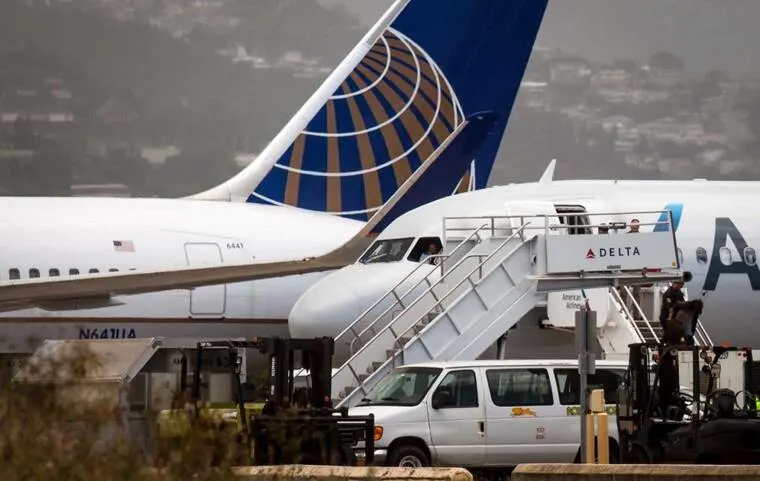
American and United Plan Capacity Cuts Amid Fuel Cost Surge
American and United are trimming flight schedules to offset a $1 billion fuel cost spike while maintaining strong pricing power.
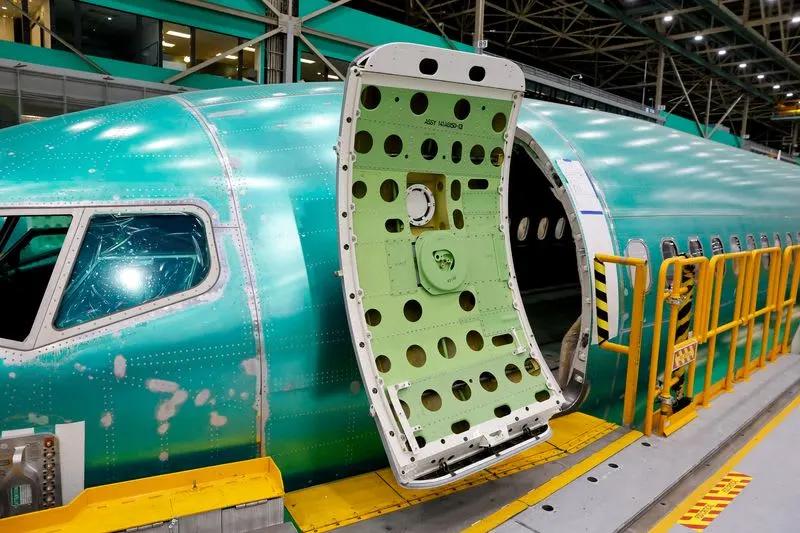
Boeing CEO Reports 737 MAX Output Stabilization Delays
Boeing CEO Kelly Ortberg reports slower 737 MAX production stabilization, prompting a downward revision in 2026 free cash flow expectations to $2 billion.
Boeing Finalizes KAL Order, Salvages Turkish Airlines Deal
Boeing secured a $36.2 billion order from Korean Air Lines for 103 aircraft and nears a resolution on a 150-jet deal with Turkish Airlines.