GlobalX Charter Flight Hits Miami Airport Heat Emergency

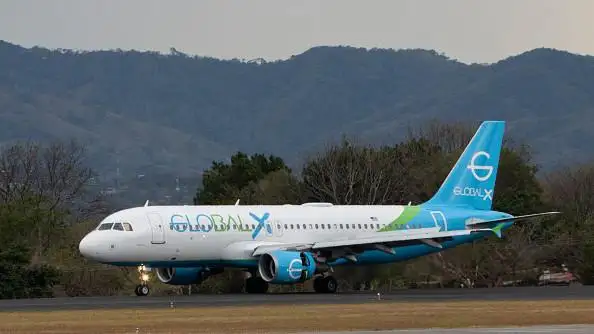
Four people were hospitalized following an air-conditioning failure on a GlobalX charter flight at Miami-Opa Locka Executive Airport.
Key Takeaways
- •Four people were hospitalized after an air-conditioning failure at OPF.
- •The GlobalX charter flight experienced a five-hour tarmac delay on May 28.
- •ICE is reviewing the incident involving its contracted transport flight.
- •The DOT Tarmac Delay Rule mandates safe cabin temperatures during ground waits.
A Miami airport heat emergency unfolded on Thursday, May 28, 2026, when an air-conditioning failure aboard a Global X charter flight led to the hospitalization of four individuals. The incident occurred at Miami-Opa Locka Executive Airport (OPF), a facility frequently utilized for government-contracted transportation. Emergency personnel from Miami-Dade Fire Rescue (MDFR) arrived on the scene after reports of passengers suffering from heat-related illnesses while the aircraft remained grounded on the tarmac.
Operational Impact and Medical Response
The aircraft, which was scheduled to depart for Alexandria International Airport (AEX) in Louisiana, remained on the ground for more than five hours due to the mechanical issue. According to FlightAware tracking data, the flight eventually departed Miami at 6:40 PM local time. The U.S. Immigration and Customs Enforcement (ICE) confirmed that they are reviewing the circumstances surrounding the event. The presence of federal personnel at the scene highlighted the aircraft's role in government-contracted operations, which has drawn increased attention from regulators and advocacy groups.
Regulatory and Safety Context
The incident brings into focus the U.S. DOT Tarmac Delay Rule, which mandates that airlines provide comfortable cabin temperatures and adequate medical attention during extended ground delays. For Global Crossing Airlines (GlobalX), this event represents a significant operational challenge. The carrier faces potential scrutiny from the U.S. Department of Transportation (DOT) and the Federal Aviation Administration (FAA) regarding its adherence to safety protocols during the delay.
Historically, similar incidents have resulted in severe regulatory consequences. In July 2023, a tarmac heat emergency involving Delta Air Lines in Las Vegas resulted in a federal investigation and subsequent fines after passengers were left in extreme temperatures. This precedent underscores the high stakes for charter operators when environmental controls fail on the ramp.
Industry Trends in Charter Operations
The aviation industry is observing an increasing frequency of tarmac heat emergencies as global temperatures rise. For private charter airlines that operate sensitive government missions, such as deportation and detainee transfers, there is a growing demand for transparency regarding safety and environmental standards. According to immigration and human rights advocacy groups, the reliance on private contractors for these missions often lacks the oversight necessary to protect vulnerable passengers, a concern that may lead to further policy reviews by federal agencies.
What Comes Next for the Investigation
Stakeholders are now awaiting the findings of multiple reviews. The U.S. Immigration and Customs Enforcement internal review is expected to conclude by Q4 2026, while a formal investigation by the U.S. Department of Transportation or the Federal Aviation Administration is anticipated to launch in Q3 2026. These investigations will likely determine if the carrier violated existing safety standards or if systemic issues within the charter network contributed to the failure.
Why This Matters for Government Contractors
This incident serves as a critical signal for the broader charter aviation sector, particularly those holding government contracts. For companies like GlobalX, the reputational and financial risks associated with such failures are substantial. Beyond the immediate operational disruption, the event positions the sector for heightened federal oversight, potentially leading to stricter environmental control requirements and increased public scrutiny of private immigration transport operations.
Frequently Asked Questions
- What caused the medical emergency on the GlobalX charter flight?
- The emergency was caused by an apparent air-conditioning failure that led to dangerously high cabin temperatures while the aircraft was grounded at Miami-Opa Locka Executive Airport.
- How many people were hospitalized following the heat incident?
- Four people were transported to local hospitals for treatment of heat-related illnesses by Miami-Dade Fire Rescue.
Stay ahead of the airline industry with commercial aviation news from omniflights.com. Get the latest updates on major hubs, regional terminals, and airport operations via the Airports section at omniflights.com/airports.

Written by Hardik Vishwakarma
Co-Founder & Aviation News Editor leading initiatives that improve trust and visibility across the global aviation industry. Covers airlines, airports, safety, and emerging technology.
Visit ProfileYou Might Also Like

Riyadh Airport Closure Extended Following Deadly Attacks
Riyadh Airport Closure Extended After Deadly Houthi Attack
Riyadh Airport Closed Until October 17 After Houthi Attacks
Delta Delays Atlanta-Riyadh Launch After Airport Attack

Riyadh Airport Missile Strike Leaves 12 Dead