FAA Urged to Prioritize Safety Over Proposed D.C. Arch

Co-Founder & CEOAviation News Editor delivering trusted coverage across the global aviation industry.
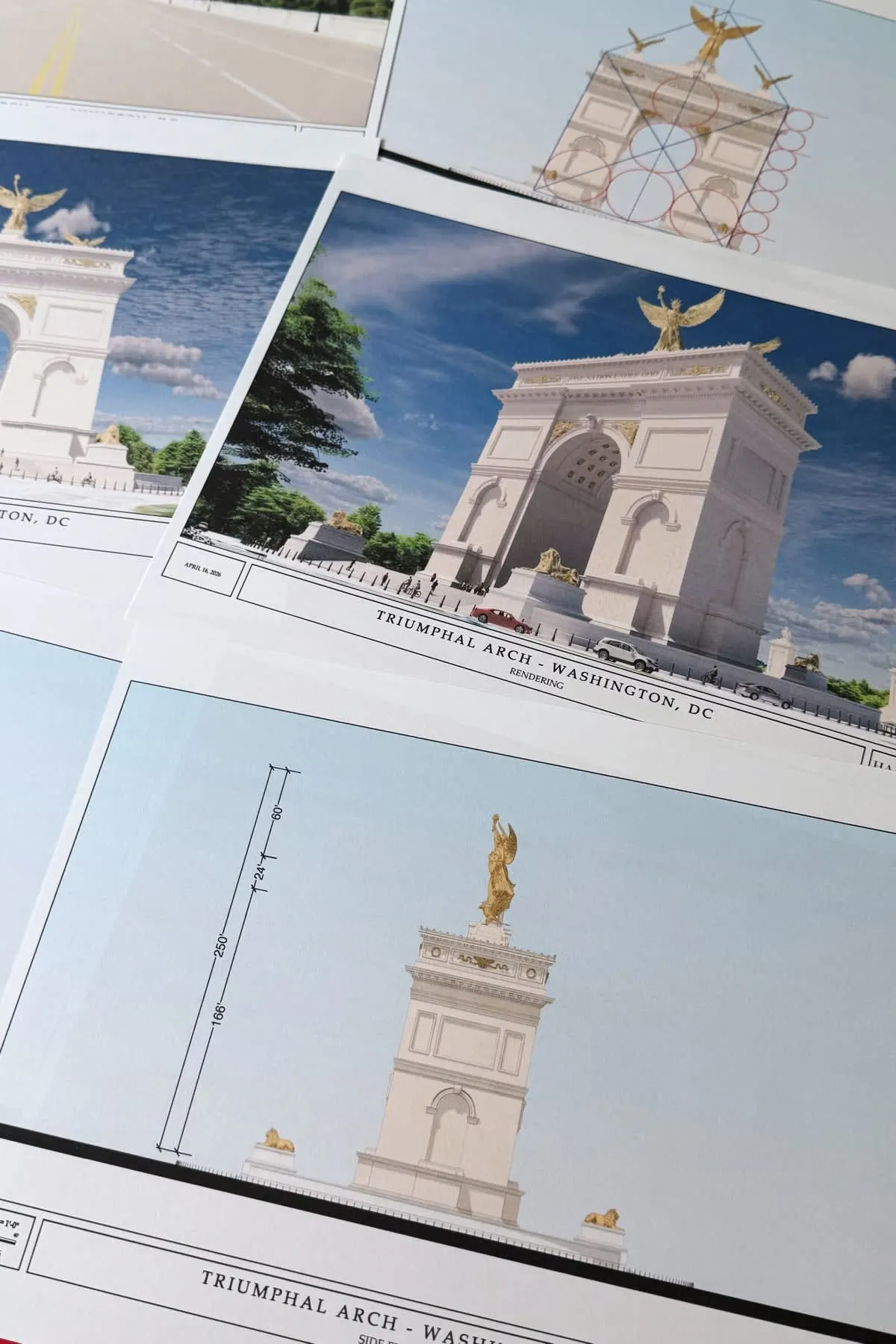
Senator Tammy Duckworth has urged the FAA to resist political pressure and ensure the proposed 250-foot D.C. arch does not compromise aviation safety.
Key Takeaways
- •Senator Duckworth urges FAA to prioritize safety over the proposed D.C. arch.
- •Proposed 250-foot arch construction involves 320-foot cranes near DCA airspace.
- •FAA is expected to conduct a full aeronautical study through 2027.
- •Part 77 regulations mandate strict obstruction evaluations for tall structures.
Congressional Scrutiny of Airspace Safety
Senator Tammy Duckworth has formally requested that the Federal Aviation Administration (FAA) maintain rigorous safety standards regarding a proposed 250-foot triumphal arch in Washington, D.C. The letter, addressed to FAA Administrator Bryan Bedford, emphasizes the necessity of an independent FAA obstruction evaluation to ensure the project does not interfere with the complex DCA airspace safety environment. The proposed structure, intended to commemorate the nation's 250th anniversary, would stand more than twice as tall as the Lincoln Memorial.
Operational Risks and Construction Hazards
Concerns regarding the project are heightened by the construction requirements outlined in a preliminary report by the National Park Service (NPS). The report indicates that the three-year construction timeline could require cranes reaching heights of up to 320 feet. These cranes, operating potentially 20 hours per day, present a significant Part 77 airspace hazard that necessitates a comprehensive aeronautical study. The proximity of the construction site to Ronald Reagan Washington National Airport (DCA) remains a central point of contention for lawmakers, especially following a fatal mid-air collision in January 2025 that resulted in 67 fatalities.
Regulatory Standards and Mitigation
While the FAA previously released a statement suggesting a preliminary feasibility study found no adverse impacts, the agency acknowledged that the structure would require aviation red obstruction lights to comply with safety standards. These standards are governed by FAA Advisory Circulars, which define the requirements for marking and lighting tall structures. The agency has committed to conducting a full study in coordination with the NPS to evaluate the long-term impact on navigable airspace.
Historical Precedents in Obstruction Evaluation
Regulatory history underscores the agency's authority to mandate modifications to tall structures. In 2007, the FAA refused to withdraw a hazard determination for a 180-foot building near Montgomery Field, ultimately forcing the developer to reduce the structure's height. Similarly, in 2011, a federal court remanded a 'no-hazard' determination for an offshore wind farm, citing a failure to strictly adhere to aeronautical study guidelines. These cases demonstrate that the FAA is expected to prioritize safety protocols over development timelines, a standard that critics argue must be applied to the current D.C. proposal.
Impact on DCA Operations
For Air Traffic Control (ATC) at DCA, the presence of a permanent 250-foot structure and temporary 320-foot cranes may necessitate a redesign of approach and departure procedures. Commercial airlines operating at the airport could face operational constraints, including stricter weather minimums or potential payload restrictions during the construction phase. The NPS may also face significant project delays if the FAA mandates extensive aviation mitigations to preserve the integrity of the surrounding airspace.
The Path to Certification and Review
Following the letter from Senator Duckworth, the FAA is expected to conduct a comprehensive aeronautical study of the arch’s impact on DCA airspace through 2026 and 2027. This study will be the definitive process for determining whether the structure constitutes a hazard to air navigation. The outcome of this review will dictate whether the project can proceed under its current design or if significant height reductions and operational limitations will be required to meet federal safety mandates.
Why Airspace Integrity Matters
This development highlights the ongoing tension between large-scale infrastructure projects and the preservation of critical urban airspace. For aviation professionals and the flying public, the incident serves as a reminder that regulatory independence is essential to preventing systemic safety failures. The situation positions the FAA at a critical juncture where it must balance political objectives with its primary mandate to maintain the safety of the National Airspace System.
Frequently Asked Questions
- What are the FAA requirements for tall structures near airports?
- Under 14 CFR Part 77, the FAA mandates an aeronautical study and obstruction evaluation for structures over 200 feet AGL to ensure they do not pose a hazard to navigable airspace. Additionally, structures must adhere to marking and lighting standards, such as the use of red obstruction lights, as outlined in Advisory Circular 70/7460-1M.
- Why is the DCA airspace considered high-risk for new construction?
- The airspace around Ronald Reagan Washington National Airport is highly complex and sensitive, particularly following a fatal mid-air collision in January 2025 that resulted in 67 fatalities. Lawmakers and regulators now emphasize the need for extreme caution when evaluating any new obstructions in this environment to prevent further safety incidents.
omniflights.com is your source for accurate commercial aviation news and global aviation updates. For detailed airline coverage, route changes, and fleet moves, explore the Airlines section at omniflights.com/airlines.
Written by Hardik Vishwakarma
Co-Founder & Aviation News Editor leading initiatives that improve trust and visibility across the global aviation industry. Covers airlines, airports, safety, and emerging technology.
Visit ProfileYou Might Also Like
Discover more aviation news based on similar topics

FAA Faces $3.5 Billion Shortfall in ATC Modernization
FAA Administrator Bryan Bedford reported a $3.5 billion shortfall for the Brand New Air Traffic Control System, totaling $16 billion for Phase One.
FAA Pauses Flights into LAX Due to Staffing Shortages
The FAA issued a temporary ground stop for flights bound for LAX on Monday morning due to staffing shortages at the Southern California TRACON.

FAA Proposes Ending Overland Supersonic Flight Ban
The FAA has proposed a new performance-based noise standard to replace the 1973 ban on overland supersonic flight, enabling future commercial travel.

DOT Rule Exempts Airlines From Cyberattack Delay Costs
Starting October 19, 2026, the DOT will allow airlines to withhold meal and hotel vouchers for delays caused by cyberattacks and nine other events.

Wizz Air, Ryanair Demand NATS Reform After ATC Failure
Wizz Air and Ryanair are calling for urgent NATS reform after a September 8 system failure caused over 1,000 flight cancellations across the UK.

US Treasury Iran Sanctions Target 27 Airlines, Mahan Air
The U.S. Treasury sanctioned 36 entities, including 27 Iranian airlines, to disrupt illicit procurement networks used by the Iranian government.