FAA Proposes Lifting 53-Year Overland Supersonic Flight Ban

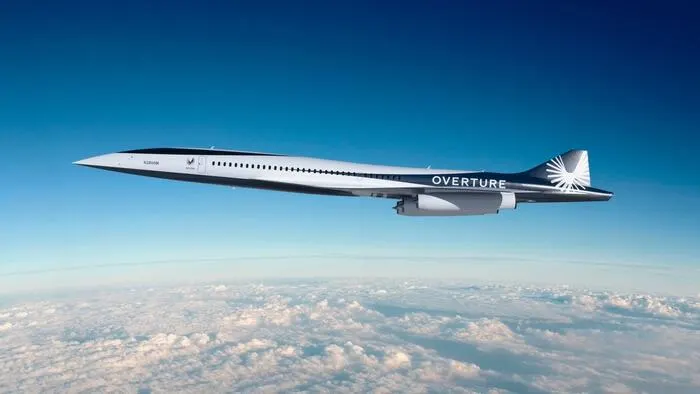
The FAA issued an NPRM to lift the 53-year-old overland supersonic flight ban, replacing the Mach 1 limit with a 0.11 psf noise standard.
Key Takeaways
- •FAA proposes lifting the 53-year-old overland supersonic flight ban.
- •New noise standard caps sonic boom overpressure at 0.11 psf.
- •Proposed rules replace the current Mach 1 speed limit regulation.
- •Finalization of en-route noise regulations is expected by mid-2027.
The Federal Aviation Administration (FAA) on Tuesday moved to end the more than 50-year ban on civilian supersonic flights over the continental United States, proposing rules that would allow aircraft to exceed the speed of sound. The U.S. Department of Transportation (DOT) announced on June 30 that the FAA has issued a notice of proposed rulemaking (NPRM) that would replace the more than 50-year-old prohibition on overland civil supersonic flight. This regulatory shift centers on the FAA supersonic flight ban, which has strictly prohibited civil aircraft from exceeding Mach 1 over U.S. territory since 1973 under 14 CFR 91.817.
Shifting to Performance-Based Standards
The proposed rule marks a fundamental transition from a rigid speed restriction to a performance-based sonic boom noise standard. Under the new framework, aircraft operators would be permitted to fly at supersonic speeds over land provided the sonic boom overpressure at the surface does not exceed 0.11 pounds per square foot (psf). This limit is designed to facilitate "boomless cruise" operations, where advanced aerospace engineering and flight techniques refract shockwaves upward to ensure only a low-frequency sound reaches the ground. This proposal follows Executive Order 14304, signed in June 2025, which mandated the repeal of the ban to foster innovation in the aviation sector.
Impact on Manufacturers and Airlines
For aerospace manufacturers such as Boom Supersonic and Hermeus, the NPRM provides a long-awaited regulatory pathway to certify next-generation aircraft for transcontinental operations. By enabling supersonic travel over land, the FAA is effectively opening the door for premium domestic routes, such as New York to Los Angeles, which could potentially be completed in under three hours. For commercial airlines, this development signals the potential for a new high-margin product tier, though the transition will depend on the successful certification of aircraft that can meet the stringent noise requirements.
Technical Comparison: 1973 vs. 2026 Regulations
| Metric | 1973 Ban | 2026 Proposed Rule |
|---|---|---|
| Speed Limit | Mach 1 maximum | No strict speed limit |
| Surface Overpressure Limit | Blanket Ban | Maximum 0.11 psf |
The Path to Implementation
The FAA plans to finalize the en-route noise regulations and a separate takeoff/landing noise rule by mid-2027. U.S. Transportation Secretary Sean P. Duffy framed the regulatory shift as an economic catalyst, stating that restoring supersonic flight over land is about unleashing American innovation and ushering in a new era of travel. However, the proposal faces scrutiny from environmental and community advocates. These groups argue that even low-frequency "thump" noises could cause cumulative disturbances over populated areas and have raised concerns regarding the carbon footprint and fuel consumption associated with supersonic propulsion systems.
Why This Matters for the Aviation Industry
This regulatory pivot represents a major structural change in civil aviation policy, reversing a 53-year precedent that effectively stifled the development of supersonic commercial transport. By replacing the flat Mach 1 prohibition with a measurable noise metric, the FAA is aligning its standards with modern aerospace capabilities. The success of this initiative will likely serve as a litmus test for the viability of supersonic commercial aviation in the 21st century, balancing the demand for high-speed connectivity with the operational realities of noise mitigation and environmental sustainability.
Frequently Asked Questions
- What is the new noise limit for overland supersonic flights?
- The FAA's proposed interim noise standard requires that sonic boom overpressure reaching the surface must not exceed 0.11 pounds per square foot.
- When does the FAA plan to finalize the new supersonic noise regulations?
- The FAA aims to finalize both the en-route noise regulations and the separate takeoff and landing noise rules by mid-2027.
From airline operations to fleet updates, commercial aviation news lives at omniflights.com. For airline finances, mergers, and industry strategy, visit the Business category at omniflights.com/business.

Written by Hardik Vishwakarma
Co-Founder & Aviation News Editor leading initiatives that improve trust and visibility across the global aviation industry. Covers airlines, airports, safety, and emerging technology.
Visit ProfileYou Might Also Like
FAA Clears Boeing 737 MAX 10 Software Glitch

FAA Faces $3.5 Billion Shortfall in ATC Modernization
FAA Pauses Flights into LAX Due to Staffing Shortages
FAA Proposes Ending Overland Supersonic Flight Ban

DOT Rule Exempts Airlines From Cyberattack Delay Costs