United Adds 2 SFO Routes as FAA Eases Flight Limits

Co-Founder & CEOAviation News Editor delivering trusted coverage across the global aviation industry.
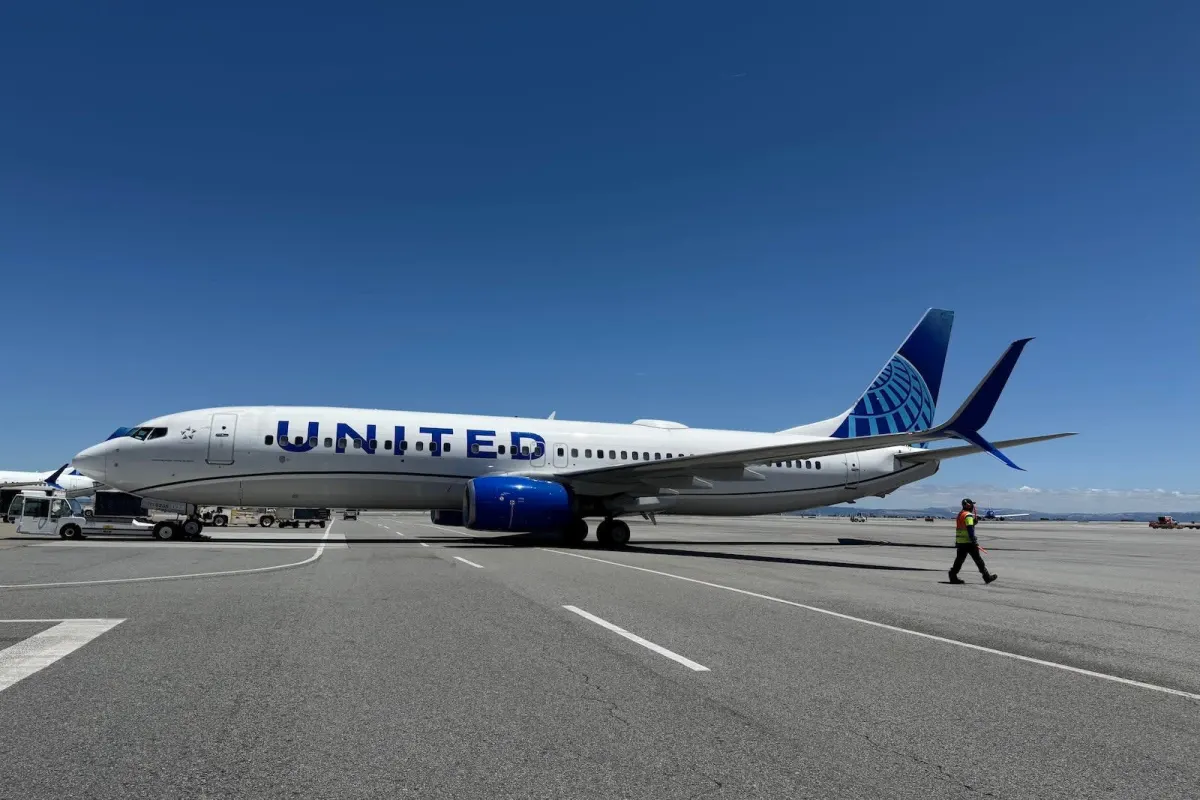
United Airlines is launching 2 new San Francisco routes after the FAA eased limits, but the carrier postponed 10 Chicago O'Hare routes due to caps.
Key Takeaways
- •United Airlines adds two new routes from San Francisco in winter 2026.
- •FAA increases San Francisco hourly arrival capacity from 36 to 40.
- •United postpones 10 Chicago O'Hare routes due to extended flight caps.
- •Chicago O'Hare daily flight limits are extended through October 2027.
To optimize its domestic network, United Airlines is adding United Airlines new routes from the West Coast after regulators adjusted San Francisco Airport arrivals procedures. Conversely, the carrier's Midwest growth remains constrained by the FAA flight limits Chicago enforces, alongside a strict Chicago O'Hare capacity cap that has restricted regional expansion. These regulatory shifts are forcing the carrier to adjust its hub strategies through 2027.
The Chicago-based carrier will launch two new routes from San Francisco International Airport (SFO) to Cincinnati/Northern Kentucky International Airport (CVG) and President Donald J. Trump International Airport (DJT) in West Palm Beach, Florida, starting in Winter 2026. This expansion is made possible by a recent easing of landing restrictions at SFO. However, the operational relief on the West Coast contrasts sharply with ongoing constraints at Chicago O'Hare International Airport (ORD), where United has indefinitely postponed 10 planned regional routes due to federal limits on daily flights.
Easing Delays at SFO and Strict Caps at O'Hare
The Federal Aviation Administration (FAA) eased arrival restrictions at SFO on August 12, 2026, by implementing a new staggered parallel approaches procedure. This regulatory change replaced a previous ban on side-by-side visual approaches, effectively raising SFO's maximum hourly arrival rate from 36 to 40 aircraft. According to FAA operational communications, this procedural adjustment aims to mitigate severe summer delays that have historically plagued the dual-runway airport.
At ORD, however, the regulatory environment remains restrictive. The FAA extended flight limits at Chicago O'Hare through October 30, 2027, according to the Federal Register notice on Chicago O'Hare limitations. This order caps daily operations at ORD to 2,708 peak daily operations to manage airspace congestion stemming from major airport modernization projects.
This cap has directly impacted United's regional strategy. "Following the extension of FAA's Chicago O'Hare's flight schedule cap through October 2027, we are delaying the start of ten new routes announced earlier this year and removing them from our schedule," a United Airlines spokesperson stated.
The operational caps have created varying impacts across industry stakeholders. For regional Midwest airports, United's indefinite route postponements represent a high-severity loss of direct connectivity to a major global hub. Conversely, American Airlines stands to gain a medium-severity temporary competitive advantage at their shared Chicago hub as United pauses its aggressive regional expansion. For SFO passengers, the increased hourly arrival rate is expected to deliver a medium-severity improvement in on-time performance and fewer weather-related delays.
Fleet Upgauging and Historical Precedents
To bypass the strict flight caps at Chicago, United is employing an upgauging strategy. Cirium schedule data indicates that United is growing its seat capacity at ORD by nearly 14% year-over-year in 2026 despite the flat operational caps. The carrier is achieving this by swapping out smaller regional jets for larger narrowbody aircraft, such as the Airbus A321neo and Boeing 737 MAX 9.
This strategy of regulatory circumvention mirrors historical precedents. In 2022, the FAA approved similar schedule reductions for United at Newark Liberty International Airport (EWR) to alleviate chronic congestion and air traffic control staffing shortages. Just as in Newark, the FAA's intervention at ORD serves as a regulatory circuit breaker to maintain operational reliability at the expense of pure flight frequency.
United CEO Scott Kirby has offered an alternative perspective on the Chicago restrictions, viewing the aggressive scheduling at O'Hare as an artificial capacity war. Kirby has argued that airlines operated excess flights primarily to maintain gate allocations under use-it-or-lose-it rules rather than to meet organic passenger demand, making the FAA intervention a necessary reset for gate allocation reform.
How Upgauging and Procedural Changes Reshape Hub Economics
The divergent regulatory paths at SFO and ORD illustrate how infrastructure limits dictate airline fleet and network planning. At SFO, the transition to staggered parallel approaches unlocks latent runway capacity without requiring physical runway expansion, allowing United to add high-yield transcontinental and regional routes like DJT and CVG. At ORD, the extension of the 2,708 daily flight limit forces a structural shift in how United generates revenue. Rather than growing via frequency and regional feeder routes—which are highly sensitive to delays—United is accelerating its upgauging trend. By increasing ORD seat capacity by 14% through larger gauge aircraft, the airline maximizes passenger throughput per slot. However, this shift structurally disadvantages smaller regional communities that rely on fifty-seat regional jets, accelerating a broader industry trend toward hub consolidation and larger average aircraft sizes.
Key Infrastructure and Regulatory Milestones
Several critical dates will determine the next phase of United's hub operations:
- October 2, 2026: SFO expects to complete the reopening of Runway 1R, which is anticipated to further stabilize West Coast operations.
- Winter 2026: United is scheduled to launch its new non-stop services from SFO to CVG and DJT.
- October 30, 2027: The FAA's temporary flight limits at Chicago O'Hare are confirmed to expire, potentially opening the door for United to reinstate its postponed regional routes.
Why Slot and Procedural Constraints Matter to the Industry
This development signals that regulatory and procedural workarounds, rather than concrete runway construction, will remain the primary tools for managing airport congestion in the near term. For airline network planners, the situation demonstrates that upgauging is a highly effective tool to maintain capacity growth when physical flight caps are enforced. Ultimately, passengers will see more reliable schedules at SFO, but travelers in smaller Midwestern markets face long-term connectivity losses as airlines shift resources toward larger hubs.
Frequently Asked Questions
- Why is United Airlines postponing new routes at Chicago O'Hare?
- United postponed ten planned regional routes because the Federal Aviation Administration extended daily flight limits at Chicago O'Hare to 2,708 peak daily operations through October 30, 2027.
- How did the FAA increase flight capacity at San Francisco International Airport?
- The FAA introduced a staggered parallel approaches procedure on August 12, 2026, which raised the maximum hourly arrival rate from 36 to 40 aircraft and reduced summer delays.
- Which new routes is United Airlines adding from San Francisco?
- United is launching two new routes from San Francisco International Airport to Cincinnati/Northern Kentucky International Airport and President Donald J. Trump International Airport in West Palm Beach starting in Winter 2026.
From airline operations to fleet updates, commercial aviation news lives at omniflights.com. Discover how innovation is shaping aviation through aircraft systems, avionics, and digital tools at omniflights.com/technology.
Written by Hardik Vishwakarma
Co-Founder & Aviation News Editor leading initiatives that improve trust and visibility across the global aviation industry. Covers airlines, airports, safety, and emerging technology.
Visit ProfileYou Might Also Like
Discover more aviation news based on similar topics

FAA Faces $3.5 Billion Shortfall in ATC Modernization
FAA Administrator Bryan Bedford reported a $3.5 billion shortfall for the Brand New Air Traffic Control System, totaling $16 billion for Phase One.
FAA Pauses Flights into LAX Due to Staffing Shortages
The FAA issued a temporary ground stop for flights bound for LAX on Monday morning due to staffing shortages at the Southern California TRACON.

FAA Proposes Ending Overland Supersonic Flight Ban
The FAA has proposed a new performance-based noise standard to replace the 1973 ban on overland supersonic flight, enabling future commercial travel.

DOT Rule Exempts Airlines From Cyberattack Delay Costs
Starting October 19, 2026, the DOT will allow airlines to withhold meal and hotel vouchers for delays caused by cyberattacks and nine other events.

Wizz Air, Ryanair Demand NATS Reform After ATC Failure
Wizz Air and Ryanair are calling for urgent NATS reform after a September 8 system failure caused over 1,000 flight cancellations across the UK.

US Treasury Iran Sanctions Target 27 Airlines, Mahan Air
The U.S. Treasury sanctioned 36 entities, including 27 Iranian airlines, to disrupt illicit procurement networks used by the Iranian government.