FAA Proposes AOA Sensor Heaters for 133 Boeing 737s

Co-Founder & CEOAviation News Editor delivering trusted coverage across the global aviation industry.
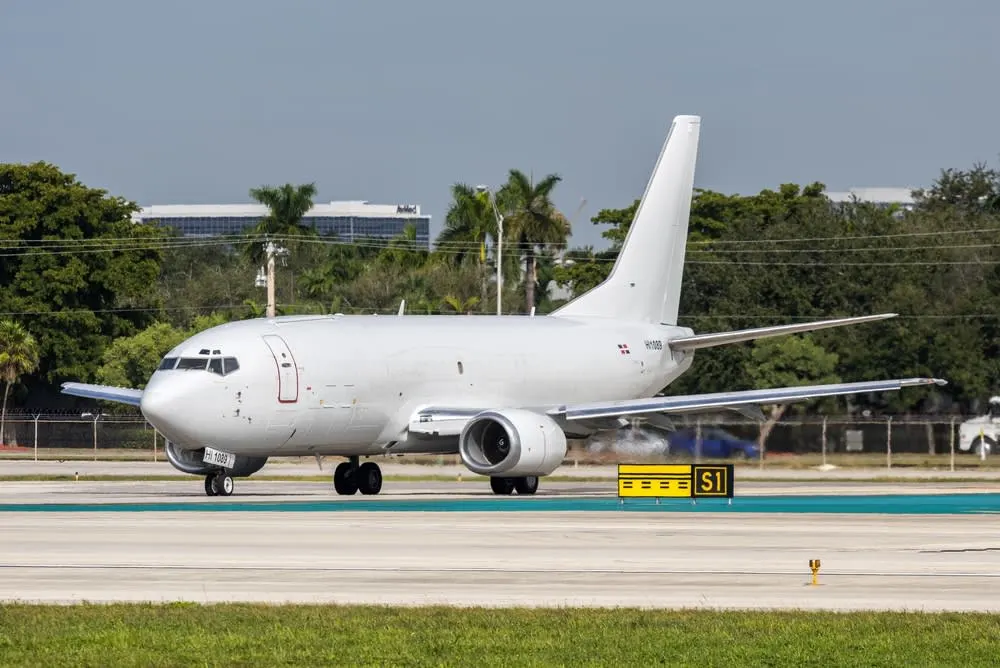
The FAA proposed an airworthiness directive to mandate new angle-of-attack sensor heaters on 133 U.S.-registered Boeing 737 Classic aircraft.
Key Takeaways
- •FAA proposes mandatory sensor heaters for 133 Boeing 737 Classic aircraft.
- •Upgrades prevent AOA sensor freezing and false stall-warning activations.
- •Installation costs range from $2,125 to $109,883 per aircraft.
- •Public comment period for the proposed directive closes on October 2, 2026.
The Federal Aviation Administration has issued a proposed FAA Airworthiness Directive requiring operators of 133 U.S.-registered aircraft to install external case heaters to prevent angle of attack freezing issues. This safety mandate specifically targets the Boeing 737 Classic AOA sensor assembly on the Boeing 737-300 -400 -500 fleet to prevent false stall warnings. The proposed rule, published under Docket No. FAA-2026-7237, represents a significant regulatory step to address latent safety risks in aging passenger and cargo fleets.
The core concern centers on the potential for ice accumulation to jam the Angle of Attack (AOA) sensor vanes, which directly feeds data to the aircraft's stall-warning system. If these vanes freeze, the flight deck can receive erroneous data, triggering an unwarranted stick-shaker activation. Such false alarms increase pilot workload during critical phases of flight and can lead to unnecessary emergency procedures, compromising overall flight safety.
According to the FAA Federal Register publication, the Notice of Proposed Rulemaking (NPRM) affects the Boeing 737-300, -400, and -500 series, commonly referred to as the 737 Classic fleet. Regulators estimate that 133 airplanes registered in the United States will require modification under this directive.
The financial impact on operators varies widely depending on the existing aircraft configuration. The FAA projects a baseline cost of $2,125 per aircraft for the physical installation of the new External Case Heater (ECH) components. However, for aircraft requiring more extensive electrical modifications, including additional wiring and junction box installations, the compliance cost could rise to as much as $109,883 per airplane.
This regulatory action introduces a medium-severity operational and financial impact on airlines and cargo carriers still operating the 737 Classic. Operators must budget for both hardware procurement and the associated maintenance downtime. Conversely, AOA sensor and heater component suppliers are expected to see a localized surge in demand for these specialized parts.
The vulnerability of these specific sensors is not an isolated phenomenon. The FAA's current proposal was directly prompted by historical safety events involving another Boeing-built aircraft family. In December 2016, the FAA issued a similar Airworthiness Directive (AD) for Boeing MD-90-30 aircraft. That directive also mandated the installation of external case heaters on AOA sensors following multiple reports of nuisance stick-shaker activations caused by frozen sensor vanes.
This cross-platform vulnerability highlights a broader trend in aviation safety: the identification of shared hardware risks across different aircraft types. Because the 737 Classic and the MD-90 utilize related AOA sensor designs, the operational data gathered from MD-90 incidents provided the empirical basis for the FAA to proactively address the same risk on the 737 Classic fleet.
Analyzing the Vane-Pivot Freezing Mechanism
The physical mechanism behind the sensor failure involves environmental exposure during ground operations. In its regulatory justification, the FAA stated that heavy moisture conditions on the ground can lead to water entering the AOA vane pivot and freezing prior to or during flight. When an aircraft climbs into sub-freezing temperatures, any trapped water solidifies, locking the external vane in a fixed position.
This development indicates that regulators are maintaining rigorous oversight of aging fleets, even as the 737 Classic series nears the end of its operational lifecycle. Rather than allowing these older airframes to phase out without modification, the FAA's decision to mandate a physical hardware upgrade reflects a zero-tolerance policy toward known mechanical vulnerabilities that can compromise primary flight instrumentation.
Public Comment and Implementation Timeline
The FAA has established a structured timeline for finalizing this regulation. The public comment period for the proposed Airworthiness Directive is expected to close on October 2, 2026. During this window, operators, manufacturers, and industry groups can submit technical feedback and cost estimates to the regulatory docket.
Following the closure of the comment period, the FAA will review the submissions before issuing a final rule, which will specify the exact compliance deadline for completing the heater installations.
The Safety Imperative for Instrument Integrity
This regulatory push underscores the critical importance of reliable sensor data in modern aviation. For operators of the 737 Classic, ensuring the integrity of the stall-warning system is paramount to preventing loss-of-control accidents. By addressing this latent vulnerability, the FAA aims to eliminate a known source of flight deck distraction, ensuring that crews can trust their primary flight displays in all weather conditions.
Frequently Asked Questions
- Why is the FAA proposing new heaters for Boeing 737 Classic AOA sensors?
- The FAA is proposing the installation of external case heaters to prevent water from entering the angle-of-attack sensor vane pivot and freezing. This ice accumulation can cause false stall warnings and stick-shaker activations.
- How much will the 737 Classic AOA sensor modification cost operators?
- The baseline cost to install the new external case heaters is estimated at $2,125 per aircraft. However, depending on the plane's electrical configuration, total costs could reach up to $109,883 per aircraft.
- What prompted the FAA to investigate the 737 Classic AOA sensors?
- The investigation was prompted by similar freezing issues and nuisance stick-shaker activations on Boeing MD-90 aircraft, which share related angle-of-attack sensor hardware.
For in-depth airline coverage and commercial aviation news, omniflights.com delivers timely industry insights. From aircraft production to supply chains, commercial aviation manufacturing news is covered at omniflights.com/manufacturing.

Written by Hardik Vishwakarma
Co-Founder & Aviation News Editor leading initiatives that improve trust and visibility across the global aviation industry. Covers airlines, airports, safety, and emerging technology.
Visit ProfileYou Might Also Like
Discover more aviation news based on similar topics

FAA Clears Boeing 737 MAX 10 Software Glitch
The FAA determined a software glitch in 737 MAX flight computers poses no safety risk, clearing a path for MAX 10 certification by late 2026.

FAA Faces $3.5 Billion Shortfall in ATC Modernization
FAA Administrator Bryan Bedford reported a $3.5 billion shortfall for the Brand New Air Traffic Control System, totaling $16 billion for Phase One.

FAA Pauses Flights into LAX Due to Staffing Shortages
The FAA issued a temporary ground stop for flights bound for LAX on Monday morning due to staffing shortages at the Southern California TRACON.

FAA Proposes Ending Overland Supersonic Flight Ban
The FAA has proposed a new performance-based noise standard to replace the 1973 ban on overland supersonic flight, enabling future commercial travel.

DOT Rule Exempts Airlines From Cyberattack Delay Costs
Starting October 19, 2026, the DOT will allow airlines to withhold meal and hotel vouchers for delays caused by cyberattacks and nine other events.

Wizz Air, Ryanair Demand NATS Reform After ATC Failure
Wizz Air and Ryanair are calling for urgent NATS reform after a September 8 system failure caused over 1,000 flight cancellations across the UK.