FAA Proposes A320 Nose Gear Inspections Over Cracking

Co-Founder & CEOAviation News Editor delivering trusted coverage across the global aviation industry.
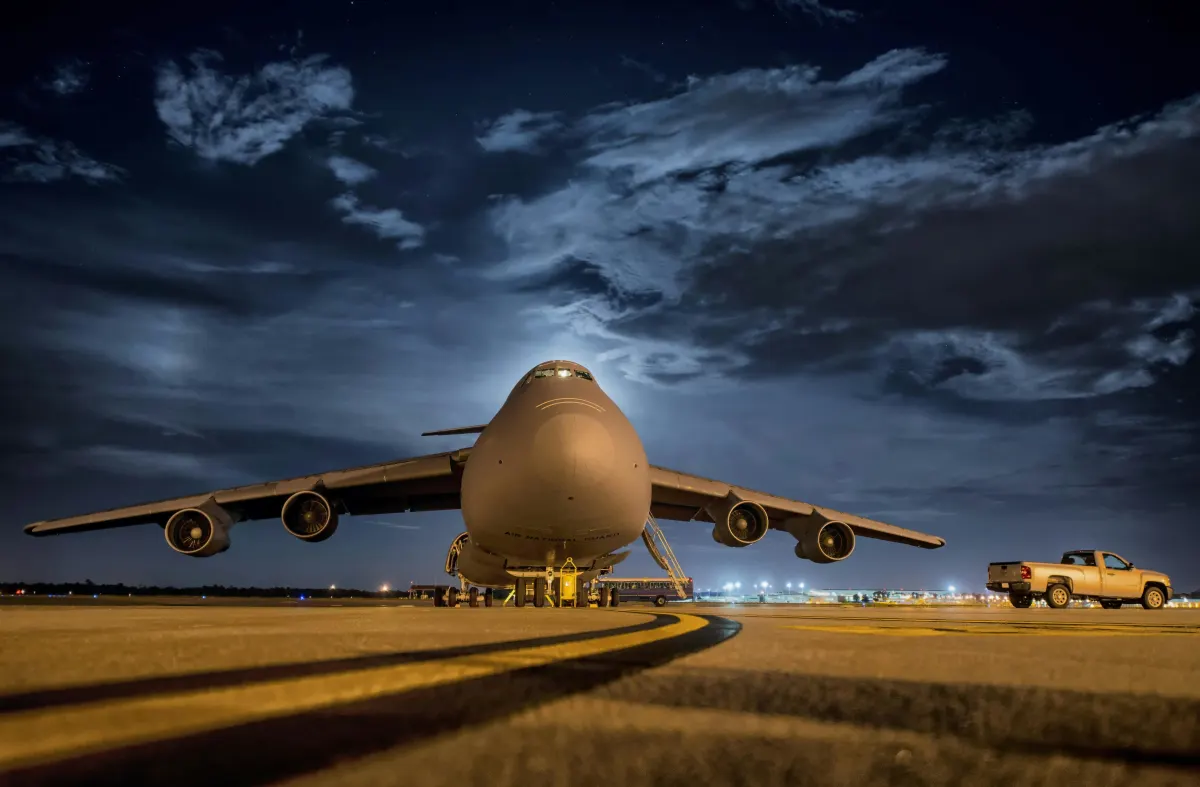
The FAA proposed an airworthiness directive for U.S. Airbus A320 jets to inspect nose gear sliding tubes for cracks, with comments due September 28.
Key Takeaways
- •FAA proposes inspections for Airbus A320-family nose landing gear.
- •Root cause identified as overheat damage during chrome grinding.
- •Public comment period for the proposed rule ends September 28, 2026.
- •Directive mirrors European safety action issued in late 2025.
The Federal Aviation Administration (FAA) has published a proposed Federal Register notice detailing a new FAA airworthiness directive targeting the Airbus A320 nose gear assembly on U.S.-registered aircraft. This regulatory action mandates a series of inspections on the landing gear sliding tube after reports of structural cracks. The agency will accept public comments on the proposed rule until September 28, 2026, before finalizing the safety mandate.
The proposal represents a significant operational hurdle for domestic airlines operating the popular single-aisle family. Because the nose landing gear (NLG) is a critical structural component, undetected cracking could lead to nose gear collapse during takeoff, landing, or taxiing operations. Operators must integrate these specialized inspections into their existing maintenance schedules, potentially leading to unscheduled aircraft downtime and increased labor costs.
The Root Cause of Sliding Tube Cracking
The proposed rule stems from an earlier regulatory action by the European Union Aviation Safety Agency (EASA). In November 2025, the European regulator issued EASA Airworthiness Directive 2025-0258, which identified a manufacturing defect during the chrome grinding phase of the sliding tube fabrication. According to EASA's investigative findings, excessive heat generated during the grinding process caused thermal damage to the underlying base metal. This overheat damage created micro-cracks that can propagate under operational stress.
The defect was not discovered during initial quality control but rather during routine shop visits and overhauls when landing gear assemblies were stripped of their protective chrome plating. Under the FAA's proposed rule, operators of Airbus A318, A319, A320, and A321 aircraft must perform a Special Detailed Inspection (SDI) of the NLG sliding tubes. The directive also prohibits the future installation of affected parts that have not undergone the required corrective actions.
Stakeholder Impact and Maintenance Realities
For commercial airlines, the directive introduces a medium-severity operational impact. Maintenance teams must coordinate the specialized inspections, which require specific non-destructive testing equipment to detect base metal anomalies beneath the chrome plating. If a sliding tube exhibits cracking, the component must be replaced before the aircraft can return to service, placing immediate pressure on spare parts inventories.
Landing gear suppliers and original equipment manufacturers will also face medium-severity impacts. They must ramp up production of compliant replacement sliding tubes to support airlines whose components fail the inspections, potentially leading to warranty claims and supply chain bottlenecks. Meanwhile, third-party maintenance, repair, and overhaul (MRO) facilities are expected to see an influx of landing gear shop visits as operators work to comply with the mandate.
Historical Precedents and Regulatory Context
This is not the first time the Airbus A320 family has faced nose gear scrutiny. In late 2024, EASA issued Airworthiness Directive 2024-25-12, which mandated inspections of nose gear components on specific A320-family aircraft following a comprehensive fatigue and damage-tolerance reassessment. While that previous directive focused on long-term fatigue wear, the current proposal addresses a discrete manufacturing quality escape.
The transition from EASA's European mandate to the FAA's proposed rule highlights the standard bilateral safety agreements between global regulators. When a state of design—in this case, Europe for Airbus aircraft—identifies a systemic safety issue, the FAA typically mirrors the corrective action for the U.S. fleet to maintain global safety alignment.
The Rise of Latent Manufacturing Defects
The A320 sliding tube issue underscores a broader trend in aviation safety regulations: the rising frequency of latent manufacturing defects discovered years after aircraft delivery. Modern manufacturing processes rely on tight tolerances and complex metallurgical treatments. When deviations occur—such as the overheating during chrome grinding—the resulting flaws may remain dormant until the components undergo significant operational cycles or deep maintenance overhauls. This forces regulators to issue retroactive, fleet-wide directives to mitigate risks that went undetected during original assembly line inspections.
The Regulatory Timeline and Next Steps
The immediate milestone for the aviation industry is the close of the FAA's public comment period on September 28, 2026. During this window, operators, manufacturers, and industry groups can submit technical feedback, cost estimates, and alternative compliance methods. Following the review of these comments, the FAA is expected to publish a final rule, which will establish the formal compliance timeline for U.S. carriers to complete the initial and repetitive inspections.
Why This Safety Mandate Matters
For the commercial aviation sector, this proposed directive highlights the continuous loop of safety oversight that governs commercial transport. It ensures that manufacturing quality escapes are systematically addressed before they manifest as in-flight failures. For operators, proactive compliance is essential to maintaining fleet reliability and passenger confidence in the structural integrity of the global A320 fleet.
Frequently Asked Questions
- Why is the FAA proposing inspections on Airbus A320 nose gear?
- The FAA is proposing inspections due to reports of cracking in the nose landing gear sliding tubes. The cracks were caused by overheat damage during the chrome grinding manufacturing process.
- Which aircraft are affected by the proposed FAA airworthiness directive?
- The proposed directive applies to all U.S.-registered Airbus A318, A319, A320, and A321 series aircraft.
- When is the deadline for public comments on the proposed FAA rule?
- The FAA will accept public comments on the proposed airworthiness directive until September 28, 2026.
Visit omniflights.com for the latest commercial aviation news and airline industry updates. Discover how innovation is shaping aviation through aircraft systems, avionics, and digital tools at omniflights.com/technology.
Written by Hardik Vishwakarma
Co-Founder & Aviation News Editor leading initiatives that improve trust and visibility across the global aviation industry. Covers airlines, airports, safety, and emerging technology.
Visit ProfileYou Might Also Like
Discover more aviation news based on similar topics

FAA Faces $3.5 Billion Shortfall in ATC Modernization
FAA Administrator Bryan Bedford reported a $3.5 billion shortfall for the Brand New Air Traffic Control System, totaling $16 billion for Phase One.
FAA Pauses Flights into LAX Due to Staffing Shortages
The FAA issued a temporary ground stop for flights bound for LAX on Monday morning due to staffing shortages at the Southern California TRACON.

FAA Proposes Ending Overland Supersonic Flight Ban
The FAA has proposed a new performance-based noise standard to replace the 1973 ban on overland supersonic flight, enabling future commercial travel.

DOT Rule Exempts Airlines From Cyberattack Delay Costs
Starting October 19, 2026, the DOT will allow airlines to withhold meal and hotel vouchers for delays caused by cyberattacks and nine other events.

Wizz Air, Ryanair Demand NATS Reform After ATC Failure
Wizz Air and Ryanair are calling for urgent NATS reform after a September 8 system failure caused over 1,000 flight cancellations across the UK.

US Treasury Iran Sanctions Target 27 Airlines, Mahan Air
The U.S. Treasury sanctioned 36 entities, including 27 Iranian airlines, to disrupt illicit procurement networks used by the Iranian government.