FAA Mandates 25-Hour Cockpit Voice Recorders on New Aircraft

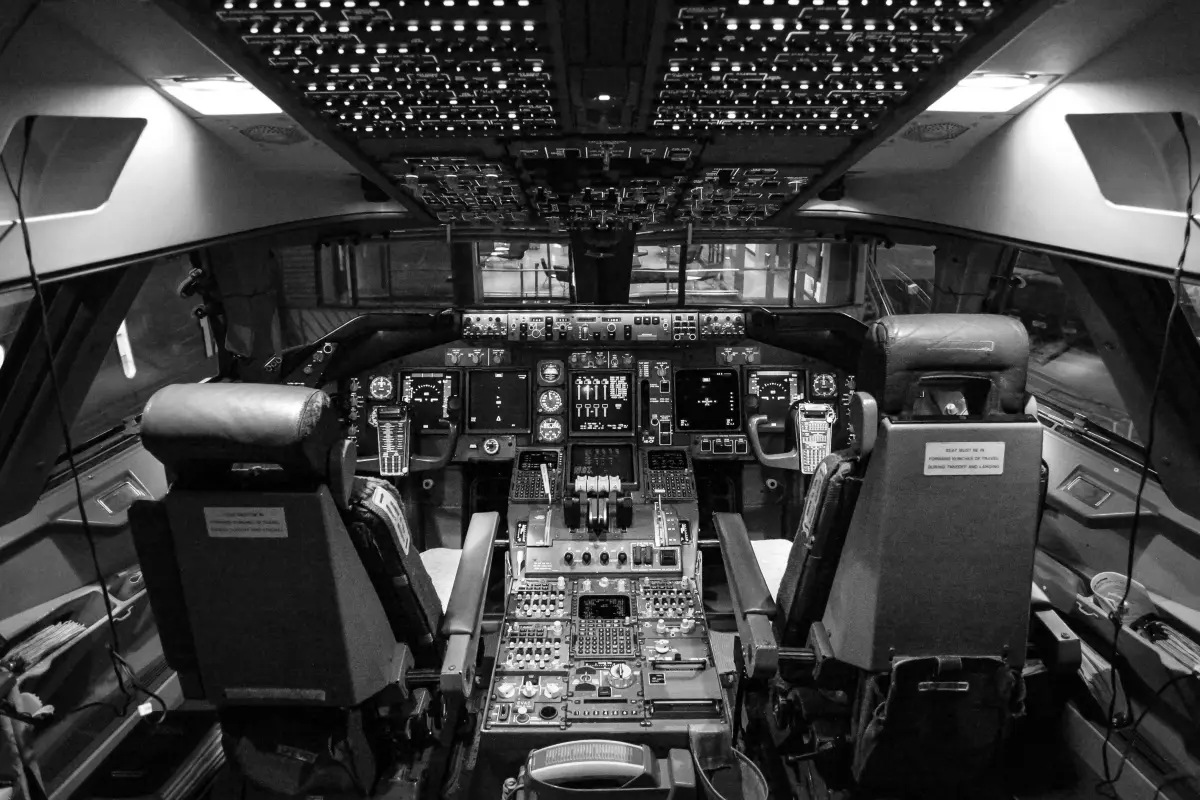
The FAA has issued a final rule requiring new aircraft to have 25-hour cockpit voice recorders, aligning U.S. standards with international safety norms.
Key Takeaways
- •Mandates 25-hour Cockpit Voice Recorders (CVRs) for new aircraft, replacing the previous two-hour standard.
- •Aligns U.S. regulations with existing EASA and ICAO standards to enhance global safety harmonization.
- •Addresses NTSB concerns after at least 10 investigations since 2018 were hampered by overwritten CVR data.
- •Establishes a phased compliance timeline from 2025 to 2029, with a separate 2030 retrofit mandate for existing fleets.
The Federal Aviation Administration (FAA) has issued a final rule that mandates newly manufactured aircraft be equipped with Cockpit Voice Recorders (CVRs) capable of recording for 25 hours. This regulatory change significantly extends the previous two-hour requirement, a move long advocated for by safety investigators to prevent the loss of critical data during accident inquiries.
The rule, published in the Federal Register, aims to enhance aviation safety by ensuring that investigators have access to a complete flight's audio, even in incidents where reporting is delayed. The National Transportation Safety Board (NTSB) has repeatedly highlighted instances where crucial flight deck conversations were overwritten because the two-hour loop was insufficient. According to an NTSB statement, between 2018 and early 2024, at least 10 investigations were hampered by overwritten CVR data.
Background and Regulatory Harmonization
The push for extended CVR duration gained urgency following several high-profile incidents. The NTSB's investigation into the January 5, 2024, door plug blowout on Alaska Airlines Flight 1282 was hindered because the CVR was overwritten. Similarly, the 2017 near-miss at San Francisco International Airport involving Air Canada Flight 759 also resulted in lost audio, prompting the NTSB's formal recommendation in 2018 for a 25-hour mandate.
This new FAA rule brings the United States into alignment with international standards set by the European Union Aviation Safety Agency (EASA) and the International Civil Aviation Organization (ICAO). EASA has required 25-hour CVRs on large commercial aircraft manufactured after January 1, 2021. The FAA's action represents a critical step in global regulatory harmonization, ensuring consistent safety protocols for aircraft operating worldwide.
Industry Impact and Stakeholder Reactions
The mandate affects a wide range of aviation stakeholders. Aircraft manufacturers like Boeing and Airbus must now integrate the new CVRs into their production lines. Airlines will face the cost of equipping new aircraft, with the FAA estimating the incremental cost difference between 2-hour and 25-hour units at approximately $5,209 per aircraft. While the final rule primarily targets newly built planes, the 2024 FAA Reauthorization Act separately mandates a retrofit of existing fleets by 2030, a significant logistical and financial undertaking for Part 121 operators.
Safety bodies have lauded the change. NTSB Chair Jennifer Homendy has emphasized that overwritten CVRs are "a loss for FAA and a loss for safety." However, pilot unions have voiced significant opposition. The Air Line Pilots Association (ALPA) has expressed strong reservations, citing privacy concerns. Union representatives argue that without stringent protections, the extended recordings could be used for punitive disciplinary actions unrelated to safety investigations, potentially eroding trust between pilots and management. This perspective is detailed by industry groups like the National Business Aviation Association.
Technical Comparison: CVR Standards
The transition involves more than just recording time; it represents a technological shift from older systems to high-capacity solid-state memory.
| Metric | New FAA/EASA Standard | Previous FAA Standard |
|---|---|---|
| Recording Duration | 25 hours | 2 hours |
| Technology | High-capacity solid-state memory | Older solid-state or magnetic loops |
What Comes Next
The FAA has established a phased timeline for compliance, detailed in Federal Register 2026-02110. The deadlines vary based on aircraft size and operation type:
- May 16, 2025: Compliance required for newly manufactured transport aircraft operating under Part 121 or configured with 30 or more passenger seats.
- February 2, 2027: Deadline for new aircraft with 20-29 passenger seats and a Maximum Certificated Takeoff Weight (MCTOW) of 59,525 lbs or more.
- February 2, 2029: Deadline for new aircraft with a MCTOW of 59,524 lbs or less.
- 2030: The 2024 FAA Reauthorization Act sets this year as the deadline for retrofitting existing Part 121 aircraft with 25-hour CVRs.
Why This Matters
This regulatory update is a pivotal moment for U.S. aviation safety. By ensuring that a complete record of flight deck audio is available for accident investigations, the FAA and NTSB can more effectively identify root causes and implement preventative measures. While privacy concerns remain a valid point of contention, the rule marks a fundamental shift toward data-driven safety analysis and aligns U.S. aviation with global best practices.
Frequently Asked Questions
- Why did the FAA increase the cockpit voice recorder time to 25 hours?
- The FAA mandated 25-hour CVRs to prevent critical audio data from being overwritten, a problem that hampered at least 10 NTSB investigations since 2018. This change, prompted by incidents like the Alaska Airlines 1282 blowout, aligns U.S. regulations with international standards set by EASA and ICAO.
- When does the new 25-hour CVR rule take effect for airlines?
- The rule is phased in. For newly manufactured large transport aircraft, compliance begins on May 16, 2025. Smaller new aircraft have deadlines in 2027 and 2029, while the 2024 FAA Reauthorization Act requires existing commercial fleets to be retrofitted by 2030.
- What are the privacy concerns with 25-hour CVRs?
- Pilot unions, such as the Air Line Pilots Association (ALPA), have expressed concerns that 25 hours of continuous flight deck audio could be misused for disciplinary actions unrelated to safety. They argue for strict protections to ensure the recordings are used exclusively for accident and incident investigation.
omniflights.com provides comprehensive commercial aviation news covering airlines, aircraft, and airports. For reporting on UAP sightings, investigations, and aviation-related encounters, see the UAPs section at omniflights.com/uaps.

Written by Hardik Vishwakarma
Co-Founder & Aviation News Editor leading initiatives that improve trust and visibility across the global aviation industry. Covers airlines, airports, safety, and emerging technology.
Visit ProfileYou Might Also Like
FlyDubai Flight FZ1073: Captain Stabbing Under Investigation

Flydubai FZ1073 Hijacking Thwarted After Cockpit Attack

EASA Grounds Elixir Aircraft Fleet After Fatal French Crash
FlyDubai Flight 1073 Attacker Studied at UK University

Flydubai FZ1073: Co-pilot Used Axe in Hijacking Attempt