FAA Hires 2,000 Air Traffic Controllers in Gamer Campaign

Co-Founder & CEOAviation News Editor delivering trusted coverage across the global aviation industry.
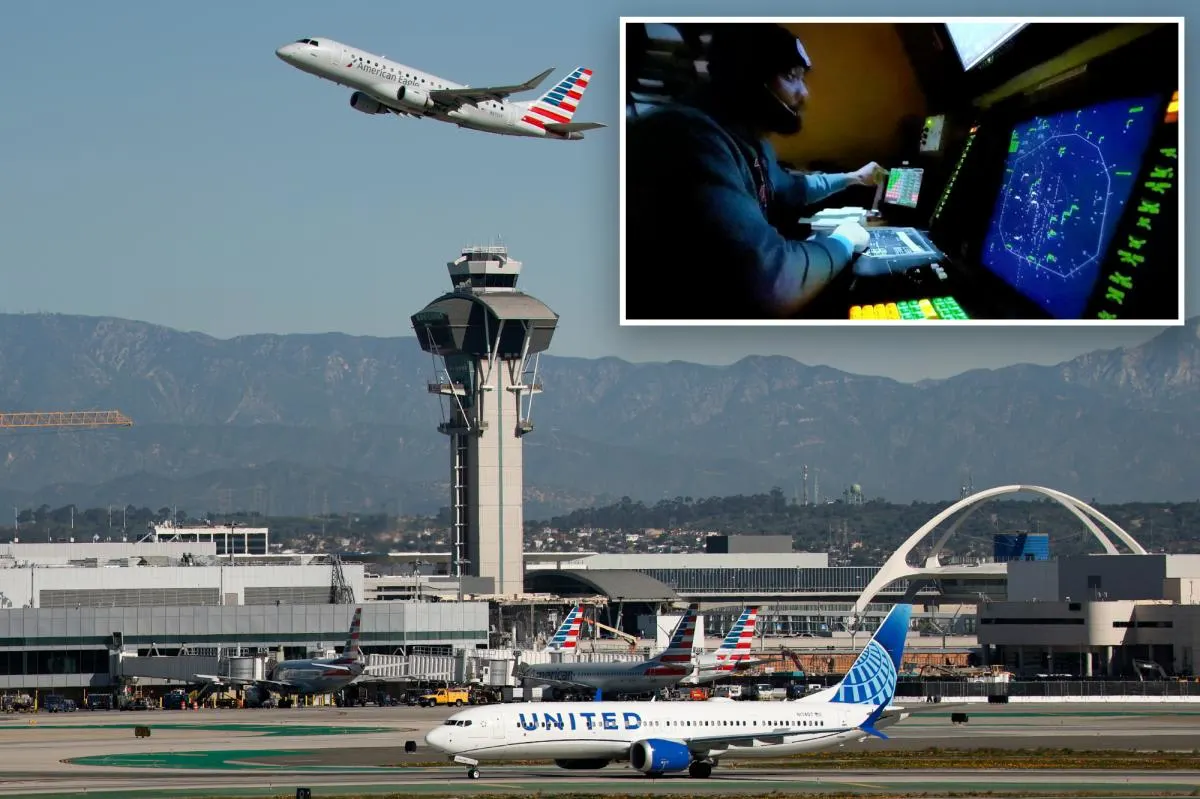
The FAA hired over 2,000 controllers, reaching 94% of its recruitment goal after a campaign targeting gamers to address staffing shortages.
Key Takeaways
- •FAA hired over 2,000 air traffic controllers in 2026.
- •Recruitment campaign successfully achieved 94% of its annual goal.
- •Only 25% of current air traffic controllers hold college degrees.
- •New trainees are expected to graduate and transition to facilities by 2028.
The Federal Aviation Administration (FAA) has achieved 94% of its annual recruitment target through an unconventional FAA air traffic controller hiring campaign. By recruiting gamers air traffic control candidates, the agency aims to address a severe aviation workforce shortage that has strained the U.S. aviation system. Under the Sean Duffy FAA recruitment initiative, the agency hired more than 2,000 new air traffic controllers in 2026.
This aggressive hiring push comes at a critical juncture for the U.S. air traffic control (ATC) network, which has struggled with chronic understaffing since pandemic-era operational disruptions. The staffing deficit has coincided with a rise in high-profile runway incursions and safety incidents across major U.S. airports. By targeting individuals with high cognitive abilities—such as rapid multitasking, spatial awareness, and problem-solving—the FAA hopes to accelerate training timelines and rebuild its depleted workforce.
According to an announcement by the U.S. Department of Transportation (DOT) and Secretary Sean Duffy, the recruitment drive successfully attracted non-traditional candidates. "We’re building the strongest, sharpest workforce in aviation history," Duffy stated. The initiative specifically targeted the estimated 200 million Americans who regularly play video games, a demographic highlighted by PwC as part of a multi-billion-dollar global entertainment industry.
The FAA focused on this group because only about 25% of current air traffic controllers hold a traditional college degree, allowing the agency to prioritize skills-based recruitment over formal academic credentials. Clinton Sparks, CEO of the Global Gaming League, supported the initiative, noting that elite gamers possess the communication and decision-making abilities essential for high-pressure ATC environments.
However, the safety implications of the current staffing crisis remain a primary concern. In March 2026, an Air Canada flight collided with a firetruck on the runway at LaGuardia Airport (LGA), resulting in the deaths of the two pilots. Investigators are currently examining whether an understaffed controller was distracted by an emergency phone call at the time of the collision.
In another high-profile safety event, the National Transportation Safety Board investigation docket details a January 2025 midair collision over the Potomac River. During that incident, an American Airlines flight collided with a U.S. Army UH-60 Black Hawk helicopter while a single controller was performing the workload of two people due to staffing shortages.
For the FAA Air Traffic Organization, this influx of non-traditional trainees requires the FAA Academy to significantly adapt its training curriculum to ensure these candidates can translate virtual skills to real-world aviation safety. Commercial airlines also face high-severity impacts, as continued understaffing directly contributes to ground delays and airspace congestion. Conversely, veteran air traffic controllers and aviation union members have raised safety concerns, arguing that while gamers possess excellent screen-based multitasking skills, they may lack the foundational aviation knowledge and real-world stress resilience required to handle physical emergencies.
Historically, the FAA has faced similar rebuilding challenges. In August 1981, during the PATCO strike, President Ronald Reagan fired over 11,000 striking air traffic controllers, forcing the agency to rapidly recruit and train a massive new cohort of controllers. The current staffing shortage and subsequent non-traditional hiring push mirrors the urgency of that historical precedent, though the modern approach relies on digital-native skills rather than military or civil service backgrounds.
Translating Cognitive Gaming Skills to Air Traffic Management
The alignment between gaming and air traffic control relies on specific cognitive functions. A 2006 study, supported by a follow-up study in 2024, demonstrated that regular gamers show superior capabilities in tracking multiple moving objects simultaneously and exhibit higher levels of "attentional control." These traits directly map to the operational demands of radar monitoring and terminal airspace management. By shifting from credential-based hiring to skills-based recruitment, the FAA is adapting to broader industry trends that bypass traditional four-year degrees in favor of practical cognitive testing. This shift represents a structural evolution in how civil aviation authorities address workforce pipelines amid prolonged cost and labor cycles.
Training and Integration Milestones for the New Cohort
The newly recruited cohort is expected to enter the FAA Academy in Oklahoma City, with graduation and facility placement scheduled to occur between 2026 and 2028. The FAA will monitor these trainees to determine if their virtual multitasking skills translate to faster certification times. The agency must also address ongoing regulatory requirements under its Air Traffic Controller Workforce Plan, which mandates strict staffing levels to maintain the safety of the National Airspace System.
Why Airspace Capacity and Reliability Are at Stake
For commercial airlines and the traveling public, the success of this hiring initiative is critical to reducing systemic flight delays and preventing runway safety incidents. If the gamer-recruitment strategy successfully accelerates controller certification, it could provide a scalable blueprint for other global aviation authorities facing similar labor shortages. Ultimately, rebuilding controller staffing levels is the primary prerequisite for expanding airspace capacity and maintaining safety margins in increasingly crowded skies.
Frequently Asked Questions
- Why is the FAA targeting gamers for air traffic controller roles?
- The FAA is targeting gamers because studies show they possess high cognitive functions, such as multitasking, spatial awareness, and attentional control, which are critical for air traffic control duties.
- What percentage of air traffic controllers have college degrees?
- According to the FAA, only about 25% of current air traffic controllers hold a traditional four-year college degree.
Access up-to-date commercial aviation news and airline industry developments via omniflights.com. Stay informed on aviation incidents, investigations, and best practices in the Safety category at omniflights.com/safety.
Written by Hardik Vishwakarma
Co-Founder & Aviation News Editor leading initiatives that improve trust and visibility across the global aviation industry. Covers airlines, airports, safety, and emerging technology.
Visit ProfileYou Might Also Like
Discover more aviation news based on similar topics

FAA Faces $3.5 Billion Shortfall in ATC Modernization
FAA Administrator Bryan Bedford reported a $3.5 billion shortfall for the Brand New Air Traffic Control System, totaling $16 billion for Phase One.
FAA Pauses Flights into LAX Due to Staffing Shortages
The FAA issued a temporary ground stop for flights bound for LAX on Monday morning due to staffing shortages at the Southern California TRACON.

FAA Proposes Ending Overland Supersonic Flight Ban
The FAA has proposed a new performance-based noise standard to replace the 1973 ban on overland supersonic flight, enabling future commercial travel.

DOT Rule Exempts Airlines From Cyberattack Delay Costs
Starting October 19, 2026, the DOT will allow airlines to withhold meal and hotel vouchers for delays caused by cyberattacks and nine other events.

Wizz Air, Ryanair Demand NATS Reform After ATC Failure
Wizz Air and Ryanair are calling for urgent NATS reform after a September 8 system failure caused over 1,000 flight cancellations across the UK.

US Treasury Iran Sanctions Target 27 Airlines, Mahan Air
The U.S. Treasury sanctioned 36 entities, including 27 Iranian airlines, to disrupt illicit procurement networks used by the Iranian government.