FAA Proposes Ending Overland Supersonic Flight Ban

Co-Founder & CEOAviation News Editor delivering trusted coverage across the global aviation industry.
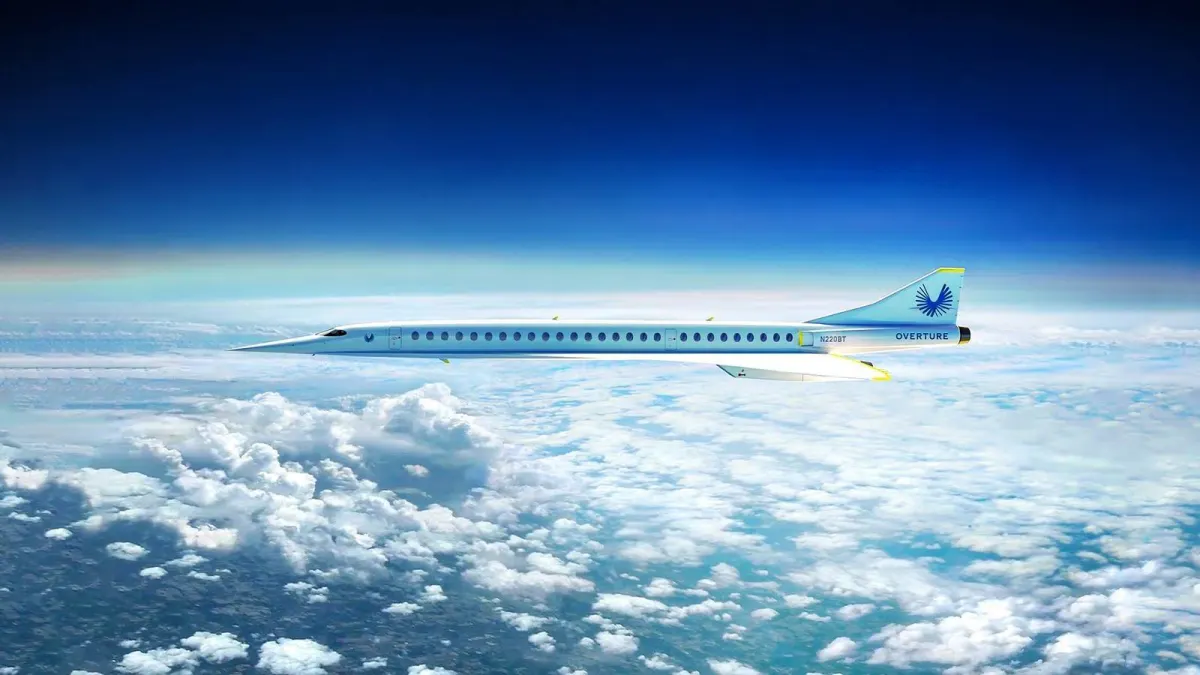
The FAA has proposed a new performance-based noise standard to replace the 1973 ban on overland supersonic flight, enabling future commercial travel.
Key Takeaways
- •FAA proposes replacing the 1973 overland supersonic flight ban.
- •New rule caps sonic boom overpressure at 0.11 psf.
- •Boom Supersonic holds 130 conditional orders from major airlines.
- •Targeted Entry Into Service for Overture is 2029 to 2030.
Regulatory Shift Toward Supersonic Flight
The Federal Aviation Administration (FAA) has advanced regulatory plans to replace the longstanding speed-based supersonic overland flight ban with a performance-based noise standard, aligning with major airline orders. The Enabling Supersonic Overland Flight - Federal Register document details the agency's move to repeal the 53-year-old 14 CFR 91.817 restriction. This regulation previously prohibited civil aircraft from exceeding Mach 1 over U.S. territory. The proposed rule mandates that any supersonic operation must maintain a sonic boom overpressure of 0.11 pounds per square foot (psf) or less at ground level.
This regulatory pivot follows Executive Order 14304, signed in June 2025, which directed the agency to establish an interim noise-based certification standard. FAA Administrator Bryan Bedford noted that advancements in aerospace engineering and materials science now allow for the mitigation of sonic booms, potentially enabling the return of civil supersonic transport over land.
Commercial Implications and Airline Orders
The shift in policy provides a clear pathway for manufacturers and carriers to finalize plans for commercial supersonic air travel. Boom Supersonic currently holds an order book of approximately 130 conditional purchases and options from major carriers, including United Airlines, American Airlines, and Japan Airlines. As documented in United Airlines Holdings, Inc. Form 8-K, these commercial agreements are contingent on a viable regulatory framework for overland operations. For these airlines, the rule change allows for the strategic planning of high-speed, premium route networks that were previously economically unviable.
Historical Context and Technical Innovation
The current proposal contrasts sharply with the 1964 Operation Bongo II tests in Oklahoma City. During that event, 1,253 sonic booms were generated, resulting in 15,000 public complaints and property damage claims. This historical precedent directly fueled the 1973 ban. To overcome these past challenges, industry players are utilizing Mach cutoff flight techniques and boomless cruise technology to refract shockwaves upwards. These innovations were recently demonstrated by the NASA X-59 QueSST program, which achieved Mach 1.4 at 55,000 feet in June 2026.
Boom Overture vs. Aérospatiale/BAC Concorde
| Metric | Boom Overture | Aérospatiale/BAC Concorde |
|---|---|---|
| Cruise Speed | Mach 1.7 | Mach 2.04 |
| Passenger Capacity | 64 to 80 | 92 to 128 |
| Range | 4,250 nmi | 3,900 nmi |
The Technical Challenges of Noise Mitigation
The technical analysis of the proposed 0.11 psf limit suggests a complex operational environment. While manufacturers focus on reducing peak overpressure, the Air Line Pilots Association (ALPA) has expressed skepticism regarding the feasibility of sustaining Mach cutoff operations. Because the cutoff condition varies dynamically with atmospheric layering, winds, and altitude, maintaining this state for an entire commercial flight remains a significant engineering hurdle. Furthermore, environmental advocacy groups have argued that the 0.11 psf threshold may not fully address human perception of sonic boom frequency, potentially leading to continued community pushback.
Certification and Entry Into Service
The FAA expects to finalize the en-route supersonic noise rules and takeoff/landing standards by mid-2027. Following the establishment of these standards, the industry is targeting an Entry Into Service (EIS) for the Boom Overture between 2029 and 2030. These milestones are subject to ongoing regulatory review and the successful certification of new airframe designs.
Why This Matters for the Aviation Industry
This regulatory evolution signals a potential shift in the economics of long-haul commercial aviation. By relaxing the speed restrictions that historically limited the viability of the Concorde, the industry is positioning itself for a new era of high-speed transit. For stakeholders, the transition from speed-based to performance-based standards represents a fundamental change in how aircraft certification is approached, prioritizing noise impact over raw velocity.
Frequently Asked Questions
- What is the new noise limit for overland supersonic flight proposed by the FAA?
- The FAA's proposed rule would allow supersonic operations over land provided the sonic boom overpressure at the surface remains below 0.11 pounds per square foot (psf).
- When is the Boom Overture expected to enter commercial service?
- Boom Supersonic is currently targeting an entry into service for the Overture supersonic airliner between 2029 and 2030, pending regulatory approval.
Visit omniflights.com for the latest commercial aviation news and airline industry updates. For airline finances, mergers, and industry strategy, visit the Business category at omniflights.com/business.
Written by Hardik Vishwakarma
Co-Founder & Aviation News Editor leading initiatives that improve trust and visibility across the global aviation industry. Covers airlines, airports, safety, and emerging technology.
Visit ProfileYou Might Also Like
Discover more aviation news based on similar topics

DOT Rule Exempts Airlines From Cyberattack Delay Costs
Starting October 19, 2026, the DOT will allow airlines to withhold meal and hotel vouchers for delays caused by cyberattacks and nine other events.

Wizz Air, Ryanair Demand NATS Reform After ATC Failure
Wizz Air and Ryanair are calling for urgent NATS reform after a September 8 system failure caused over 1,000 flight cancellations across the UK.

US Treasury Iran Sanctions Target 27 Airlines, Mahan Air
The U.S. Treasury sanctioned 36 entities, including 27 Iranian airlines, to disrupt illicit procurement networks used by the Iranian government.
FAA Awards $481M in Airport Infrastructure Grants
The FAA announced $481 million in infrastructure grants across 191 U.S. airports to improve runways, terminals, and overall capacity.
FAA Air Traffic Controllers Protest Pay and Staffing Cuts
The FAA is withholding a 2.8% pay raise for air traffic controllers, exacerbating morale and safety concerns amid a critical nationwide staffing shortage.

NANTA Challenges Foreign Airlines Over Dollar-Only Sales
NANTA is pressuring foreign airlines to end dollar-only ticket sales, citing NCAA regulations and the exclusion of local travel agencies.