FAA Mandates Inspections for Nearly 2,000 Boeing 737NG Jets

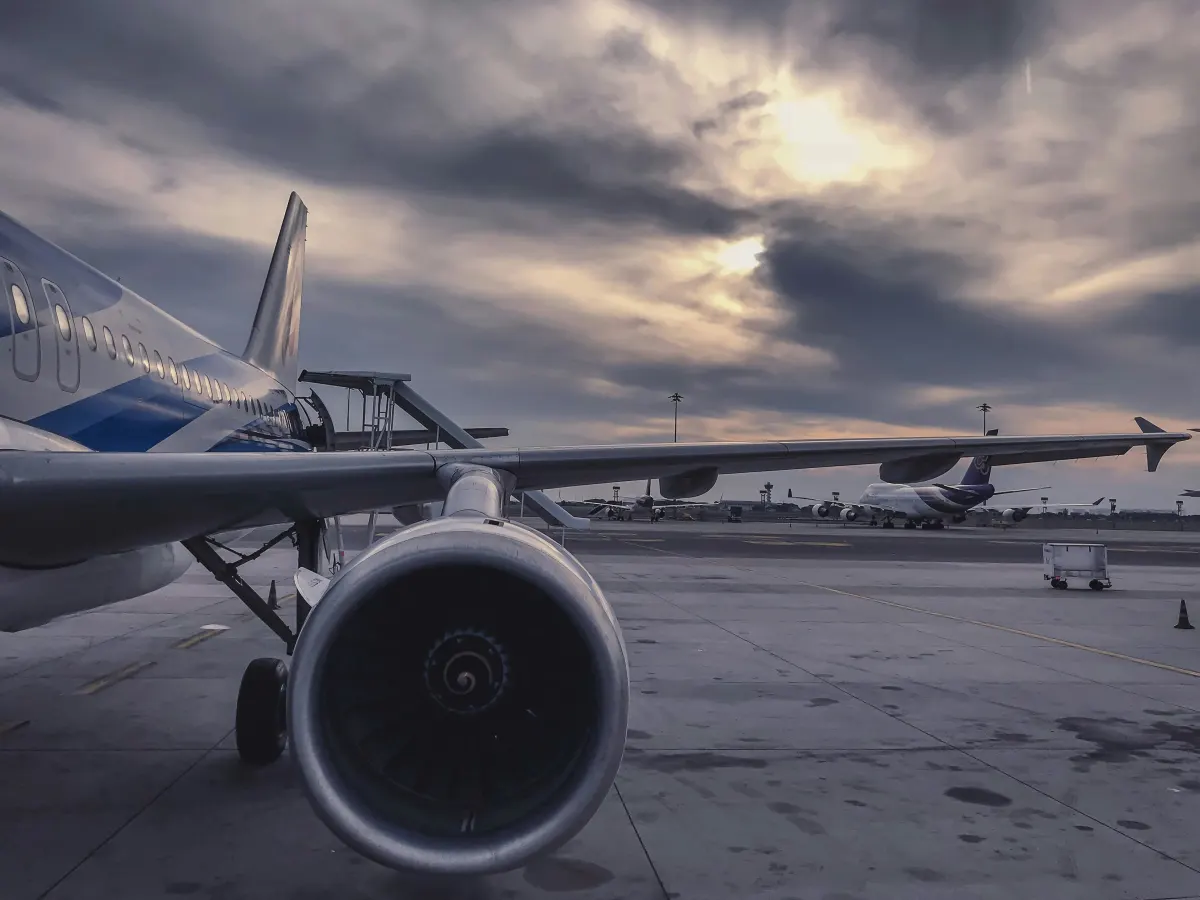
The FAA issued an Airworthiness Directive requiring horizontal stabilizer inspections on nearly 2,000 US-registered Boeing 737NG aircraft.
Key Takeaways
- •FAA mandates horizontal stabilizer inspections for 1,987 Boeing 737NG aircraft.
- •The directive addresses potential pitch oscillation and loss-of-control risks.
- •Inspections require roughly 6 work-hours, costing about $510 per aircraft.
- •Compliance tracking for the new rule begins on November 23, 2026.
The Federal Aviation Administration (FAA) has published a new Airworthiness Directive (AD), designated AD 2026-20-14, which mandates critical inspections for the horizontal stabilizer assemblies on nearly 2,000 Boeing 737 Next Generation (737NG) aircraft currently operating within the United States. According to the regulatory filing, the directive is intended to mitigate risks associated with potential pitch oscillation and the subsequent loss of aircraft control, a hazard stemming from excessive mechanical wear.
Regulatory Requirements and Scope
As detailed in the Federal Register, the mandate applies to 1,987 US-registered aircraft. The FAA requires operators to measure the freeplay of the horizontal stabilizer pivot hinges and the jackscrew assembly. Should these measurements exceed specified tolerances, operators must perform necessary on-condition repairs. This regulatory action effectively elevates previous service bulletin recommendations issued by Boeing in 2025 to the status of mandatory compliance. The directive is scheduled to become effective on November 23, 2026.
Operational and Financial Impact
The FAA estimates that the required inspections will necessitate approximately 6 work-hours per aircraft. With an estimated labor cost of roughly $510 per unit, the total projected cost for the US fleet is approximately $1.01 million. Operators of the 737NG—which include major carriers such as United, American, Delta, and Southwest—must now integrate these procedures into their maintenance schedules. While the financial burden per aircraft is considered low, the logistical requirement to inspect nearly 2,000 units requires significant coordination to manage potential downtime and any necessary component replacements.
Safety Context and Historical Precedent
The focus on the horizontal stabilizer jackscrew assembly highlights the FAA's ongoing scrutiny of structural wear in aging narrowbody fleets. The mechanical assembly is essential for controlling the aircraft's pitch. The importance of this component was underscored by the fatal crash of Alaska Airlines Flight 261 on January 31, 2000, which resulted in 88 fatalities. That accident was attributed to the catastrophic loss of pitch control caused by the failure of a horizontal stabilizer jackscrew assembly, an event that led to sweeping industry-wide changes in lubrication and inspection protocols. By mandating these inspections, the FAA seeks to prevent the recurrence of such failures by addressing cumulative wear before it reaches a critical state. Airworthiness Directives; The Boeing Company Airplanes.
Frequently Asked Questions
- What is the primary safety concern behind the new Boeing 737NG inspection mandate?
- The FAA issued the directive to mitigate potential pitch oscillation and loss-of-control risks caused by excessive wear in the horizontal stabilizer pivot hinges and jackscrew assembly.
- When does the new Airworthiness Directive take effect for operators?
- The compliance tracking for the new Airworthiness Directive 2026-20-14 is scheduled to begin on November 23, 2026.
Get breaking commercial aviation news and expert airline analysis at omniflights.com. From aircraft production to supply chains, commercial aviation manufacturing news is covered at omniflights.com/manufacturing.

Written by Hardik Vishwakarma
Co-Founder & Aviation News Editor leading initiatives that improve trust and visibility across the global aviation industry. Covers airlines, airports, safety, and emerging technology.
Visit ProfileYou Might Also Like

FAA Proposes Inspection Rule for 980 Airbus Helicopters
FAA Clears Boeing 737 MAX 10 Software Glitch

FAA Faces $3.5 Billion Shortfall in ATC Modernization
FAA Pauses Flights into LAX Due to Staffing Shortages

FAA Proposes Ending Overland Supersonic Flight Ban
