FAA & DoD Formalize UAP Reporting Protocols for US Commercial Aviation

Co-Founder & CEOAviation News Editor delivering trusted coverage across the global aviation industry.
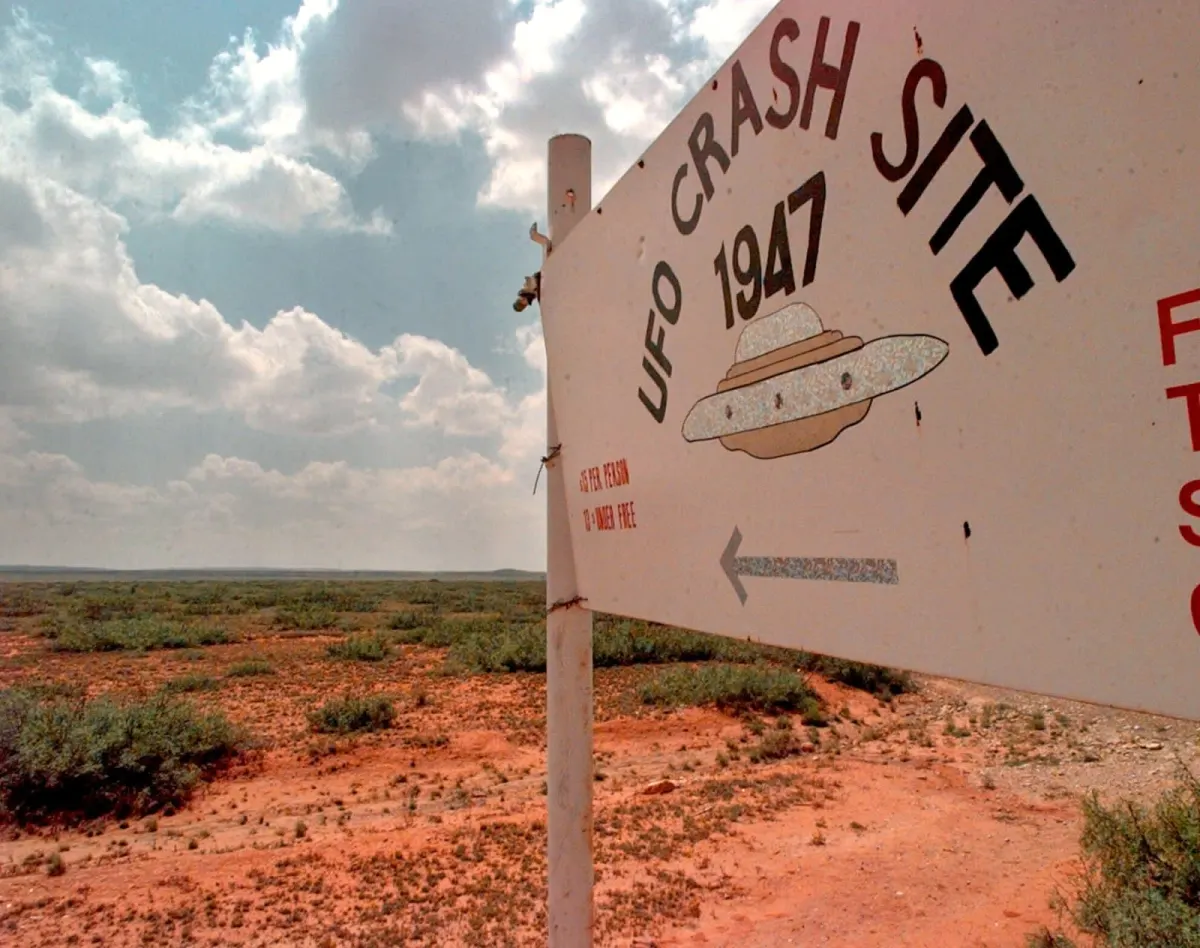
US agencies have formalized UAP reporting, providing pilots with official channels to log anomalies and improve national security data collection.
Key Takeaways
- •Formalizes UAP reporting through new FAA and DoD protocols for commercial pilots.
- •Integrates pilot sightings into national security data collection via the All-domain Anomaly Resolution Office (AARO).
- •Leverages NASA for scientific, data-driven analysis, shifting focus from anecdotal accounts.
- •Follows historical programs like Project Blue Book, which logged over 12,600 reports between 1947 and 1969.
The United States government is formalizing protocols for Unidentified Anomalous Phenomena (UAP) sightings, shifting a topic long associated with fiction into a structured component of aviation safety and national security. New directives from the Federal Aviation Administration (FAA) and the Department of Defense (DoD) have created official, destigmatized channels for commercial pilots to report unusual observations, directly addressing the American UFO saga through regulated data collection. This move integrates pilot sightings into a national framework managed by the All-domain Anomaly Resolution Office (AARO), which received 757 UAP reports for its 2024 consolidated report.
The operational impact of this shift is significant for aircrews and air traffic controllers. For decades, pilots often hesitated to report anomalous sightings for fear of professional repercussions or questions about their medical fitness. The new framework, outlined in FAA Notice N JO 7210.970, replaces the term 'UFO' with 'UAP' and establishes a clear procedure: pilots report to Air Traffic Control (ATC), and controllers are mandated to notify the National Tactical Security Operations (NTSO) Air Traffic Security Coordinator. This procedural change, reinforced by federal law under 50 U.S.C. § 3373, treats UAP as a potential national security concern, compelling data sharing among agencies and fundamentally altering the process from anecdotal reporting to formal intelligence gathering.
Historical Context
Today's UAP government investigations stand on the shoulders of decades of prior efforts, most notably Project Blue Book. According to the U.S. National Archives, this U.S. Air Force program collected 12,618 UFO reports between 1947 and 1969, with 701 of those remaining 'unidentified' upon its termination. Project Blue Book was closed following the Condon Report, which concluded that further study was unlikely to yield significant scientific discoveries. This contrasts sharply with the current approach, which has been reinvigorated since the 2017 public disclosure of the Advanced Aerospace Threat Identification Program (AATIP), a secretive DoD program that ran from 2007 to 2012. AATIP's revelation bridged the gap between historical curiosity and the modern, formalized reporting structure.
A New Era of Data Collection
The current strategy emphasizes a scientific, unclassified approach to data collection. NASA has played a pivotal role in this transition, establishing an independent study team to explore how existing technology can be used to better understand UAP. The team's findings, detailed on the official NASA Unidentified Anomalous Phenomena Independent Study page, recommend leveraging Earth-observing satellites and commercial remote-sensing data to gather objective information. This reflects a broader industry trend toward data-driven analysis over witness testimony alone.
"The NASA independent study team did not find any evidence that UAP have an extraterrestrial origin," stated NASA Administrator Bill Nelson. "But we don't know what these UAP are." This sentiment underscores the government's current position: the focus is on identifying the phenomena, regardless of origin, using a rigorous, evidence-based methodology. While official channels are formalizing, alternative perspectives persist. According to former Air Force Intelligence Officer David Grusch, the government is concealing a technology reverse-engineering program. Meanwhile, advocacy groups like Americans for Safe Aerospace argue that the current FAA notices are insufficient and that pilots require stronger, statutory protections against retaliation.
What Comes Next
The framework for UAP analysis is expected to continue evolving. The Office of the Director of National Intelligence (ODNI) is expected to release its next Consolidated Annual Report on UAP in late 2026, which will provide updated statistics on reports collected by AARO. Additionally, legislative efforts may further solidify reporting requirements. The Safe Airspace for Americans Act has been reported as a potential bill in 2026-2027, though Congress has not confirmed a timeline for its introduction or passage. These milestones indicate a sustained effort to integrate UAP reporting into standard aerospace and defense operations.
Why This Matters
This systematic approach marks a pivotal change in how the aviation industry and U.S. government address unidentified phenomena in controlled airspace. By creating formal, non-punitive reporting channels and dedicating scientific resources through agencies like NASA and AARO, the focus shifts from speculation to data-centric aviation safety and security. For aviation professionals, this provides clarity and protection, while for national security, it ensures that potential threats are analyzed through a standardized and increasingly transparent process.
Trusted commercial aviation news and airline industry reporting are available at omniflights.com. Stay informed on aviation incidents, investigations, and best practices in the Safety category at omniflights.com/safety.
Written by Hardik Vishwakarma
Co-Founder & Aviation News Editor leading initiatives that improve trust and visibility across the global aviation industry. Covers airlines, airports, safety, and emerging technology.
Visit ProfileYou Might Also Like
Discover more aviation news based on similar topics

Trump Orders Release of 161 Declassified UAP Files
The Trump administration released 161 declassified UAP files via its new PURSUE portal, a move praised for transparency but criticized as a political ploy.

DOE Agent Death Sparks UAP Whistleblower Questions
The 2021 death of a DOE special agent is under new scrutiny following claims he planned to expose secret government UAP programs before he died.
Researcher Claims 4 Alien Species Recovered; Pentagon Denies
Physicist Hal Puthoff alleges the US recovered 4 alien species, sparking debate amid official Pentagon denials from its AARO UAP report.

Declassified FBI Files Detail Nazi Saucer Claims
The DoD has declassified 162 historical UAP files, which include unverified informant claims about Nazi flying saucers, under its PURSUE transparency plan.

Apollo 17 UAP Encounter Detailed in Declassified Files
The Pentagon released 162 declassified UFO files revealing the Apollo 17 crew's 1972 encounter with unexplained 'very bright particles' in lunar orbit.
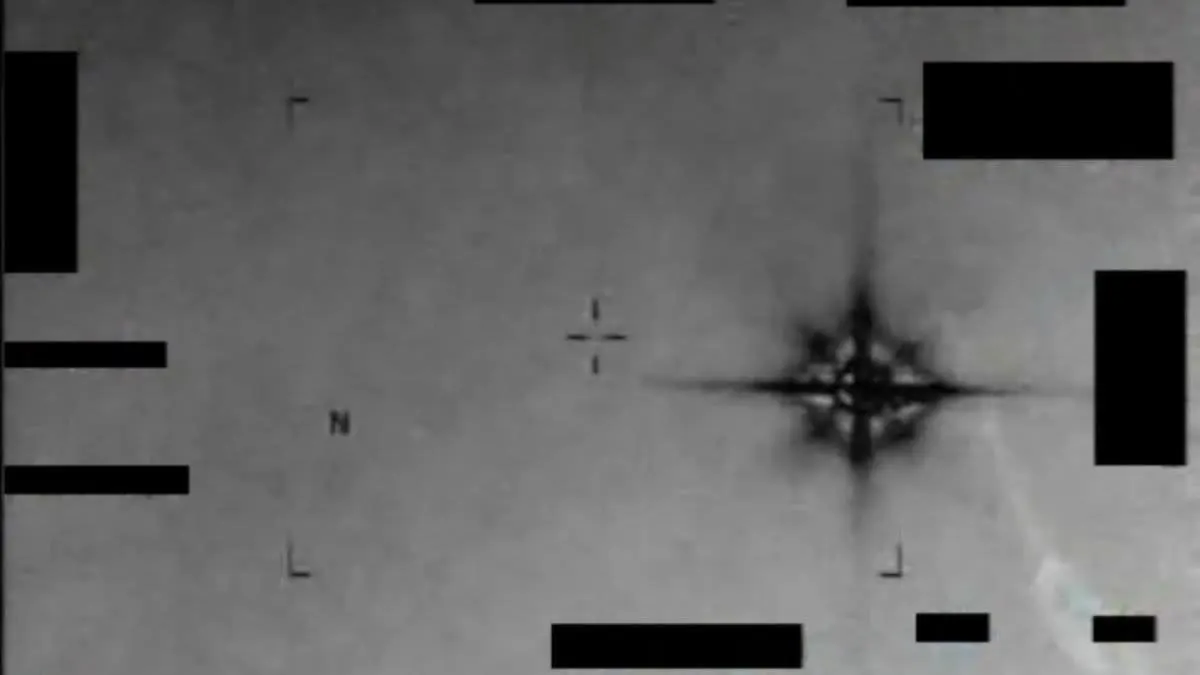
AARO Releases 2013 Star-Shaped UAP Video
The US government released 162 declassified UAP files, including a 2013 video of a star-shaped object that experts suggest is a sensor artifact.