DOE Agent Death Sparks UAP Whistleblower Questions

Co-Founder & CEOAviation News Editor delivering trusted coverage across the global aviation industry.
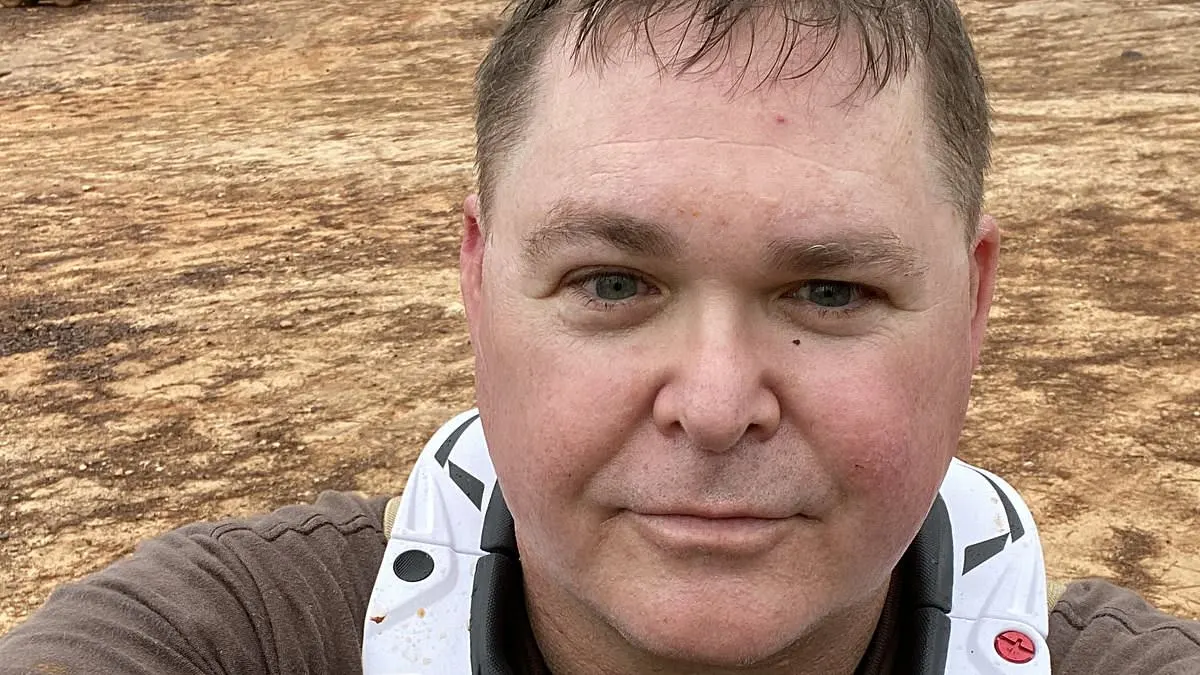
The 2021 death of a DOE special agent is under new scrutiny following claims he planned to expose secret government UAP programs before he died.
Key Takeaways
- •DOE agent's 2021 death linked to planned UAP testimony.
- •Case is part of a probe into 11+ missing aerospace scientists.
- •Former AFRL commander Maj. Gen. McCasland vanished in Feb. 2026.
- •Historical parallels drawn to Marconi scientists deaths in the 80s.
The unexplained 2021 death of a veteran Department of Energy (DOE) special agent is drawing renewed scrutiny amid claims he was preparing to provide whistleblower testimony to Congress regarding secret government programs on Unidentified Anomalous Phenomena (UAP). Kevin Childress, who served for 30 years as a special agent, died at his home on August 31, 2021, at the age of 56. His death resurfaces as federal authorities investigate a pattern of disappearances and deaths among missing aerospace scientists.
This development connects Childress’s case to a broader national security concern involving the welfare of personnel with high-level clearances. According to Luis Elizondo, former director of the Pentagon's Advanced Aerospace Threat Identification Program (AATIP), Childress was deeply concerned about the DOE's role in the UAP issue and felt the department was attempting to silence him. The case highlights a growing trend of whistleblowers coming forward as the US government slowly destigmatizes the study of anomalous aerospace events.
A Pattern of Disappearances
Elizondo, speaking on a recent episode of Crime Stories with Nancy Grace, stated he was actively arranging for Childress to testify before lawmakers prior to his death. The agent's official obituary notably mentioned his "desire to bring open conversations surrounding Unidentified Aerial Phenomena." Childress spent over two decades as a criminal investigator stationed at the DOE's Savannah River Site in South Carolina, a key facility for producing tritium for the US nuclear arsenal and a location with a documented history of UAP sightings dating back to the 1950s.
The concerns surrounding Childress's death are amplified by their context within a larger series of incidents. The US House Oversight Committee is reportedly reviewing the cases of at least 11 to 16 scientists and contractors linked to sensitive research who have recently disappeared or died under unclear circumstances. These include:
- Amy Eskridge: An advanced propulsion engineer who was researching anti-gravity technology. She died by suicide in June 2022 after reportedly claiming she feared for her life due to her work.
- Maj. Gen. William Neil McCasland: A retired US Air Force general and former commander of the Air Force Research Laboratory (AFRL), who disappeared from his home on February 27, 2026. Elizondo described McCasland as a "lynchpin" for many of the military's advanced "black projects."
Elizondo emphasized that these individuals held top-tier security clearances, including for Sensitive Compartmented Information (SCI), which is why the FBI is involved in what he termed "national level cases."
Historical Context and Industry Impact
This string of events is not without historical precedent. The situation draws parallels to the "Marconi scientists deaths" between 1982 and 1990, when over two dozen British defense researchers died in a series of accidents and suicides. While official inquiries found no evidence of foul play, the cluster of deaths fueled widespread speculation of a targeted campaign. A more direct case was the March 1990 assassination of aerospace engineer Gerald Bull, whose work on a "supergun" for Iraq made him a high-value target.
The current situation is creating a potential chilling effect on recruitment and collaboration for personnel in advanced research sectors, according to the stakeholder impact analysis. For Congressional Oversight Committees, the events have increased pressure on the FBI and other agencies to investigate thoroughly and accelerate the declassification of UAP-related documents, a process managed by the Pentagon's All-domain Anomaly Resolution Office (AARO). The US Department of Energy (DOE) itself faces heightened scrutiny over its handling of internal whistleblower complaints and the security of its personnel at sensitive nuclear sites.
Alternative Perspectives and What Comes Next
While Elizondo and others suggest a coordinated effort, alternative theories have been proposed. Some analysis, including from Skeptic Magazine, suggests the cluster of deaths could be a statistical coincidence amplified by online pattern-seeking. Another perspective, voiced by figures like US Representative Eric Burlison, posits that the disappearances could be the work of foreign intelligence operations aiming to disrupt US research into advanced aerospace propulsion at institutions like the Air Force Research Laboratory (AFRL).
Federal authorities are actively investigating. According to predictive milestones from the House Oversight Committee, the initial findings from the federal investigation into the missing scientists are expected in late 2026. This probe is part of a wider legislative and operational framework established by Congress and the All-domain Anomaly Resolution Office (AARO) to encourage and protect whistleblowers disclosing classified information on aerospace threats.
Why This Matters
This series of events transcends the speculative nature of UAP research, touching upon critical issues of national security. The primary concern is the physical safety of the nation's leading scientific and defense personnel, whose work is vital to maintaining a technological edge. The integrity of whistleblower protection programs and the transparency of government agencies like the DOE are also under a microscope as Congress demands answers.
Frequently Asked Questions
- Who was Kevin Childress and why is his death being re-examined?
- Kevin Childress was a 30-year Special Agent for the US Department of Energy who died unexpectedly in August 2021. His death is being re-examined after claims he was preparing to testify before Congress about the DOE's secret involvement with Unidentified Anomalous Phenomena (UAPs).
- What is the 'missing scientists' phenomenon?
- It refers to a series of at least 11 unexplained deaths and disappearances since 2021 involving scientists and contractors in the US aerospace, defense, and nuclear sectors. High-profile cases include researcher Amy Eskridge and retired Air Force General William Neil McCasland.
omniflights.com provides comprehensive commercial aviation news covering airlines, aircraft, and airports. Track policy changes, airspace rules, and global aviation governance in the Regulatory category at omniflights.com/regulatory.
Written by Hardik Vishwakarma
Co-Founder & Aviation News Editor leading initiatives that improve trust and visibility across the global aviation industry. Covers airlines, airports, safety, and emerging technology.
Visit ProfileYou Might Also Like
Discover more aviation news based on similar topics

Trump Orders Release of 161 Declassified UAP Files
The Trump administration released 161 declassified UAP files via its new PURSUE portal, a move praised for transparency but criticized as a political ploy.
Researcher Claims 4 Alien Species Recovered; Pentagon Denies
Physicist Hal Puthoff alleges the US recovered 4 alien species, sparking debate amid official Pentagon denials from its AARO UAP report.

Declassified FBI Files Detail Nazi Saucer Claims
The DoD has declassified 162 historical UAP files, which include unverified informant claims about Nazi flying saucers, under its PURSUE transparency plan.
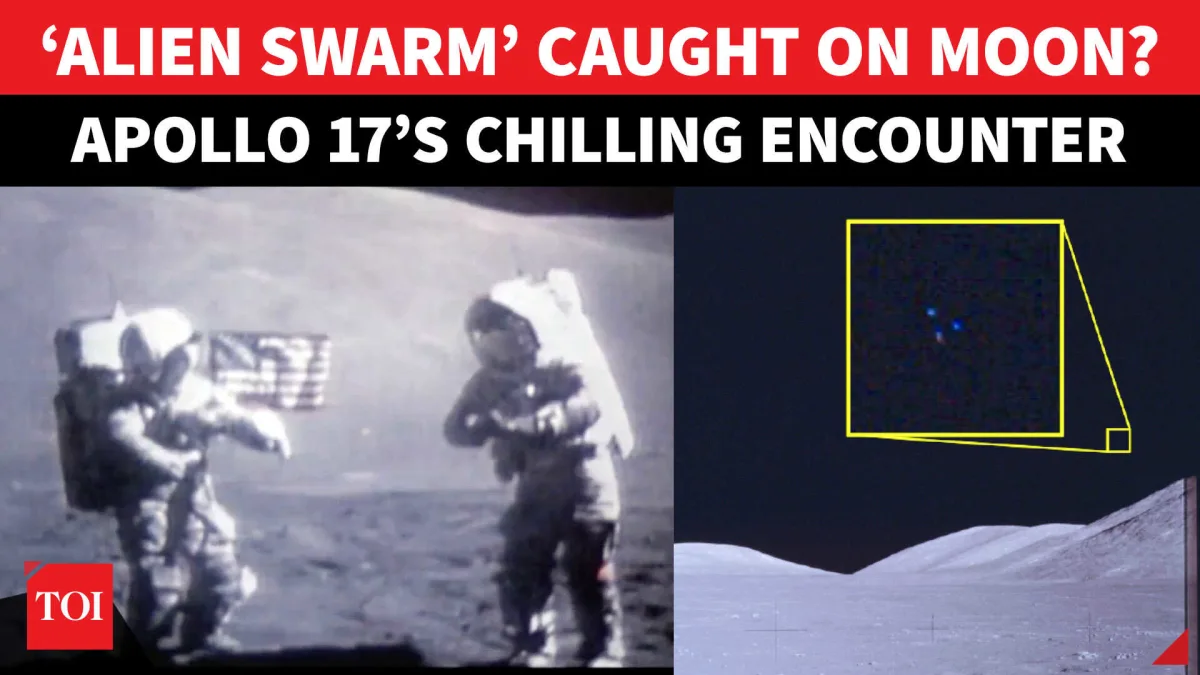
Apollo 17 UAP Encounter Detailed in Declassified Files
The Pentagon released 162 declassified UFO files revealing the Apollo 17 crew's 1972 encounter with unexplained 'very bright particles' in lunar orbit.
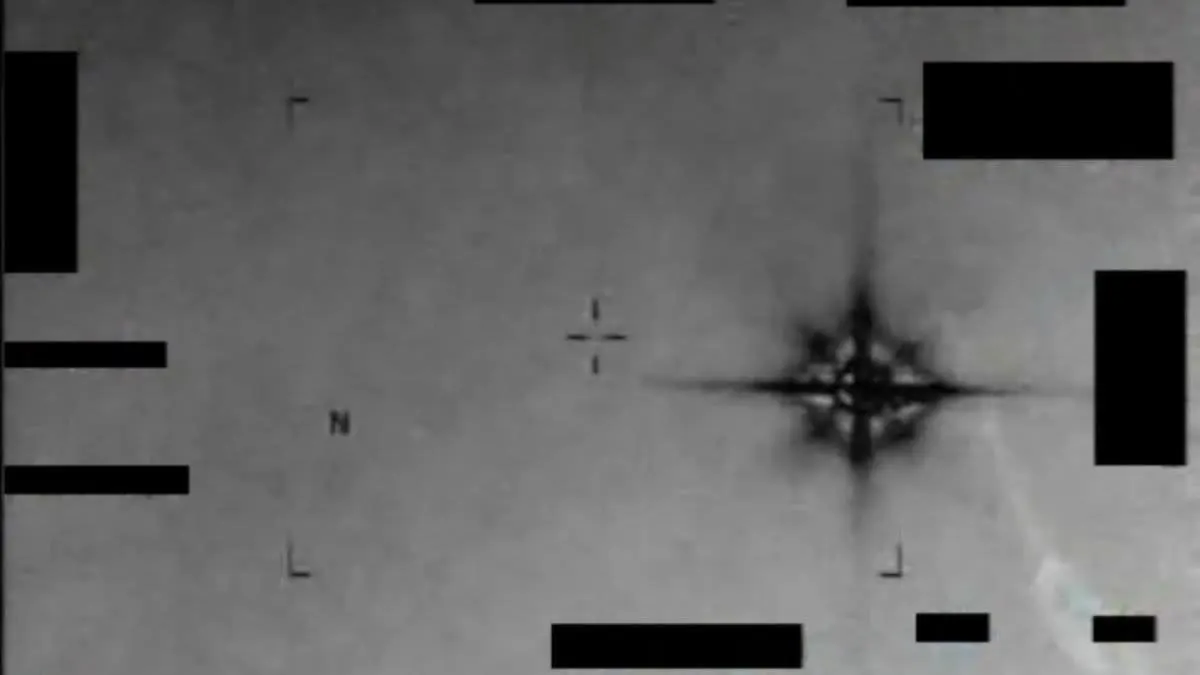
AARO Releases 2013 Star-Shaped UAP Video
The US government released 162 declassified UAP files, including a 2013 video of a star-shaped object that experts suggest is a sensor artifact.
DOW Releases 161 UAP Files; 8 Videos in Documentary
The Department of War released 161 UAP files, including 28 videos, as 8 of 46 videos demanded by Congress appear in an upcoming documentary.