DOW Releases 161 UAP Files; 8 Videos in Documentary

Co-Founder & CEOAviation News Editor delivering trusted coverage across the global aviation industry.
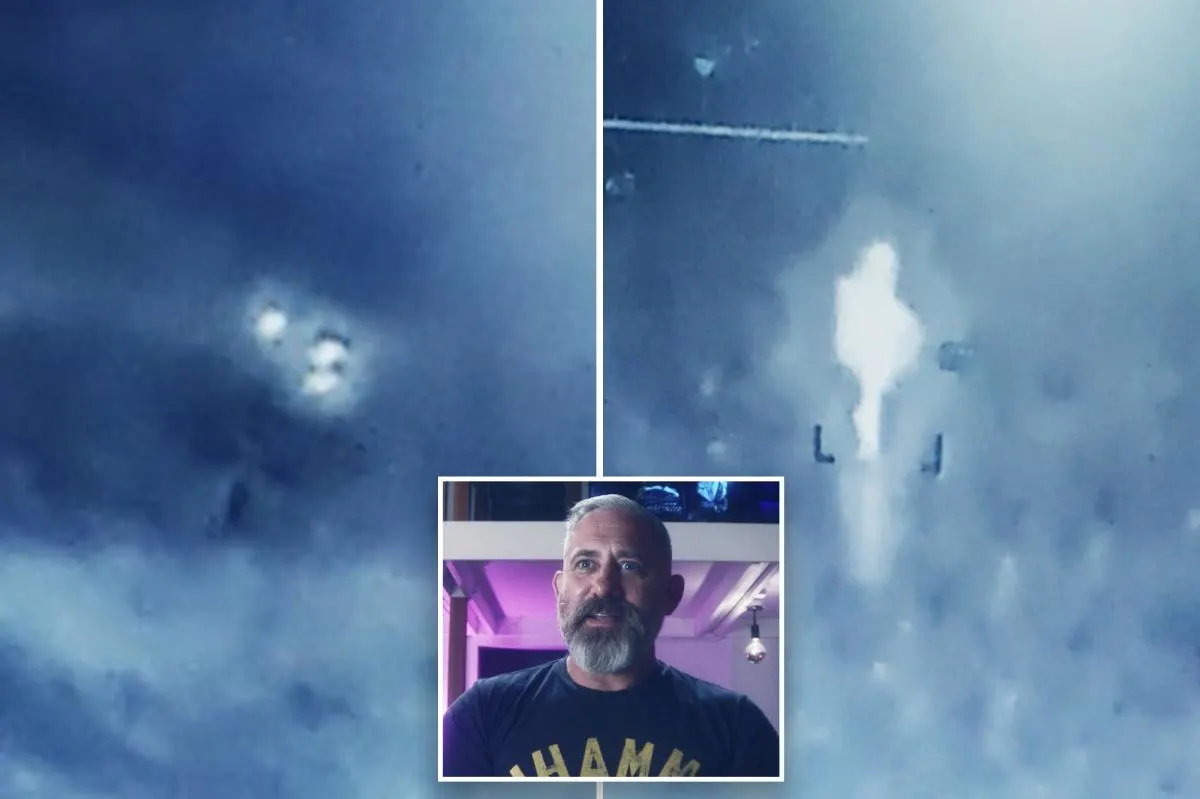
The Department of War released 161 UAP files, including 28 videos, as 8 of 46 videos demanded by Congress appear in an upcoming documentary.
Key Takeaways
- •DOW releases 161 UAP files via new PURSUE portal.
- •8 of 46 videos demanded by Congress appear in a new documentary.
- •The official declassification includes 28 military sensor videos.
- •48% of geotagged files originate from CENTCOM's area of operations.
The Department of War (DOW) has officially released a significant cache of government files related to Unidentified Anomalous Phenomena (UAP). The initial data drop, titled PURSUE Release 01, includes 161 files and was made public on May 8, 2026. This move comes just before the release of the 'Sleeping Dog' documentary by Jeremy Corbell, which reportedly features eight of the 46 UFO videos Congress has demanded the government declassify.
The release marks a pivotal moment in the government's handling of UAP information, shifting from sporadic disclosures to a structured declassification process. The Presidential Unsealing and Reporting System for UAP Encounters (PURSUE) portal is now the central repository for these files, fulfilling legislative mandates aimed at greater transparency. Among the 161 files are 28 military sensor videos, providing the public and researchers with direct access to data captured by advanced platforms.
Official Response and Mandate
The initiative is a direct result of sustained pressure from Congress, codified in the National Defense Authorization Act (NDAA) UAP Disclosure Requirements. Lawmakers, led by figures like Rep. Anna Paulina Luna, specifically requested the release of 46 classified videos. While the PURSUE release does not contain all 46, the appearance of eight in the Sleeping Dog documentary Corbell is producing ahead of an official release has intensified public interest.
In an official statement, Secretary of War Pete Hegseth commented on the release. "These files, hidden behind classifications, have long fueled justified speculation – and it's time the American people see it for themselves," Hegseth stated. FBI Director Kash Patel echoed this sentiment, adding that the PURSUE system provides "unfettered access to declassified government files on Unidentified Anomalous Phenomenon - a level of transparency that no prior administration has delivered."
Geographic and Operational Insights
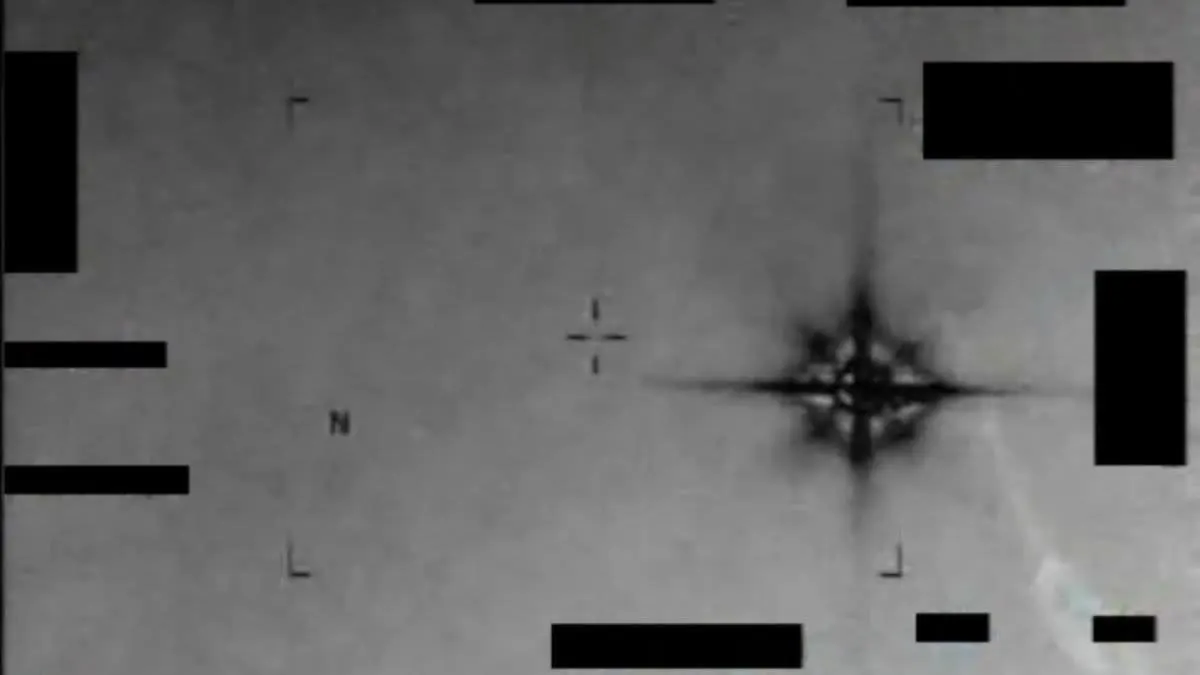
An initial analysis of the Department of War UAP files reveals a significant geographic concentration. According to data from the release, 48% of the geotagged files originated from the operational area of the United States Central Command (CENTCOM), which covers the Middle East. This suggests a high frequency of UAP encounters by military personnel in active conflict or surveillance zones. The data includes footage from various sensors, including Forward-Looking Infrared (FLIR) systems, which are critical for military aviation operations.
The Pentagon's All-domain Anomaly Resolution Office (AARO) is tasked with processing and analyzing these reports. The public release of this data is expected to both aid and complicate AARO's mission, as it must now manage public analysis and speculation alongside its internal investigations. For military aviators, particularly within CENTCOM, the formalization of this data provides validation for their reports and reinforces official channels for documenting potential airspace hazards.
Historical Context and Precedents
This large-scale declassification follows several key historical precedents. In April 2020, the Pentagon officially released three now-famous UAP videos—'FLIR1', 'GIMBAL', and 'GOFAST'—setting a precedent for authenticating military-captured footage. The political momentum for broader disclosure accelerated significantly following the July 2023 Congressional hearings featuring whistleblower testimony from David Grusch. These hearings created the bipartisan pressure that led directly to the current disclosure requirements.
The current framework contrasts sharply with previous government efforts like Project Blue Book, a U.S. Air Force study that ran from 1952 to 1969. That project concluded that no UFO it investigated represented a threat to national security. The establishment of AARO and the PURSUE portal signals a modern-day shift, treating UAP as an ongoing matter of both national security and aviation safety.
Technical Analysis
This development indicates a structural shift in U.S. policy regarding UAP. Moving away from the post-Project Blue Book era of official skepticism and classification, the government is now establishing a formal, public-facing apparatus for data release. The PURSUE initiative follows the trajectory set by the 2020 video declassification and was made politically necessary by the 2023 hearings. The release of raw sensor data, rather than just analytical reports, allows for independent scientific and public scrutiny, though it also opens the door to misinterpretation. Skeptical analysts, such as those in the Metabunk community, argue that many of the phenomena in these videos are likely explainable as sensor artifacts, balloons, or birds. However, the formalization of the reporting and release process is itself the key development, creating a baseline of official data for what has historically been a topic dominated by anecdotal accounts.
What Comes Next
The 'Sleeping Dog' documentary, featuring eight of the sought-after videos, is confirmed for release on May 12, 2026. The Department of War has indicated that this is only the first tranche of data. PURSUE Release 02 is expected in mid-2026, as the declassification process is designed to be a rolling effort. AARO will continue its investigation into these and other incidents, with its findings likely informing future policy and pilot guidance.
Why This Matters
This formalized release of UAP data moves the topic from the fringe into the mainstream of national security and aviation safety. For military and commercial pilots, it reduces the stigma associated with reporting anomalous sightings, treating them as legitimate safety-of-flight concerns. The availability of official, verified data provides a foundation for scientific analysis that was previously impossible, potentially leading to a better understanding of unidentified phenomena in controlled airspace.
Frequently Asked Questions
- What is the PURSUE Release 01?
- PURSUE Release 01 is the first public release of declassified government files on Unidentified Anomalous Phenomena (UAP) by the Department of War on May 8, 2026. The release contained 161 files, including 28 military sensor videos, made available through a new online portal.
- How many UAP videos did the US Congress demand be released?
- The U.S. Congress demanded the declassification and public release of 46 specific, classified UAP videos. Eight of these videos are featured in the 'Sleeping Dog' documentary, which was released shortly after the government's initial data drop.
- Where did most of the released UAP sightings occur?
- According to a geographic analysis of the PURSUE Release 01, 48% of the geotagged files originated from the operational area of United States Central Command (CENTCOM), which primarily covers the Middle East. This indicates a high concentration of sightings by military personnel in that region.
Get breaking commercial aviation news and expert airline analysis at omniflights.com. For airline finances, mergers, and industry strategy, visit the Business category at omniflights.com/business.
Written by Hardik Vishwakarma
Co-Founder & Aviation News Editor leading initiatives that improve trust and visibility across the global aviation industry. Covers airlines, airports, safety, and emerging technology.
Visit ProfileYou Might Also Like
Discover more aviation news based on similar topics

Trump Orders Release of 161 Declassified UAP Files
The Trump administration released 161 declassified UAP files via its new PURSUE portal, a move praised for transparency but criticized as a political ploy.

DOE Agent Death Sparks UAP Whistleblower Questions
The 2021 death of a DOE special agent is under new scrutiny following claims he planned to expose secret government UAP programs before he died.
Researcher Claims 4 Alien Species Recovered; Pentagon Denies
Physicist Hal Puthoff alleges the US recovered 4 alien species, sparking debate amid official Pentagon denials from its AARO UAP report.

Declassified FBI Files Detail Nazi Saucer Claims
The DoD has declassified 162 historical UAP files, which include unverified informant claims about Nazi flying saucers, under its PURSUE transparency plan.

Apollo 17 UAP Encounter Detailed in Declassified Files
The Pentagon released 162 declassified UFO files revealing the Apollo 17 crew's 1972 encounter with unexplained 'very bright particles' in lunar orbit.
AARO Releases 2013 Star-Shaped UAP Video
The US government released 162 declassified UAP files, including a 2013 video of a star-shaped object that experts suggest is a sensor artifact.