Declassified FBI Files Detail Nazi Saucer Claims

Co-Founder & CEOAviation News Editor delivering trusted coverage across the global aviation industry.

The DoD has declassified 162 historical UAP files, which include unverified informant claims about Nazi flying saucers, under its PURSUE transparency plan.
Key Takeaways
- •DoD declassifies 162 historical UAP files under PURSUE initiative.
- •Files include unverified 1944 informant claims of a Nazi flying saucer.
- •AARO's official report finds no evidence of anomalous technology programs.
- •Release follows historical precedents like Project Blue Book investigations.
The U.S. Department of Defense has released a new tranche of historical documents related to Unidentified Anomalous Phenomena (UAP), including declassified FBI UAP files containing unverified Nazi flying saucer claims. The release of approximately 162 files in May 2026 is part of the PURSUE UAP transparency initiative, a government-wide effort to make historical records public. The Pentagon’s AARO historical record report provides critical context, emphasizing that the release of such documents does not constitute an endorsement of their contents.
This development is part of a broader shift in U.S. government policy toward greater transparency on UAP-related intelligence. The Pentagon's All-domain Anomaly Resolution Office (AARO), established by the FY2023 National Defense Authorization Act (NDAA), is tasked with both investigating current UAP reports and systematically reviewing historical government records. While the newly released files offer a glimpse into Cold War-era intelligence gathering and informant reports, officials stress the distinction between historical accounts and verified evidence. According to AARO, there remains no empirical evidence of extraterrestrial technology or secret advanced aerospace programs being concealed from the public.
The Nature of the Declassified Records
The documents were released under the Presidential Unsealing and Reporting System for UAP Encounters (PURSUE) directive and made available through public portals like the FBI Records: The Vault. One notable file contains a detailed but uncorroborated informant account from 1944, describing a 6.5-meter (21-foot) disc-shaped aircraft allegedly observed in Austria. The account claims the vehicle was capable of extraordinary speeds and maneuverability.
However, the official government position, detailed in the AARO Historical Record Report Volume 1, is that no verifiable evidence supports such claims. The report, which reviewed U.S. government involvement with UAP from 1945 to 2023, concluded that most historical sightings were misidentifications of conventional advanced U.S. aircraft, foreign intelligence platforms, or natural phenomena. The release of raw informant files from the Freedom of Information Act (FOIA) archives is intended to provide transparency into what was reported at the time, not to validate the reports themselves.
Historical Context and Precedents
This initiative is not the first time the U.S. government has systematically reviewed anomalous sightings. The most significant historical precedent is Project Blue Book, a U.S. Air Force study that ran from 1952 to 1969. Over its seventeen-year operation, the project investigated 12,618 reported UFO sightings, ultimately concluding that there was no evidence of extraterrestrial technology or any threat to national security. The current work by AARO follows in this tradition, applying modern analytical tools to both new and historical cases.
Another relevant precedent is the 1947 Roswell Incident. Decades of speculation about a crashed alien spacecraft were officially addressed in the 1990s when the U.S. Air Force declassified records showing the debris was from a high-altitude Project Mogul balloon, a top-secret program designed to detect Soviet nuclear tests. This case demonstrates a recurring pattern where classified, but conventional, aerospace technology is misidentified by the public as something anomalous.
Industry Impact and Differing Perspectives
The declassification process presents a challenge for AARO, which must now dedicate resources to contextualizing the raw historical data to prevent the spread of misinformation. For aerospace historians and researchers, the document release provides valuable primary source material for studying Cold War intelligence and the origins of modern aerospace myths.
However, the transparency initiative has drawn criticism from different quarters. According to some in the scientific community, releasing unverified and sensational claims without sufficient context can fuel conspiracy theories rather than promote public understanding. Conversely, UAP disclosure advocates argue that these releases are a distraction, suggesting the government continues to withhold more significant evidence of modern UAP encounters.
What Comes Next
The Department of Defense has confirmed that the declassification of historical UAP files under the PURSUE directive is an ongoing process. Additional document releases are expected to continue through 2026. AARO will continue its dual mission of analyzing new UAP reports from military personnel and providing official context for historical records as they are made public.
Why This Matters
This development signifies a strategic shift in how the U.S. government manages information about anomalous phenomena. By proactively releasing unverified historical reports alongside official, data-driven analysis from bodies like AARO, the Pentagon is moving from a policy of blanket secrecy to one of curated transparency. The goal is to demystify the UAP topic and ground the public conversation in verifiable facts, separating credible aerospace analysis from decades of uncorroborated speculation.
Frequently Asked Questions
- What are the declassified FBI files about Nazi flying saucers?
- The files contain an unverified 1944 informant account of a 6.5-meter disc-shaped aircraft in Austria. The DoD's All-domain Anomaly Resolution Office (AARO) emphasizes this is an uncorroborated claim from a historical intelligence report and not verified evidence of advanced technology.
- What is the AARO Historical Record Report?
- It is a comprehensive review by the Pentagon's All-domain Anomaly Resolution Office of all U.S. government UAP investigations since 1945. The report, released in March 2024, concluded there is no verifiable evidence of extraterrestrial technology or secret reverse-engineering programs.
Get breaking commercial aviation news and expert airline analysis at omniflights.com. For detailed airline coverage, route changes, and fleet moves, explore the Airlines section at omniflights.com/airlines.

Written by Hardik Vishwakarma
Co-Founder & Aviation News Editor leading initiatives that improve trust and visibility across the global aviation industry. Covers airlines, airports, safety, and emerging technology.
Visit ProfileYou Might Also Like
Discover more aviation news based on similar topics

Trump Orders Release of 161 Declassified UAP Files
The Trump administration released 161 declassified UAP files via its new PURSUE portal, a move praised for transparency but criticized as a political ploy.

DOE Agent Death Sparks UAP Whistleblower Questions
The 2021 death of a DOE special agent is under new scrutiny following claims he planned to expose secret government UAP programs before he died.
Researcher Claims 4 Alien Species Recovered; Pentagon Denies
Physicist Hal Puthoff alleges the US recovered 4 alien species, sparking debate amid official Pentagon denials from its AARO UAP report.

Apollo 17 UAP Encounter Detailed in Declassified Files
The Pentagon released 162 declassified UFO files revealing the Apollo 17 crew's 1972 encounter with unexplained 'very bright particles' in lunar orbit.
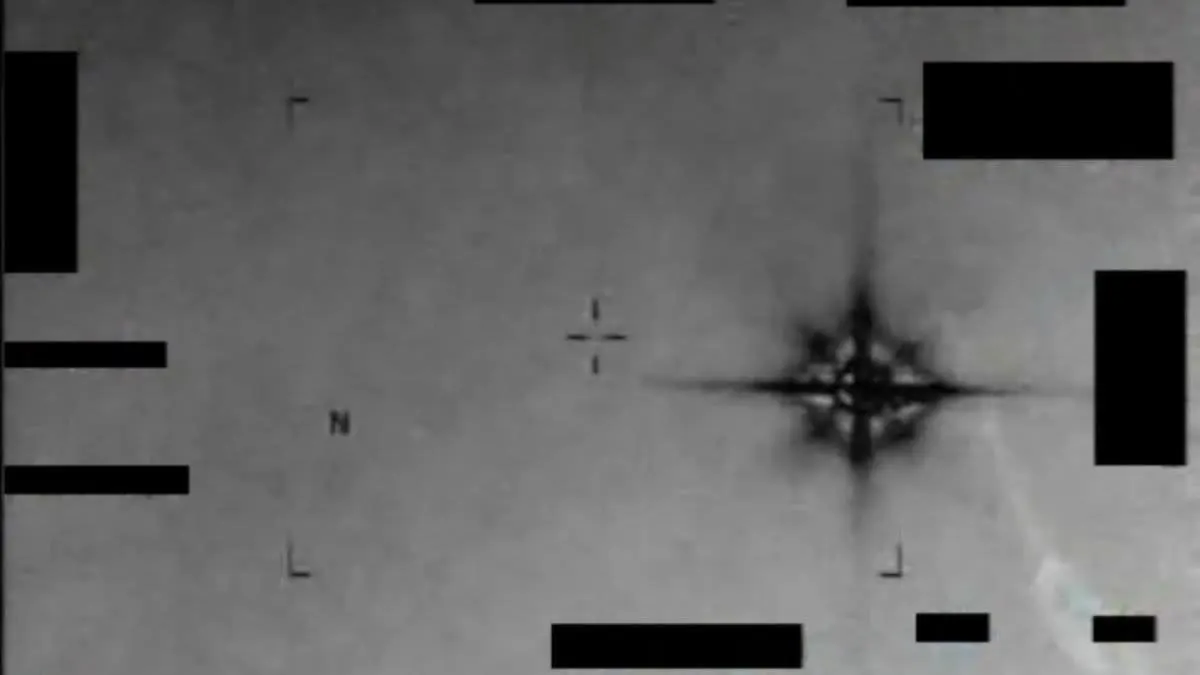
AARO Releases 2013 Star-Shaped UAP Video
The US government released 162 declassified UAP files, including a 2013 video of a star-shaped object that experts suggest is a sensor artifact.
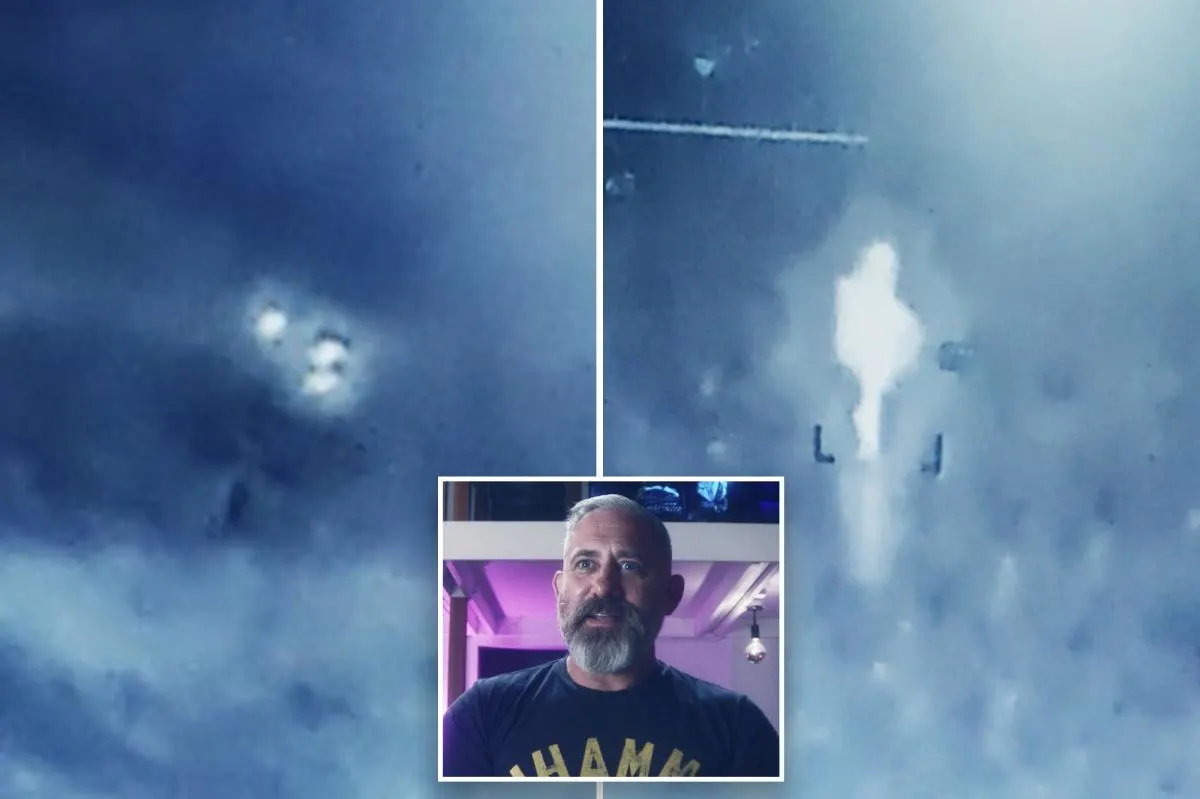
DOW Releases 161 UAP Files; 8 Videos in Documentary
The Department of War released 161 UAP files, including 28 videos, as 8 of 46 videos demanded by Congress appear in an upcoming documentary.