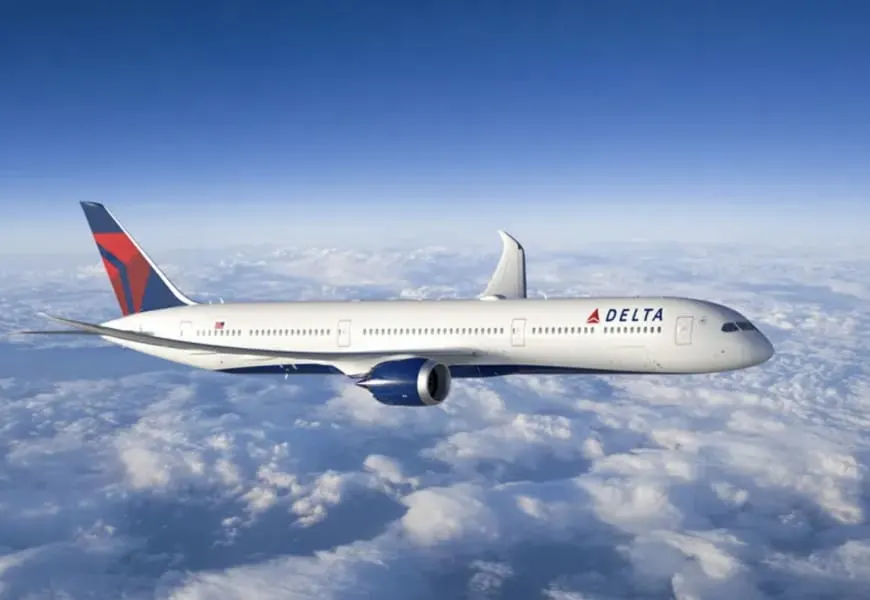
Allegiant Gains Sun Country Route Rights in DOT Approval

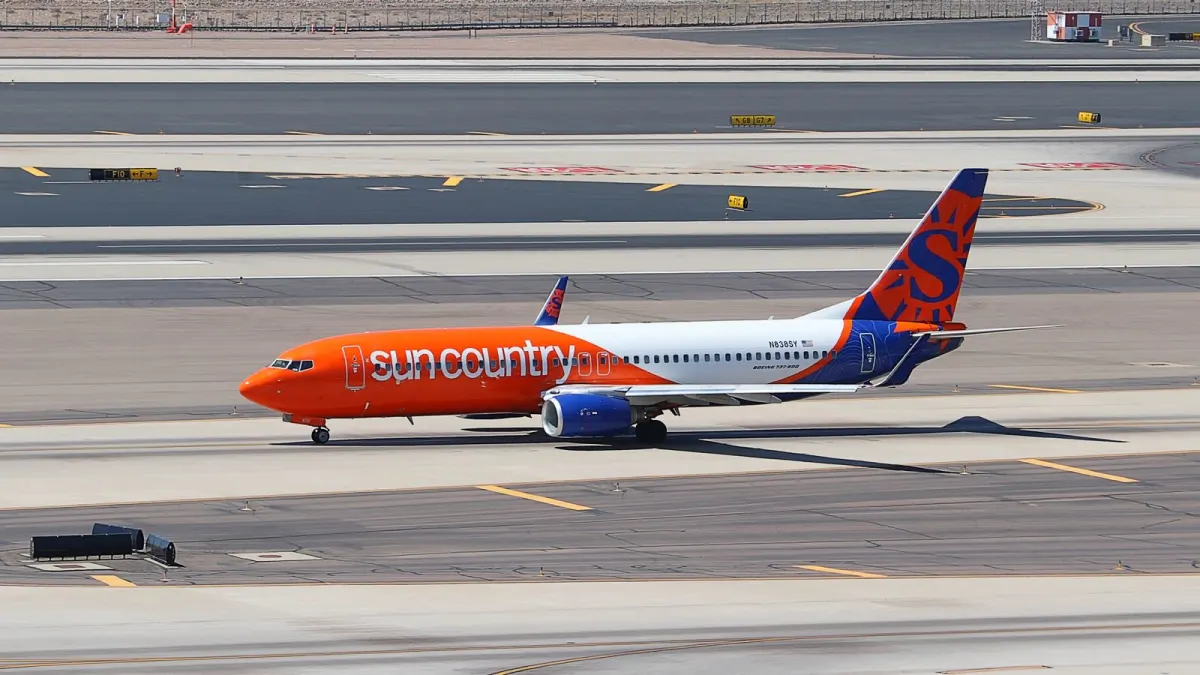
The DOT approved the transfer of Sun Country’s international route rights to Allegiant, marking a milestone in their $1.5 billion merger integration.
Key Takeaways
- •DOT approved the transfer of Sun Country international route rights to Allegiant.
- •The $1.5 billion acquisition officially closed on May 13, 2026.
- •Combined network features over 650 routes with minimal overlap.
- •Sun Country brand expected to be fully retired by early 2028.
DOT Approves International Route Transfer
The United States Department of Transportation (DOT) has finalized the transfer and reissuance of international route authorities from Sun Country Airlines to Allegiant Travel Company. This regulatory decision, formalized in 2026-7-7 Order Transferring Authority and Reissuing Certificates, marks a critical advancement in the Allegiant Sun Country merger. The approval allows Allegiant to integrate Sun Country’s international footprint into its existing network following the $1.5 billion acquisition that officially closed on May 13, 2026.
Operational Integration and Market Impact
This consolidation represents a strategic shift in the U.S. Ultra-Low-Cost Carrier (ULCC) sector. By acquiring these rights, Allegiant gains immediate access to international leisure markets in Mexico, the Caribbean, and Central America without the need for organic route application processes. According to DOT order data, the combined network now encompasses more than 650 nonstop routes, with only one overlapping service between Appleton, Wisconsin, and Fort Myers, Florida. While the airlines currently operate as separate entities, the DOT order preserves blanket Open Skies rights and scheduled U.S.-Mexico service authority for the combined organization, ensuring continuity for existing passengers.
The Path to a Single Operating Certificate
Despite the regulatory clearance for route transfers, the two airlines must continue to operate under separate certificates until the Federal Aviation Administration (FAA) issues a Single Operating Certificate (SOC). This process, which is expected by early 2028, is the final regulatory hurdle for the carriers to fully combine their flight crews, maintenance procedures, and dispatch operations. Kristen Schilling-Gonzales, Vice President of Network, Planning, and Charters at Allegiant Air, noted that the carrier is currently negotiating with labor groups to establish single labor agreements. Once the SOC is obtained, the Sun Country brand, including its distinctive livery, will be retired in favor of the Allegiant identity.
Historical Context and Industry Trends
The integration of Sun Country into Allegiant follows a well-established pattern of airline consolidation. Similar to the Alaska Airlines acquisition of Virgin America between 2016 and 2018, the current strategy involves absorbing niche route authorities and phasing out the acquired brand post-integration. While the carriers emphasize minimal route overlap, some analysts suggest that the broader impact of this consolidation on long-term fare affordability remains a point of debate, as the merger reduces the number of independent low-cost operators in the U.S. market.
Why This Matters for Stakeholders
For passengers, the integration promises expanded access to international leisure destinations previously unavailable on Allegiant’s domestic-heavy network. However, the transition presents significant challenges for employees, who must navigate the complexities of seniority list integration and the finalization of new labor contracts. Additionally, the Minneapolis-St. Paul (MSP) airport, which serves as Sun Country’s primary hub, will see a gradual transition of its carrier profile as the Allegiant brand eventually replaces the Sun Country name by early 2028.
Frequently Asked Questions
- What happens to the Sun Country brand following the Allegiant acquisition?
- The Sun Country brand and livery are expected to be entirely phased out and replaced by the Allegiant brand by early 2028, following the issuance of a Single Operating Certificate.
- What is the status of the Allegiant and Sun Country merger integration?
- The merger officially closed on May 13, 2026, and the DOT has approved the transfer of international route rights. The airlines currently operate separately and are working toward obtaining a Single Operating Certificate from the FAA, which is expected by early 2028.
Stay ahead of the airline industry with commercial aviation news from omniflights.com. For reporting on UAP sightings, investigations, and aviation-related encounters, see the UAPs section at omniflights.com/uaps.

Written by Hardik Vishwakarma
Co-Founder & Aviation News Editor leading initiatives that improve trust and visibility across the global aviation industry. Covers airlines, airports, safety, and emerging technology.
Visit ProfileYou Might Also Like
Avolon Orders 70 Rolls-Royce Trent 7000 Engines

IndiGo Secures $328M Financing for 8 Airbus Aircraft

Delta Air Lines Earnings: Fuel Costs Surge, Fares Rise
FTAI Aviation Acquires 27 WestJet Boeing 737-700 Aircraft
Delta TechOps Targets Doubling MRO Revenue