United Airlines Forecasts $6B Fuel Hit Amid Iran Conflict

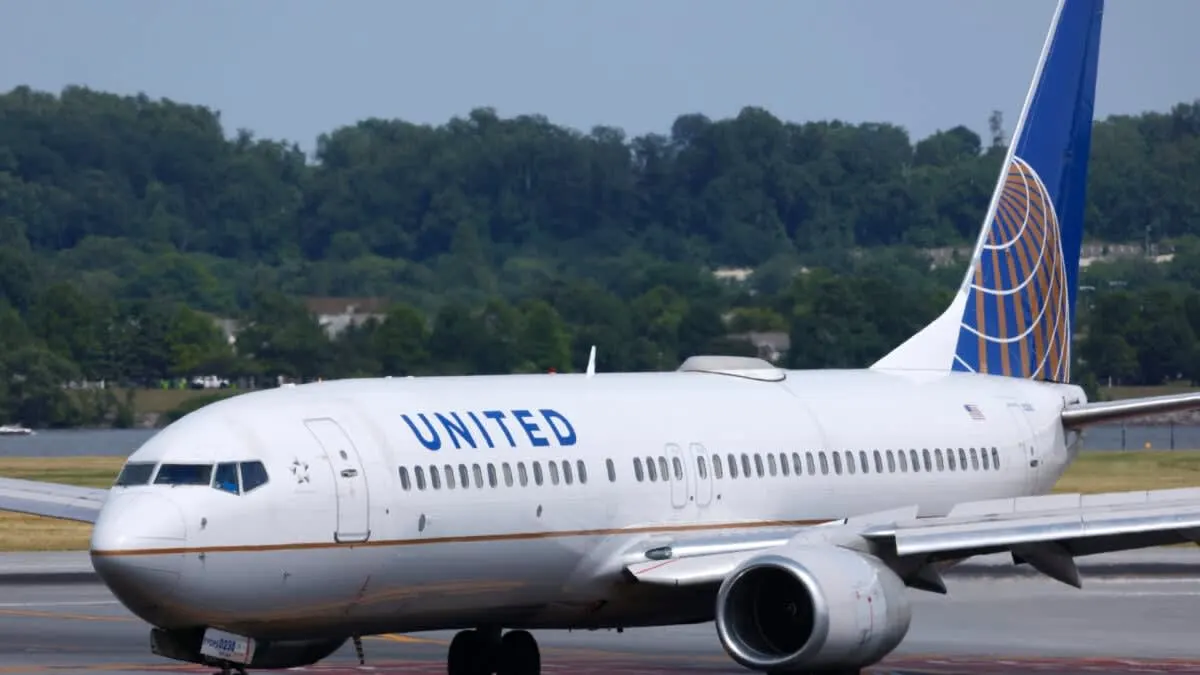
United Airlines expects $6 billion in additional fuel costs this year as the Strait of Hormuz closure forces industry-wide capacity reductions.
Key Takeaways
- •United Airlines expects $6 billion in additional 2026 fuel costs.
- •Q2 2026 fuel expenses for United rose 84% year-over-year.
- •IATA projects global airline profits will be slashed in half.
- •Spirit Airlines ceased all operations in May 2026.
Fuel Costs Surge Amid Geopolitical Volatility
United Airlines has projected an additional $6 billion in jet fuel expenditures for the 2026 fiscal year, citing the ongoing conflict between the United States and Iran. According to the United Airlines Q2 2026 Earnings Release, the carrier incurred $2.3 billion in fuel costs during the second quarter alone, marking an 84% year-over-year increase. This financial pressure stems from the closure of the Strait of Hormuz, a critical energy chokepoint, following the resumption of military strikes on February 28, 2026.
Industry-Wide Impact and Consolidation
The broader aviation sector is facing significant operational headwinds as the jet fuel shortage 2026 persists. The International Air Transport Association (IATA) projects that global airline profits will be slashed in half to approximately $23 billion this year. The impact of these rising operating costs has already triggered market exits; Spirit Airlines ceased all operations in May 2026, marking a significant failure within the budget sector. IATA leadership has indicated that further consolidation and airline bankruptcies remain likely as carriers struggle to absorb the sustained energy price shock.
Capacity Reductions and Pricing Strategy
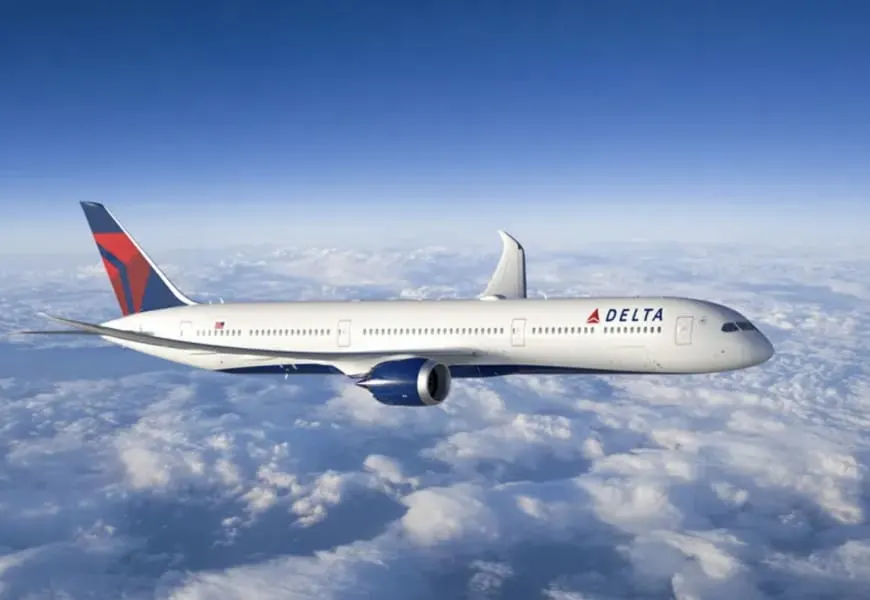
To mitigate the impact of surging fuel expenses, airlines are implementing aggressive airline capacity reductions and eliminating lower-profit routes. While fuel prices remain volatile, carriers are passing costs onto consumers through elevated airfares. Delta Air Lines reported a 75% year-over-year increase in jet fuel expenses for the second quarter. Delta Air Lines CEO Ed Bastian noted that ticket prices are likely to remain high even if oil prices moderate, citing strong consumer demand and disciplined capacity management as factors that prevent a return to historical fare levels.
Historical Precedents in Fuel Shocks
The current situation mirrors the 1990 Gulf War jet fuel spike, which saw fuel prices double in months and contributed to the collapse of major carriers like Pan Am. Similar to the 1973 Oil Crisis, the current supply shock is forcing a structural reassessment of fleet efficiency and network profitability. While airlines argue that fare hikes are a necessary response to input costs, consumer advocates have suggested that carriers may be leveraging the current crisis to maintain high yield environments even if energy markets stabilize.
The Path Forward for Airline Operations
As the conflict continues, United Airlines has signaled it is prepared to further reduce capacity goals if fuel prices remain elevated. The airline industry remains in a state of high alert as geopolitical tensions influence global energy markets. Stakeholders are now looking toward the United Airlines Q3 2026 Earnings and Capacity Update in October for further guidance on network adjustments. Simultaneously, the IATA is expected to release a revised 2026 profitability report in late 2026, which will likely provide a clearer picture of the long-term impact of the fuel crisis on global connectivity.
Why Passenger Fares Remain Elevated
For passengers, the current climate signals a sustained period of higher ticket prices and reduced flight frequency. The strategy of balancing supply with strong demand, particularly in premium cabins, allows legacy carriers to offset fuel volatility. This trend suggests that even if the geopolitical situation in the Middle East improves, the aviation industry’s shift toward more conservative capacity growth will likely keep airfares above pre-2026 levels for the foreseeable future.
Frequently Asked Questions
- How much did United Airlines fuel costs increase in Q2 2026?
- United Airlines reported that its fuel costs for the second quarter of 2026 reached $2.3 billion, which represents an 84% increase compared to the same period in the previous year.
- What is the projected impact of the fuel crisis on global airline profits?
- The International Air Transport Association (IATA) projects that global airline profits will be slashed in half during 2026, falling to approximately $23 billion due to the fuel shortage.
- Why are airfares remaining high despite potential drops in oil prices?
- According to Delta Air Lines CEO Ed Bastian, airfares are expected to remain elevated because airlines are maintaining disciplined capacity management and strong consumer demand, rather than rushing to expand capacity as oil prices fluctuate.
Visit omniflights.com for the latest commercial aviation news and airline industry updates. Discover how innovation is shaping aviation through aircraft systems, avionics, and digital tools at omniflights.com/technology.

Written by Hardik Vishwakarma
Co-Founder & Aviation News Editor leading initiatives that improve trust and visibility across the global aviation industry. Covers airlines, airports, safety, and emerging technology.
Visit ProfileYou Might Also Like
Avolon Orders 70 Rolls-Royce Trent 7000 Engines
IndiGo Secures $328M Financing for 8 Airbus Aircraft

Delta Air Lines Earnings: Fuel Costs Surge, Fares Rise
FTAI Aviation Acquires 27 WestJet Boeing 737-700 Aircraft
Delta TechOps Targets Doubling MRO Revenue