FAA Air Traffic Controllers Protest Pay and Staffing Cuts

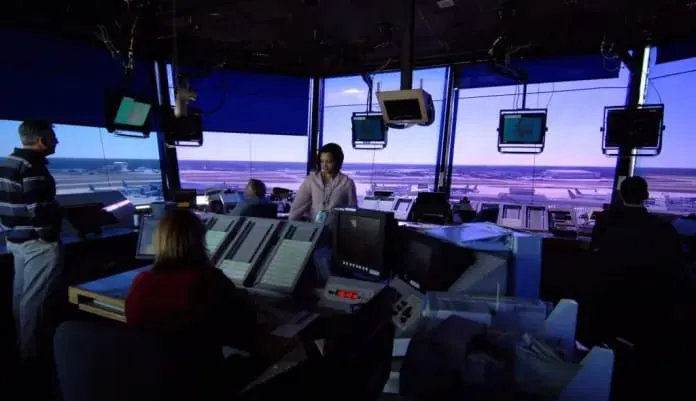
The FAA is withholding a 2.8% pay raise for air traffic controllers, exacerbating morale and safety concerns amid a critical nationwide staffing shortage.
Key Takeaways
- •FAA is withholding a 2.8% pay raise pending productivity metrics.
- •Only 11,000 certified controllers currently manage record-high U.S. air traffic.
- •6,900 controllers are projected to retire by 2028, worsening shortages.
- •NTSB warns that shifts over 90 minutes increase safety-critical latency.
Labor Tensions Rise at the Federal Aviation Administration
Rank-and-file air traffic controllers are increasingly critical of the FAA (Federal Aviation Administration) and its leadership, alleging that the agency is prioritizing operational efficiency and cost-cutting over public safety. The FAA air traffic controller shortage has become a central point of contention, as workers report that they are managing record-breaking traffic volumes with a significantly depleted workforce. According to the FAA Controller Workforce Plan, there are currently about 11,000 certified controllers, a sharp decline from the 16,300 active in 1980, even as annual passenger boardings have surged from 295 million to over 906 million in the same period.
The Dispute Over Compensation and Productivity
A primary source of friction is the decision by FAA Administrator Bryan Bedford to withhold a 2.8% retroactive pay raise authorized by Congress under Public Law 119-86. While the DOT (Department of Transportation) and the FAA have framed this adjustment as contingent upon productivity improvements—specifically increasing time at the controls from four to five hours per shift—employees argue this approach ignores the reality of their working conditions. Hanan Wiseman, a TRACON (Terminal Radar Approach Control) facility representative, characterized the FAA’s stance as an invented condition used to justify withholding funds already approved by the legislature. This development has fueled concerns regarding NATCA (National Air Traffic Controllers Association) union leadership, with many members expressing frustration over what they perceive as a lack of aggressive advocacy against the administration.
The Operational Impact of Fatigue and Understaffing
Safety concerns remain at the forefront of the labor dispute, particularly regarding ATC (Air Traffic Control) mandatory overtime fatigue. Research presented by the NTSB (National Transportation Safety Board) to Congress in February 2026 indicates that extended time on task, specifically beyond 90 minutes, increases detection latency for complex aviation events. Despite these findings, controllers report being subjected to frequent six-day workweeks and 10-hour shifts to cover for chronic staffing deficits. With more than 90% of the nation’s 313 air traffic control facilities reporting staffing shortfalls as of 2025, the pressure on existing staff has led to concerns about mental health and the sustainability of the current system. The GAO (Government Accountability Office) has noted that the certification rate for new applicants remains at roughly 2%, complicating efforts to replace the 6,900 controllers projected to retire by 2028.
Historical Context and Future Risks
Labor relations within the agency are heavily influenced by the legacy of the 1981 PATCO (Professional Air Traffic Controllers Organization) strike, in which the federal government permanently replaced thousands of striking workers. This historical precedent continues to shape the current strategy of both the union and its members, who remain wary of aggressive labor actions. The current situation follows a pattern of strained relations observed during previous federal crises, such as the 2018-2019 government shutdown, where staffing vulnerabilities led to significant operational disruptions. As the FAA moves forward with a $12.5 billion system and infrastructure overhaul, the disconnect between management’s modernization goals and the workforce’s immediate needs for relief remains a structural challenge for the agency.
Assessing the Safety Risks of Extended Shifts
| Metric | Current Operational Target | NTSB Safety Recommendation |
|---|---|---|
| Max Time on Task | 5 hours per shift | Under 90 minutes |
| Weekly Workload | 6-day workweeks | Reduced fatigue-based scheduling |
Addressing the Impending Staffing Cliff
The FAA faces a critical juncture as it attempts to balance infrastructure modernization with a shrinking workforce. The agency’s own projections indicate that the loss of over 60% of its current certified controller population by 2028 will require a fundamental shift in hiring and retention strategies. While the DOT maintains that its recruitment efforts and system upgrades will eventually provide relief, current staff continue to warn that the immediate operational strain represents a significant risk to the national airspace system. The resolution of the withheld pay raise and the establishment of sustainable scheduling practices remain the primary milestones for stabilizing the workforce in the near term.
Frequently Asked Questions
- Why is the FAA withholding the 2.8% pay raise for air traffic controllers?
- The FAA Administrator has linked the disbursement of the 2.8% retroactive pay raise to productivity improvements, specifically requiring controllers to increase time spent at the controls from four to five hours per shift.
- How many air traffic controllers are projected to retire by 2028?
- According to the FAA's Controller Workforce Plan, approximately 6,900 of the current 11,000 certified air traffic controllers are projected to retire by 2028.
Visit omniflights.com for the latest commercial aviation news and airline industry updates. Follow aviation sustainability efforts, emissions research, and green initiatives in the Environmental section at omniflights.com/environmental.

Written by Hardik Vishwakarma
Co-Founder & Aviation News Editor leading initiatives that improve trust and visibility across the global aviation industry. Covers airlines, airports, safety, and emerging technology.
Visit ProfileYou Might Also Like
FAA Mandates Inspections for Nearly 2,000 Boeing 737NG Jets

FAA Proposes Inspection Rule for 980 Airbus Helicopters

FAA Clears Boeing 737 MAX 10 Software Glitch

FAA Faces $3.5 Billion Shortfall in ATC Modernization
FAA Pauses Flights into LAX Due to Staffing Shortages