Etihad Expands Tel Aviv to 42 Weekly Flights

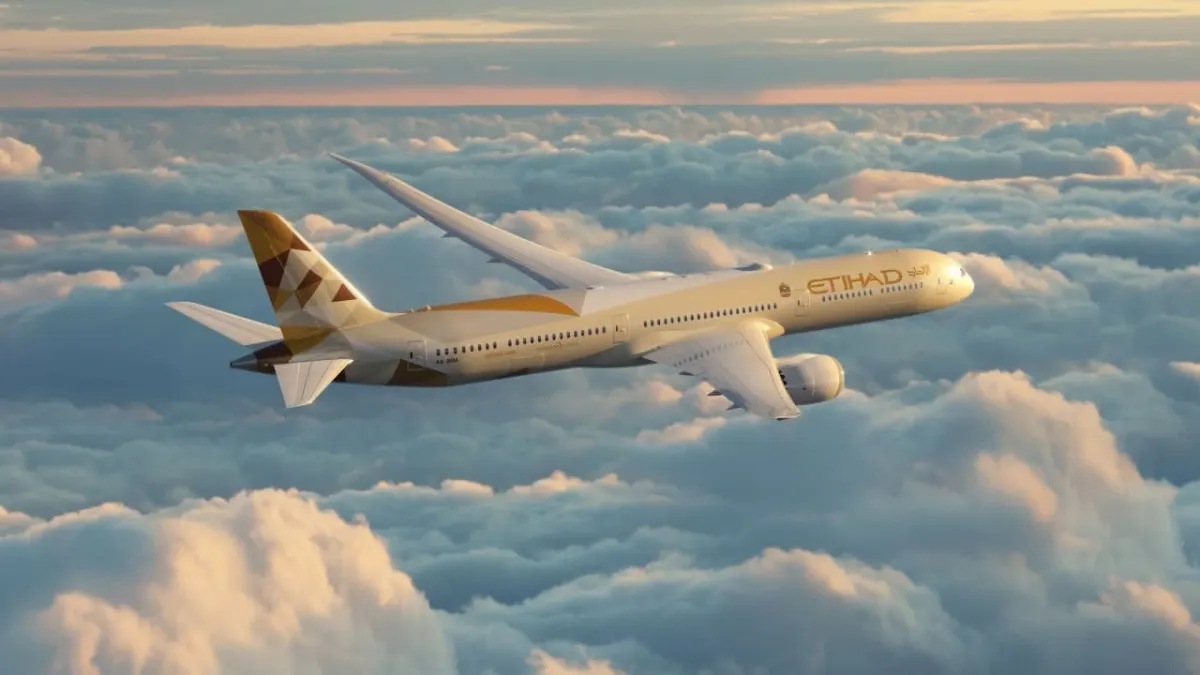
Etihad Airways will increase Tel Aviv service to 42 weekly flights on June 15, 2026, making it the airline's highest-frequency route globally.
Key Takeaways
- •Etihad increases Tel Aviv service to 42 weekly flights on June 15, 2026.
- •Route is now the highest frequency service in Etihad's global network.
- •70% of passengers use Abu Dhabi to connect to onward destinations in Asia.
- •Q1 2026 passenger volume grew 30% year-over-year to over 100,000 travelers.
Etihad Airways Expands Tel Aviv Network
Etihad Airways has announced a major expansion of its Israel operations, with plans to increase service to 42 weekly flights starting June 15, 2026. This schedule adjustment brings the carrier to six daily flights between Tel Aviv Ben Gurion Airport (TLV) and Abu Dhabi Zayed International Airport (AUH), establishing the route as the most frequently traveled in the airline’s entire global network. The expansion follows a period of significant growth for the carrier in the region, driven by high demand for both point-to-point travel and onward connectivity.
Market Demand and Operational Growth
Operational data from the first quarter of 2026 underscores the strength of this route, with over 100,000 passengers traveling between the two cities. This represents a 30% year-over-year increase in passenger volume. During this same period, the average load factor on the service reached approximately 90%, signaling robust demand that supports the current capacity hike. Roughly 70% of passengers on this route utilize Abu Dhabi as a connecting hub for travel to major destinations in Asia, such as Thailand and Japan. This shift highlights a broader industry trend where Middle Eastern hubs are increasingly capturing transit traffic previously handled by European carriers.
Competitive Landscape and Stakeholder Impact
As many North American and European airlines continue to suspend or reduce services to Israel due to regional instability, UAE carriers like Etihad and flydubai are aggressively filling the capacity void. This strategic move allows them to capture significant market share on long-haul connecting traffic. For Israeli outbound travelers, the expansion provides 42 weekly flight options and competitive pricing, which helps mitigate the impact of reduced service from other international carriers. Conversely, El Al Israel Airlines now faces intensified price and capacity competition on profitable Asian routes from Gulf carriers offering efficient one-stop itineraries. European network airlines are also seeing a decline in their share of Israel-originating long-haul traffic while their own services remain limited by security mandates.
Regulatory Context and Safety Considerations
The expansion is facilitated by the Abraham Accords Bilateral Aviation Agreement, which provides the legal framework for unlimited commercial flight frequencies between the UAE and Israel. While the UAE continues to authorize operations, the regulatory environment remains complex. According to the European Union Aviation Safety Agency (EASA), European authorities maintain recommendations for their airlines to avoid Israeli airspace due to ongoing security risks. This creates a distinct operational divergence between Middle Eastern carriers and their Western counterparts regarding regional risk assessment.
Airbus A321 vs. Boeing 787-9: Key Specifications
| Metric | Airbus A321-200 | Boeing 787-9 |
|---|---|---|
| Total Capacity | 196 seats | 299 seats |
| Aircraft Type | Narrow-body | Wide-body |
| Range | 3,200 nm | 7,530 nm |
The Strategic Shift to One-Stop Asia Connections
The decision to scale up to 42 weekly flights indicates that Etihad is positioning itself as a primary transit provider for the Israeli market. Historically, the launch of direct flights between the UAE and Israel in 2020 following the Abraham Accords created the foundation for this market. The current expansion suggests that the airline views the Israeli market as a resilient, long-term pillar of its network. By deploying the Airbus A321 to maintain high-frequency connectivity, the airline optimizes its fleet utility while providing maximum scheduling flexibility for business and leisure travelers. This strategy contrasts with the cautious approach of Western carriers, signaling that Etihad is prioritizing market share acquisition during this period of industry disruption.
Launch of 6th Daily Flight
The transition to 42 weekly flights is confirmed for June 15, 2026. This milestone represents the culmination of Etihad's strategy to maximize its presence at Ben Gurion Airport. Travelers and industry stakeholders should monitor the carrier's schedule for potential adjustments as the launch date approaches, though current operational data suggests the expansion is fully supported by existing demand levels.
Why This Matters for Middle Eastern Hubs
This expansion confirms that Middle Eastern carriers have successfully positioned themselves as the primary alternative for passengers displaced by the withdrawal of Western airlines from the Israeli market. For the aviation industry, this move demonstrates how regional hubs can leverage geographic advantages to capture long-haul connecting traffic during periods of geopolitical instability. The sustained 90% load factor on this route serves as a clear indicator of the economic viability of these connections.
Frequently Asked Questions
- How many weekly flights will Etihad Airways operate to Tel Aviv?
- Starting June 15, 2026, Etihad Airways will operate 42 weekly flights between Abu Dhabi and Tel Aviv, which equates to six daily flights.
- What percentage of passengers use Abu Dhabi as a transit hub on this route?
- Approximately 70% of passengers traveling on the Tel Aviv-Abu Dhabi route use the Abu Dhabi hub to connect to onward destinations, primarily in Asia.
From airline operations to fleet updates, commercial aviation news lives at omniflights.com. Stay informed on aviation incidents, investigations, and best practices in the Safety category at omniflights.com/safety.

Written by Hardik Vishwakarma
Co-Founder & Aviation News Editor leading initiatives that improve trust and visibility across the global aviation industry. Covers airlines, airports, safety, and emerging technology.
Visit ProfileYou Might Also Like

Starlux Airlines Confirms Sydney to Taipei Flights for 2027

British Airways Retrofits A380 with 106 Club Suite Seats

EasyJet Cuts 700k Winter Seats as Fuel Costs Climb

PIA to Lease Two Norse Atlantic 787-9s for UK Routes
Kalitta Air Evaluates Airbus A350F for Cargo Modernization
