Zebu Air Adds Boeing 737-300 Freighter to Cargo Fleet

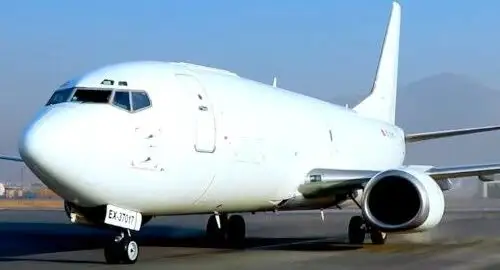
London-based Zebu Air has added its first Boeing 737-300 Freighter to expand regional cargo capacity in African markets.
Key Takeaways
- •Zebu Air adds its first Boeing 737-300 Freighter to its cargo fleet.
- •The 737-300F offers a payload capacity of approximately 19 tonnes.
- •New aircraft complements existing heavy-lift Ilyushin Il-76TD operations.
- •Expansion supports more frequent regional cargo routes in Africa.
Zebu Air Cargo Fleet Expansion
Zebu Air has officially expanded its cargo operations with the addition of its first Boeing 737-300 Freighter, a move that strengthens the operator's ability to serve regional and medium-haul markets. Zebu Air's official fleet page confirms the integration of this narrowbody aircraft into its current lineup, which previously relied heavily on Soviet-era heavy-lift assets. This strategic acquisition marks a significant shift for the London-based carrier, which maintains a strong operational focus on African routes, including critical logistics support in Malawi. The ZEBU AIR LTD corporate registry confirms the company's active status and its focus on freight air transport, reinforcing the importance of this fleet diversification.
Strategic Capacity Balancing
The introduction of the Boeing 737-300 Freighter allows Zebu Air to better balance its operational portfolio. While the airline continues to utilize its fleet of Ilyushin Il-76TD aircraft for heavy-lift requirements, the new narrowbody addition provides a more cost-effective solution for lower-volume, higher-frequency routes. According to Zebu Air CEO Cedric Hoffmann, the move is designed to complement existing heavy-lift capabilities, offering a more versatile service profile to clients across the continent. This diversification is a growing trend among regional cargo operators who seek to bridge the gap between niche feeder routes and large-scale heavy freight transport.
Boeing 737-300F vs. Ilyushin Il-76TD: Key Specifications
| Metric | Boeing 737-300F | Ilyushin Il-76TD |
|---|---|---|
| Maximum Payload | ~19 tonnes | 40 tonnes |
| Engines | 2x CFM56-3 turbofans | 4x Soloviev D-30KP turbofans |
| Range (max payload) | ~3,400 km | ~4,000 km |
Operational Impacts and Maintenance
For Zebu Air, the integration of a Western-built twin-jet brings specific operational requirements. The maintenance teams must now manage parallel tooling and distinct spare parts inventories to support the Boeing 737-300 Freighter alongside the four-engine Ilyushin Il-76TD fleet. Furthermore, the carrier operates under the European Union Aviation Safety Agency (EASA) Part-NCO regulations, which govern the safety and operational standards for its non-commercial and specialized cargo services. These changes necessitate new maintenance training protocols to ensure the continued airworthiness of the mixed-manufacturer fleet.
Historical Precedents in African Logistics
This strategy mirrors past industry developments, such as the 2020 decision by Astral Aviation to integrate a Boeing 737-400F into its fleet. That move allowed the Kenya-based carrier to successfully boost intra-African capacity by pairing the classic narrowbody freighter with its larger Boeing 747 widebodies. The success of this model suggests that Zebu Air is well-positioned to optimize its regional route network, potentially increasing the frequency of cargo movements between major hubs like Johannesburg, Lilongwe, and Nairobi.
Why African Regional Supply Chains Matter
The addition of the Boeing 737-300 Freighter is poised to impact regional African supply chains by providing a more flexible capacity option. By offering up to 19 tonnes of payload per flight, the aircraft enables more frequent, cost-effective logistics solutions for medium-haul distances. This development signals a maturation of Zebu Air's business model, moving toward a more diversified fleet that can adapt to varying demand cycles across its primary markets.
Frequently Asked Questions
- What is the payload capacity of the Boeing 737-300 Freighter?
- The Boeing 737-300 Freighter offers a maximum payload capacity of approximately 15.5 to 19 tonnes, depending on the specific structural configuration of the aircraft.
- Why did Zebu Air add the Boeing 737-300F to its fleet?
- Zebu Air added the 737-300F to balance its fleet, allowing for more cost-effective, frequent regional and medium-haul operations that complement its existing heavy-lift Ilyushin Il-76TD aircraft.
omniflights.com is your source for accurate commercial aviation news and global aviation updates. For airline finances, mergers, and industry strategy, visit the Business category at omniflights.com/business.

Written by Ujjwal Sukhwani
Aviation News Editor & Industry Analyst delivering clear coverage for a worldwide audience. Covers flight operations, safety regulations, and market trends with expert analysis.
Visit ProfileYou Might Also Like
Starlux Airlines Confirms Sydney to Taipei Flights for 2027
British Airways Retrofits A380 with 106 Club Suite Seats
EasyJet Cuts 700k Winter Seats as Fuel Costs Climb
PIA to Lease Two Norse Atlantic 787-9s for UK Routes
Kalitta Air Evaluates Airbus A350F for Cargo Modernization
