Etihad Deploys A380 to Tokyo Narita With The Residence

Co-Founder & CEOAviation News Editor delivering trusted coverage across the global aviation industry.
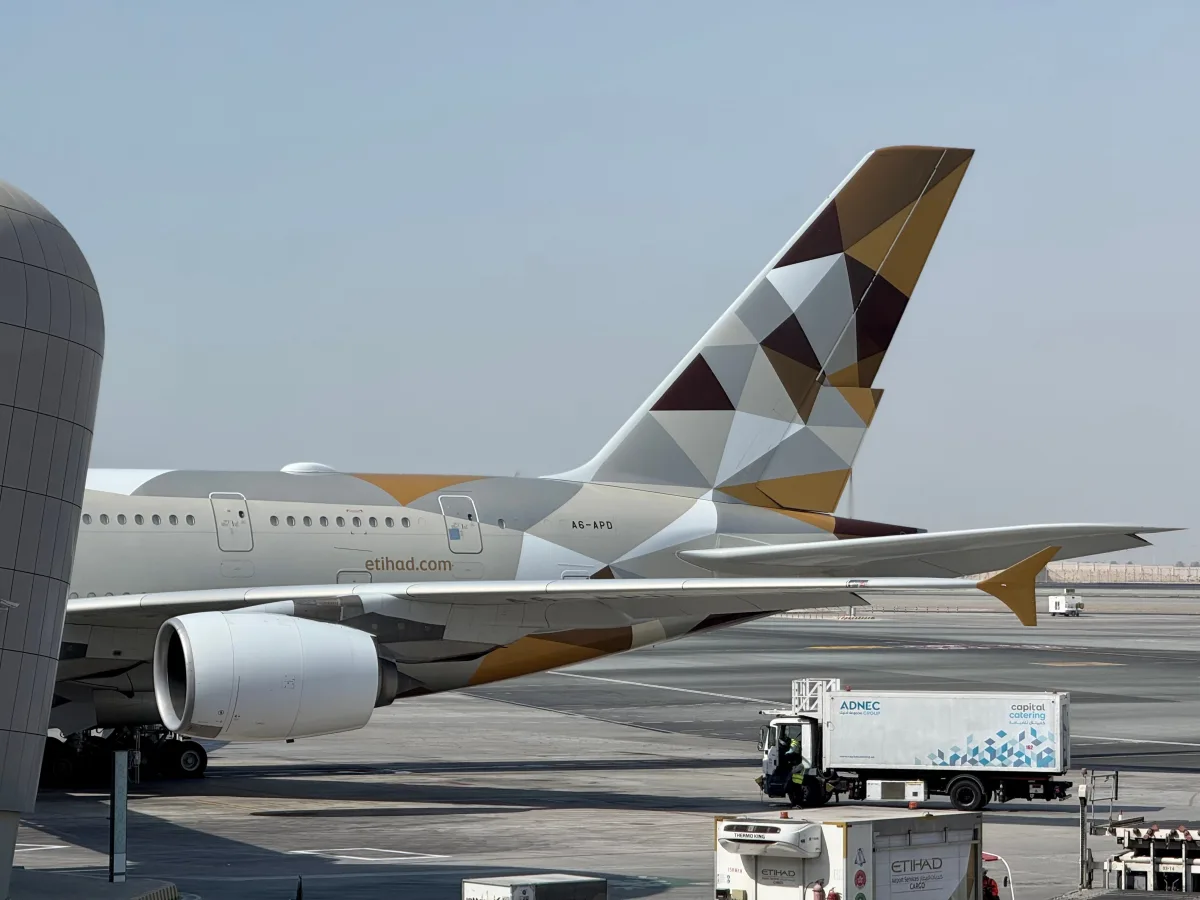
Etihad Airways launched daily A380 service to Tokyo Narita on June 18, 2026, boosting capacity and introducing The Residence to the route.
Key Takeaways
- •Etihad launched daily A380 service to Tokyo Narita on June 18, 2026.
- •The A380 increases route capacity to 486 seats, replacing the 371-seat A350.
- •Eight of nine stored A380s are now active, with the final unit due in 2027.
- •The Residence suite offers a private living room, bedroom, and ensuite shower.
Etihad Launches A380 Service to Tokyo
Etihad Airways officially inaugurated Airbus A380 service to Tokyo Narita International Airport (NRT) on June 18, 2026. The deployment of the flagship superjumbo marks a significant capacity increase for the Abu Dhabi to Narita flights, replacing the 371-seat Airbus A350-1000 previously operated on the route. This strategic move highlights the growing demand for premium travel options connecting the United Arab Emirates and Japan.
Premium Capacity and The Residence
The introduction of the A380 brings the airline's ultra-luxury product, The Residence, to the Japanese market. The Residence is a 125-square-foot luxury suite that includes a private living room, a separate bedroom, and an ensuite bathroom with a shower. Beyond this flagship offering, the aircraft configuration includes 415 Economy seats, 70 Business Class seats, and 9 First Class Apartments, totaling 486 seats. This represents a significant upgrade in premium inventory compared to the two-class configuration of the A350-1000.
According to Arik De, Chief Revenue and Commercial Officer at Etihad Airways, the decision to upgauge the route responds to robust demand for premium travel connecting Zayed International Airport (AUH) and Tokyo. The aircraft deployment also signals the return of the airline's eighth Airbus A380 to the active fleet, as the carrier continues its post-pandemic reactivation strategy.
Fleet Reactivation and Operational Context
Following the industry-wide grounding of the global A380 fleet in March 2020, Etihad Airways placed its ten superjumbos into long-term storage in Europe. One aircraft was eventually retired, leaving nine in the fleet. As of June 2026, the airline has successfully returned eight of these aircraft to active commercial service. The ninth and final unit is expected to rejoin the fleet in early 2027.
This deployment follows a broader pattern of fleet optimization. In June 2025, Etihad ceased A380 operations to New York John F. Kennedy International Airport (JFK), opting to deploy the more fuel-efficient A350-1000 on that route while shifting the superjumbo capacity to other markets like Toronto. The shift allowed the carrier to better align seat counts with regional demand profiles.
A380 vs. A350-1000: Key Specifications
| Metric | Airbus A380 | Airbus A350-1000 |
|---|---|---|
| Total Capacity | 486 seats | 371 seats |
| Cabin Classes | 4 Classes | 2 Classes |
| Premium Suites | 9 First Apartments + 1 Residence | 0 First Class suites |
The Strategic Shift to High-Capacity Hubs
The return of the A380 to the active fleet underscores a wider industry trend of reactivating high-capacity aircraft to navigate slot-constrained environments. By consolidating 486 passengers into a single daily frequency, Etihad maximizes the utility of its landing slots at NRT, which are regulated by the Japan Civil Aviation Bureau (JCAB). This approach provides a competitive advantage against other Gulf carriers while freeing up the A350-1000 fleet for deployment on other long-haul routes within the airline's expanding network.
Reactivation Timeline and Future Milestones
Etihad Airways maintains a clear roadmap for its remaining A380 assets. The current fleet restoration program is expected to conclude with the return of the final stored aircraft in January 2027. Additionally, the carrier is preparing for further network expansion, with daily A380 service between Abu Dhabi and Bangkok confirmed to launch on October 25, 2026.
Why This Matters for Premium Travelers
The deployment of the A380 to Tokyo signals a shift in the competitive landscape for premium travel between the Middle East and Japan. For high-net-worth passengers, the availability of The Residence and First Class Apartments provides a distinct product differentiation that was previously unavailable on this route. This move positions Etihad to capture a larger share of the lucrative premium segment while optimizing its fleet to meet the specific capacity requirements of the Narita hub.
Frequently Asked Questions
- What is the cabin configuration of the Etihad Airbus A380?
- The Etihad Airbus A380 features a total of 486 seats, including 415 Economy seats, 70 Business Class seats, 9 First Class Apartments, and 1 exclusive Residence suite.
- Why did Etihad stop flying the A380 to New York JFK?
- Etihad ceased A380 operations to New York JFK in June 2025 to optimize its fleet, replacing the superjumbo with the more fuel-efficient Airbus A350-1000 while reallocating the A380 to other routes like Toronto.
For in-depth airline coverage and commercial aviation news, omniflights.com delivers timely industry insights. Get the latest updates on major hubs, regional terminals, and airport operations via the Airports section at omniflights.com/airports.
Written by Hardik Vishwakarma
Co-Founder & Aviation News Editor leading initiatives that improve trust and visibility across the global aviation industry. Covers airlines, airports, safety, and emerging technology.
Visit ProfileYou Might Also Like
Discover more aviation news based on similar topics
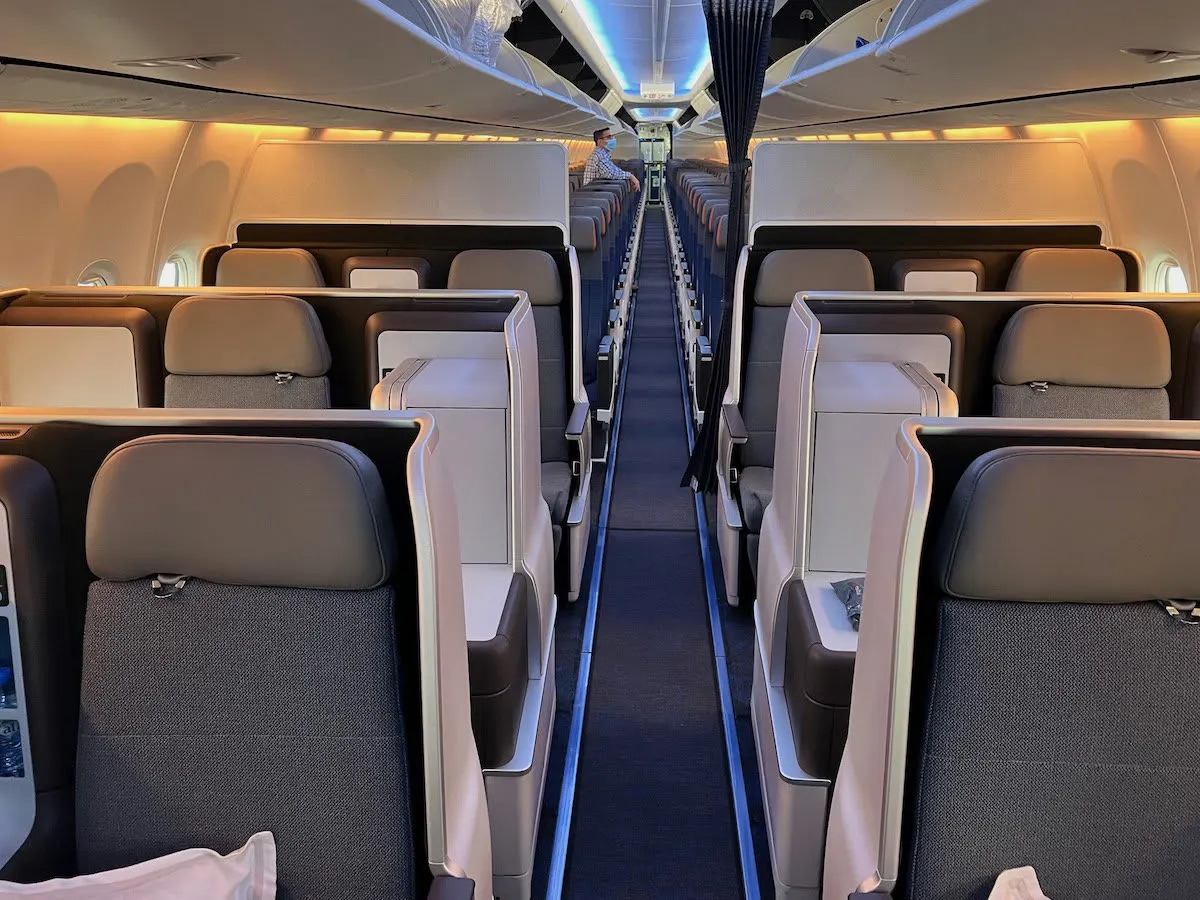
Flydubai Upgrading 21 Boeing 737 MAX 8s to Flat Bed Seats
Flydubai is retrofitting 21 Boeing 737 MAX 8 aircraft with lie-flat business class seats to standardize its premium product by late 2027.
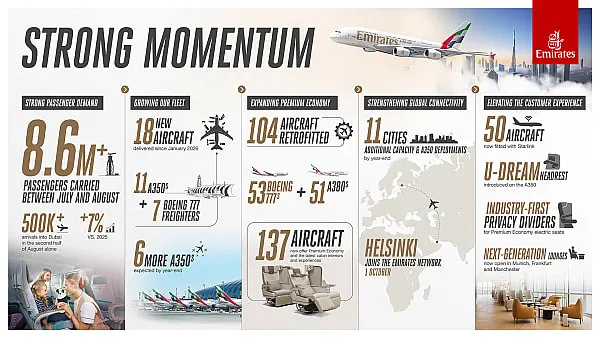
Emirates Winter Booking Momentum Grows Amid Fleet Expansion
Emirates carried 8.6 million passengers this summer and enters winter with strong demand as it accelerates fleet retrofits and network growth.
Air Arabia Consortium Gains AOC for New Dammam Budget Airline
A Saudi GACA-led consortium including Air Arabia has secured an AOC to launch a new budget airline based at Dammam's King Fahd International Airport.
Turkish Airlines Exits Luanda as Angola Hub Struggles
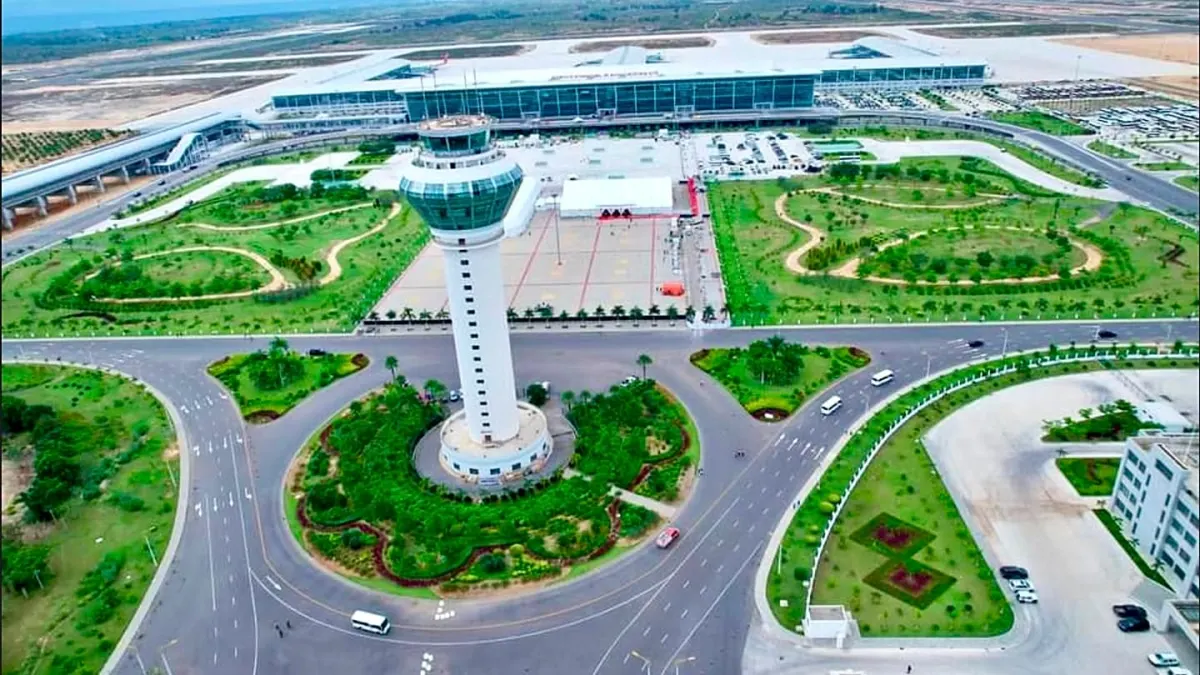
Turkish Airlines dropped its Luanda route as Angola's new airport struggles to attract traffic, handling only 756,028 passengers in 2025.

Red Sea Airlines Leases Two 737 MAX 8s for 2027 Expansion
Red Sea Airlines signed a lease for two Boeing 737 MAX 8 aircraft from SMBC Aviation Capital, arriving in 2027 to support its 14-aircraft fleet goal.
Avelo CEO Warns Airfares May Rise on Jet Fuel Price Spikes
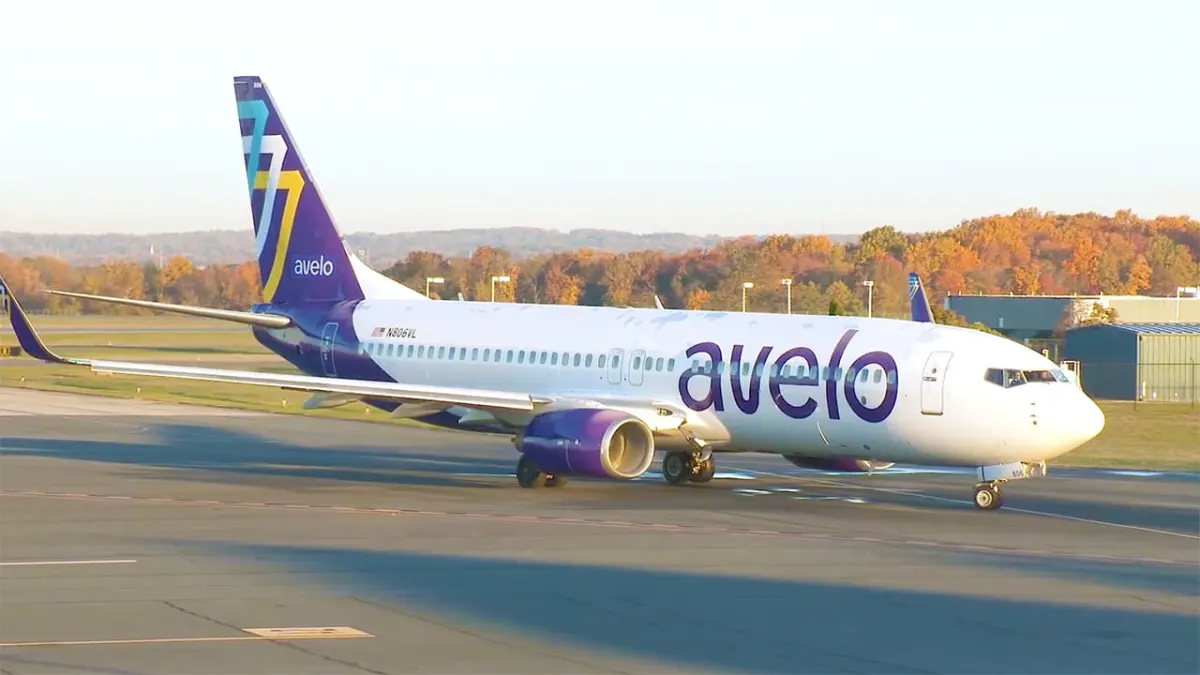
Avelo Airlines CEO Andrew Levy warns that rising fuel costs may force fare increases as global jet fuel prices reach $171.01 per barrel.