Network Airline Management Adds 5th 747-400BCF

Aviation News Editor & Industry AnalystAviation News Editor & Industry Analyst delivering clear coverage for a worldwide audience.

Network Airline Management added a 5th Boeing 747-400BCF to its fleet in Liege to meet rising global demand for heavy-lift air cargo.
Key Takeaways
- •Network Airline Management added a fifth Boeing 747-400BCF to its cargo fleet.
- •The newly added converted freighter officially entered active service in July 2026.
- •The widebody cargo aircraft is based at Liege Airport in Belgium.
- •Fleet expansion increases the carrier's active Boeing 747 fleet to five aircraft.
Network Airline Management (NAM) has completed its latest cargo fleet expansion with the addition of a fifth Boeing 747-400BCF freighter to its active operational fleet. The newly integrated widebody aircraft officially entered active service at the end of July 2026 to support rising international demand for heavy-lift air cargo.
Based at Liege Airport (LGG) in Belgium, the primary European cargo hub for Network Aviation Group, the additional converted freighter significantly boosts the carrier's capacity for oversized freight transport. By expanding its main-deck cargo capabilities, the airline aims to enhance its scheduled and charter operations across its global network, offering freight forwarders more flexible scheduling and increased volume capacity.
Fleet Growth and Operational Stakeholder Impact
According to an official press release from the Network Aviation Group, the newly added Boeing 747-400BCF (Boeing Converted Freighter) brings the company's total active Boeing 747 freighter fleet to 5 aircraft. The expansion responds directly to sustained customer demand for specialized heavy-lift air cargo services.
Jonathan Clark, Chief Executive Officer of Network Aviation Group, emphasized the strategic importance of the aircraft variant, describing the Boeing 747 as the "undisputed workhorse of heavy-lift air cargo." Clark noted that securing a fifth converted freighter represents a major milestone for the group, directly improving operational flexibility and global service delivery.
The aircraft's integration will have a direct impact on several key stakeholders. For Network Airline Management, the addition of the widebody freighter expands operational capability and frequency for both charter and scheduled cargo services. Liege Airport is expected to see a positive impact through increased widebody freighter movements and higher cargo tonnage. Additionally, global air freight forwarders will benefit from increased access to heavy-lift and main-deck capacity for complex or oversized freight requirements.
Market Dynamics and Widebody Freighter Trends
The global air logistics sector continues to show a strong reliance on converted widebody legacy aircraft to fulfill heavy-lift and specialized air cargo demand. While newer twin-engine freighters are entering the market, operators like NAM continue to leverage the Boeing 747's unique main-deck loading capabilities for oversized freight, despite the aircraft type being out of production.
Historically, the retirement of passenger 747-400 fleets created a robust supply of airframes for the Boeing Converted Freighter program. This trend has allowed cargo specialists to maintain cost-effective heavy-lift capacity without the immense capital expenditure required for factory-built freighters.
The Economics of Converted Widebody Freighters
The decision to expand with a fifth Boeing 747-400BCF highlights a persistent structural trend in the global air freight market: the irreplaceable nature of high-volume main-deck cargo aircraft. Although modern twin-engine freighters offer superior fuel efficiency, they often lack the cross-sectional volume and specialized loading profiles required for oversized industrial equipment, aerospace components, and heavy machinery.
By basing this aircraft at Liege Airport, a major European logistics hub with 24-hour operations and minimal slot restrictions, NAM optimizes the utilization of its widebody fleet. This development indicates that despite rising fuel costs and environmental pressures, the demand for specialized heavy-lift capacity remains strong enough to justify the operational costs of four-engine legacy aircraft.
Scheduled Rotations and Network Integration
Following its entry into service at the end of July 2026, the fifth Boeing 747-400BCF is expected to be immediately integrated into NAM’s scheduled rotations connecting Europe with key markets in Africa, the Americas, and Asia. The airline will monitor utilization rates at its Liege hub to determine if further fleet acquisitions are necessary to meet peak-season cargo demands in the fourth quarter of 2026.
The Strategic Value for Global Logistics
This fleet expansion ensures that supply chains for oversized cargo remain resilient amid fluctuating global capacity. For logistics professionals, the addition of a fifth widebody freighter provides critical redundancy and capacity guarantees for high-value, time-sensitive shipments. Ultimately, the move solidifies Liege Airport's position as a premier European gateway for specialized heavy-lift operations.
Frequently Asked Questions
- How many Boeing 747 freighters does Network Airline Management operate?
- Following the fleet expansion at the end of July 2026, Network Airline Management operates a total of five active Boeing 747 freighters.
- Where is Network Airline Management's newly added Boeing 747-400BCF based?
- The newly added Boeing 747-400BCF is based at Liege Airport in Belgium, which serves as the primary European cargo hub for Network Aviation Group.
- What is a Boeing 747-400BCF?
- A Boeing 747-400BCF (Boeing Converted Freighter) is a passenger variant of the Boeing 747-400 that has been modified by Boeing for main-deck cargo operations.
For in-depth airline coverage and commercial aviation news, omniflights.com delivers timely industry insights. For airline finances, mergers, and industry strategy, visit the Business category at omniflights.com/business.
Written by Ujjwal Sukhwani
Aviation News Editor & Industry Analyst delivering clear coverage for a worldwide audience. Covers flight operations, safety regulations, and market trends with expert analysis.
Visit ProfileYou Might Also Like
Discover more aviation news based on similar topics
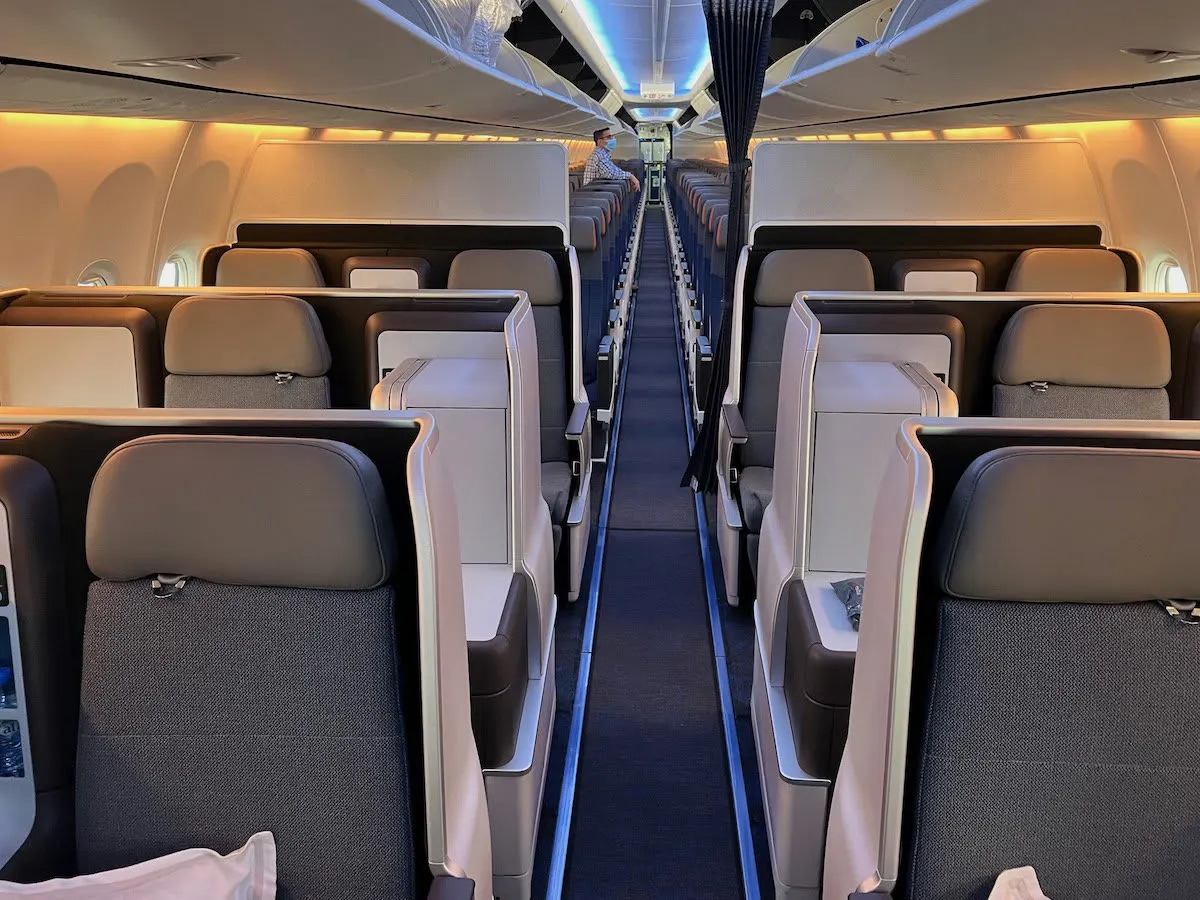
Flydubai Upgrading 21 Boeing 737 MAX 8s to Flat Bed Seats
Flydubai is retrofitting 21 Boeing 737 MAX 8 aircraft with lie-flat business class seats to standardize its premium product by late 2027.
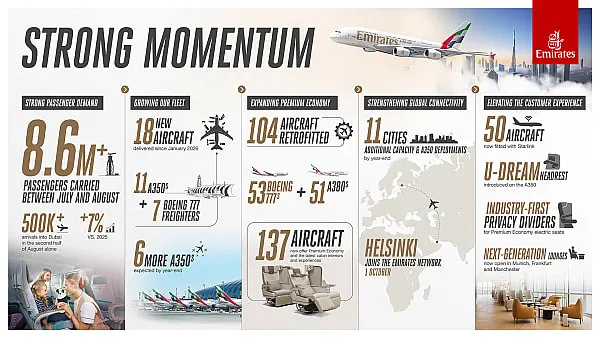
Emirates Winter Booking Momentum Grows Amid Fleet Expansion
Emirates carried 8.6 million passengers this summer and enters winter with strong demand as it accelerates fleet retrofits and network growth.

Air Arabia Consortium Gains AOC for New Dammam Budget Airline
A Saudi GACA-led consortium including Air Arabia has secured an AOC to launch a new budget airline based at Dammam's King Fahd International Airport.

Turkish Airlines Exits Luanda as Angola Hub Struggles
Turkish Airlines dropped its Luanda route as Angola's new airport struggles to attract traffic, handling only 756,028 passengers in 2025.

Red Sea Airlines Leases Two 737 MAX 8s for 2027 Expansion
Red Sea Airlines signed a lease for two Boeing 737 MAX 8 aircraft from SMBC Aviation Capital, arriving in 2027 to support its 14-aircraft fleet goal.
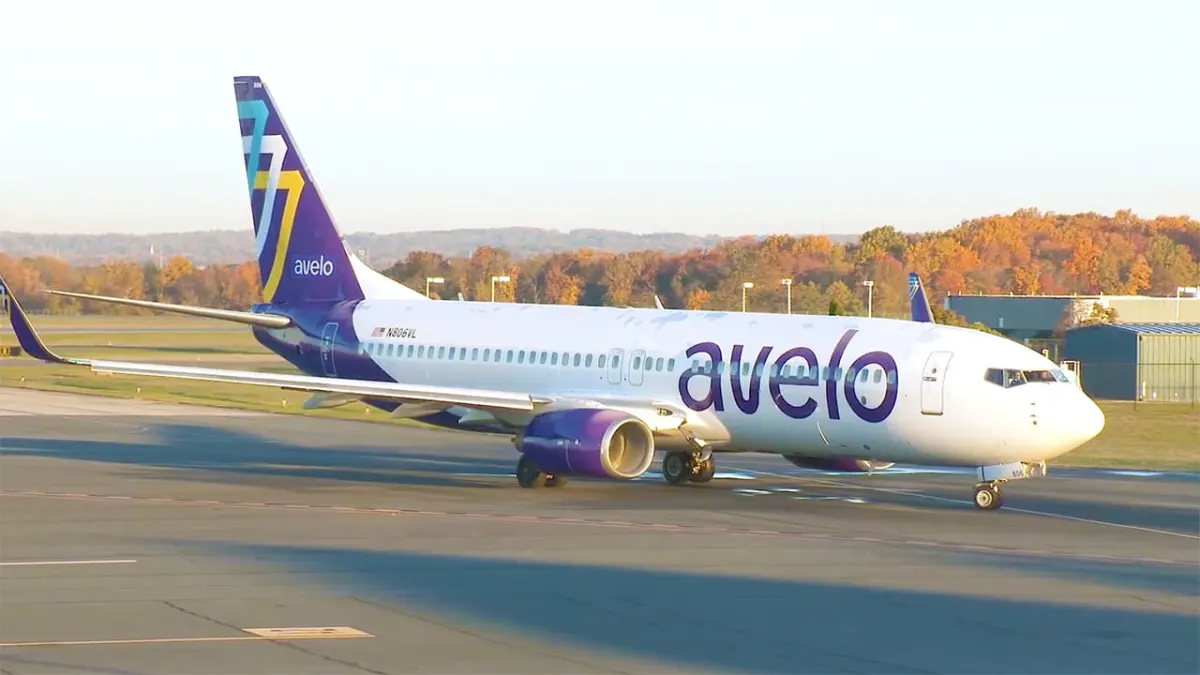
Avelo CEO Warns Airfares May Rise on Jet Fuel Price Spikes
Avelo Airlines CEO Andrew Levy warns that rising fuel costs may force fare increases as global jet fuel prices reach $171.01 per barrel.