QF27 Diverts to Melbourne After Mechanical Issue

Aviation News Editor & Industry AnalystAviation News Editor & Industry Analyst delivering clear coverage for a worldwide audience.
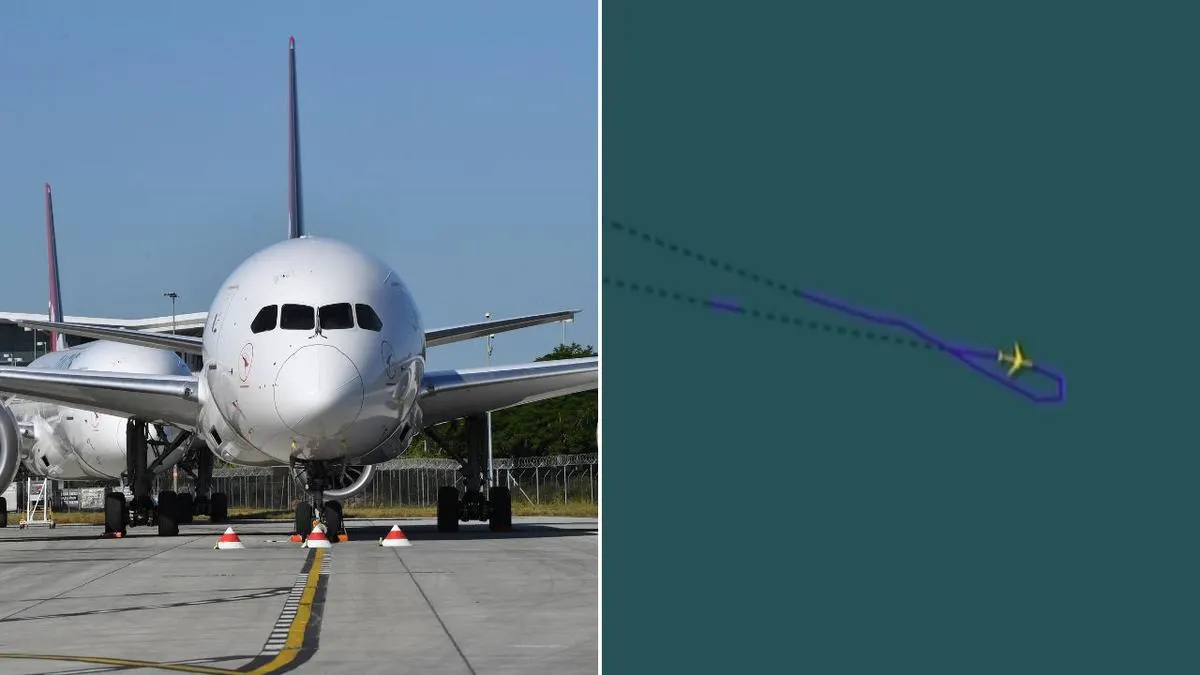
QF27 diverted to Melbourne after a mechanical issue 4.5 hours into its journey, delaying almost 200 passengers.
Key Takeaways
- •QF27 diverted to Melbourne 4.5 hours into its Trans-Pacific flight.
- •Sydney Airport curfew of 11:00 PM blocked the aircraft's return.
- •Qantas deployed a replacement Boeing 787-9 to resume the flight.
- •Engineers are inspecting the original aircraft for mechanical issues.
On August 2, 2026, QF (Qantas Airways) flight QF27 experienced a Qantas QF27 diversion after turning back approximately 4.5 hours into its journey over the Pacific Ocean. The Boeing 787 Dreamliner mechanical issue forced the aircraft, which was bound for Santiago, Chile, to abandon its route. Due to the strict Sydney Airport curfew restrictions, the flight could not return to its origin and was forced to land in Melbourne.
The diversion disrupted the travel plans of almost 200 passengers on the ultra-long-haul route, which spans approximately 11,350 kilometers between SYD (Sydney Kingsford Smith Airport) and SCL (Arturo Merino Benítez International Airport). The incident highlights the complex operational constraints of operating twin-engine widebodies over vast overwater sectors, where regulatory and environmental rules at landside destinations dictate recovery strategies.
Curfew Restrictions and the Melbourne Diversion
Flight QF27 departed Sydney in the afternoon but encountered a technical fault just past New Zealand. Under standard safety protocols, the flight crew made the decision to turn back. However, because the return flight would arrive after 11:00 PM, the strict provisions of the Sydney Airport Curfew Act 1995 came into play. Enforced by the Australian Government Department of Infrastructure, Transport, Regional Development, Communications and the Arts, this regulation prohibits late-night operations to minimize noise pollution for surrounding residential areas.
To avoid violating the curfew, the aircraft was rerouted to MEL (Melbourne Airport), which operates 24 hours a day. The Boeing 787-9 Dreamliner landed safely in Melbourne at approximately 11:00 PM on Sunday. Qantas Airways provided overnight hotel accommodation and meals for the affected passengers in Melbourne.
To minimize further delays, Qantas positioned a replacement Boeing 787-9 Dreamliner, registered as VH-ZNA, to operate the recovery flight. This replacement flight was scheduled to depart Melbourne at midday on Monday, August 3, 2026, to carry the passengers to Santiago.
Operational Context and Historical Precedents
This disruption is not the first time Qantas' South American operations have faced challenges. In February 2023, Qantas Flight QF28 flying from Santiago to Sydney diverted to Newcastle due to severe storms and low fuel. That incident stranded passengers overnight due to a lack of customs and widebody handling facilities at the regional airport, showcasing the limited diversion alternatives on the southern polar corridor.
Additionally, in June 2026, Qantas Flight QF10, a Boeing 787-9 from London to Perth, diverted to Karratha to refuel due to unexpected headwinds. These events demonstrate the tight operational margins and the necessity of robust backup planning for ultra-long-haul services.
Boeing 787-9 vs Airbus A330-900neo: Key Specifications
| Metric | Boeing 787-9 Dreamliner | Airbus A330-900neo |
|---|---|---|
| Range | 14,010 km | 13,334 km |
| Typical Passenger Capacity | 236 seats (Qantas configuration) | 287 seats |
| Engine Options | GE GEnx-1B or Rolls-Royce Trent 1000 | Rolls-Royce Trent 7000 |
ETOPS and Curfew Constraints in Trans-Pacific Operations
The diversion of QF27 highlights the intersection of Extended-range Twin-engine Operations Performance Standards (ETOPS) and local environmental regulations. Operating a twin-engine aircraft across the vast expanse of the southern Pacific Ocean requires strict adherence to ETOPS protocols, which dictate that an aircraft must remain within a specified flying time from an adequate diversion airport. When a mechanical issue arises, the flight crew must balance these overwater safety protocols against landside constraints. In this case, the Sydney curfew forced a diversion to Melbourne, illustrating how noise-abatement laws can complicate irregular operations (IRROPS) recovery. As airlines push the limits of ultra-long-haul flying, the operational vulnerability to curfew restrictions at primary hubs remains a significant cost driver, forcing carriers to maintain highly flexible fleet reserves to mitigate passenger delays.
Recovery Flight and Fleet Re-routing
The recovery flight is confirmed to depart Melbourne for Santiago at midday on Monday, August 3, 2026, utilizing the replacement Boeing 787-9 (VH-ZNA). Meanwhile, Qantas Engineering is expected to complete its technical inspection of the original aircraft in Melbourne by early August 2026 to identify the root cause of the mechanical issue and clear the airframe to return to scheduled service.
The Operational Cost of Curfew Diversions
This event underscores the financial and logistical challenges airlines face when managing irregular operations under strict urban curfew laws. For the aviation industry, it demonstrates how regulatory constraints can amplify a standard mechanical diversion into a multi-day scheduling disruption. Ultimately, the incident highlights the critical role that secondary 24-hour hubs like Melbourne play in maintaining safety and operational continuity for long-haul carriers.
Frequently Asked Questions
- Why did Qantas flight QF27 divert to Melbourne instead of Sydney?
- The flight was forced to divert to Melbourne Airport due to the Sydney Airport Curfew Act 1995, which prohibits aircraft from landing at Sydney Kingsford Smith Airport between 11:00 PM and 6:00 AM. Because the flight turned back 4.5 hours into its journey, it could not return to Sydney before the curfew took effect.
- What aircraft model was operating Qantas flight QF27?
- The flight was operated by a Boeing 787-9 Dreamliner, which Qantas configures to carry 236 passengers across Business, Premium Economy, and Economy classes.
- How did Qantas resolve the delay for the passengers of QF27?
- Qantas provided passengers with overnight hotel accommodations in Melbourne and scheduled a replacement Boeing 787-9 Dreamliner, registration VH-ZNA, to complete the flight to Santiago on Monday, August 3, 2026.
omniflights.com provides comprehensive commercial aviation news covering airlines, aircraft, and airports. Stay informed on aviation incidents, investigations, and best practices in the Safety category at omniflights.com/safety.
Written by Ujjwal Sukhwani
Aviation News Editor & Industry Analyst delivering clear coverage for a worldwide audience. Covers flight operations, safety regulations, and market trends with expert analysis.
Visit ProfileYou Might Also Like
Discover more aviation news based on similar topics
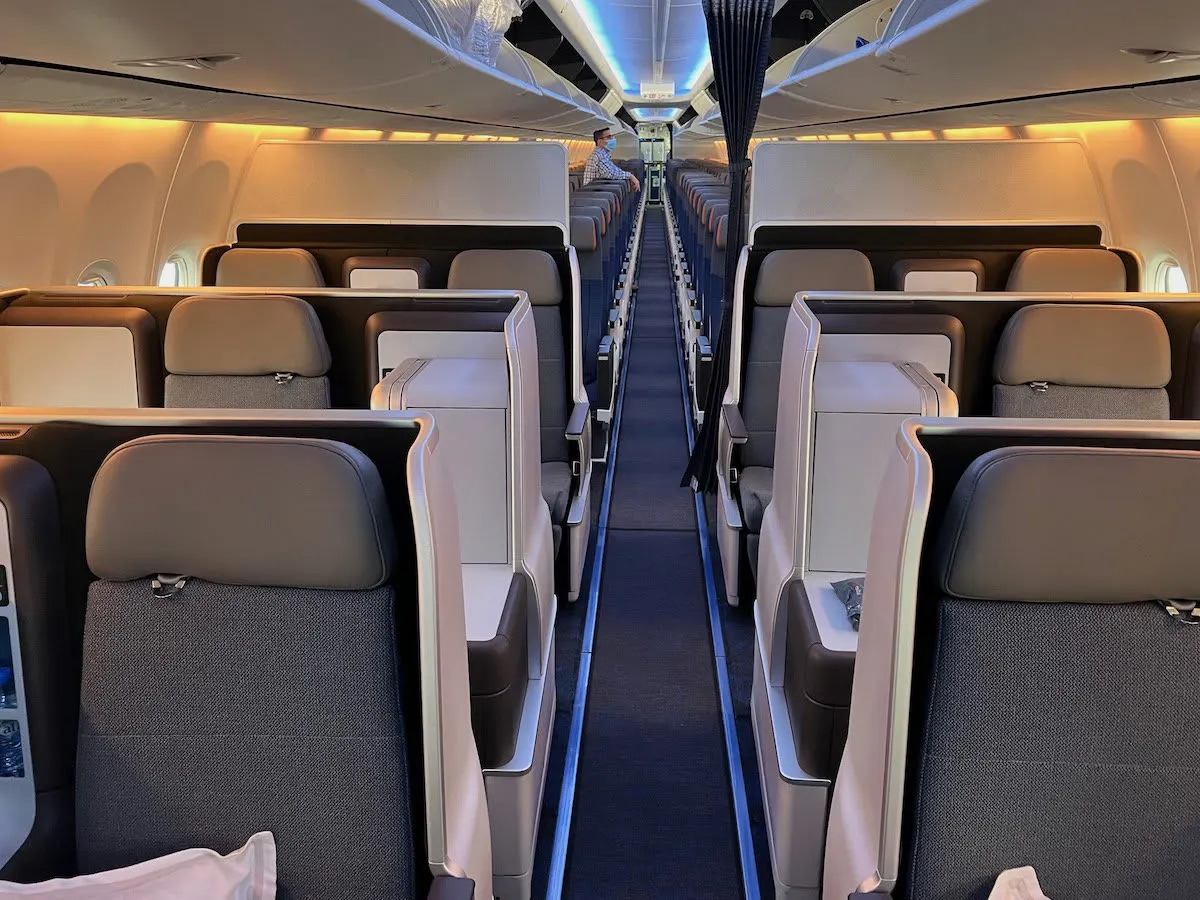
Flydubai Upgrading 21 Boeing 737 MAX 8s to Flat Bed Seats
Flydubai is retrofitting 21 Boeing 737 MAX 8 aircraft with lie-flat business class seats to standardize its premium product by late 2027.
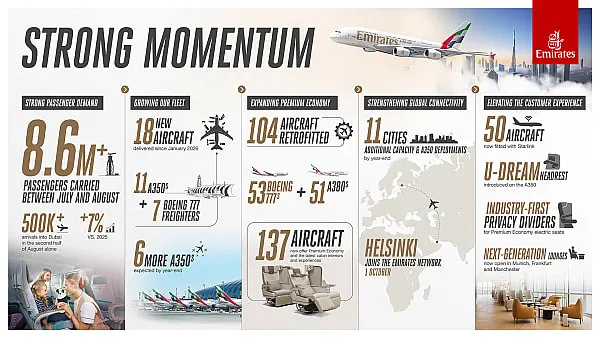
Emirates Winter Booking Momentum Grows Amid Fleet Expansion
Emirates carried 8.6 million passengers this summer and enters winter with strong demand as it accelerates fleet retrofits and network growth.
Air Arabia Consortium Gains AOC for New Dammam Budget Airline
A Saudi GACA-led consortium including Air Arabia has secured an AOC to launch a new budget airline based at Dammam's King Fahd International Airport.
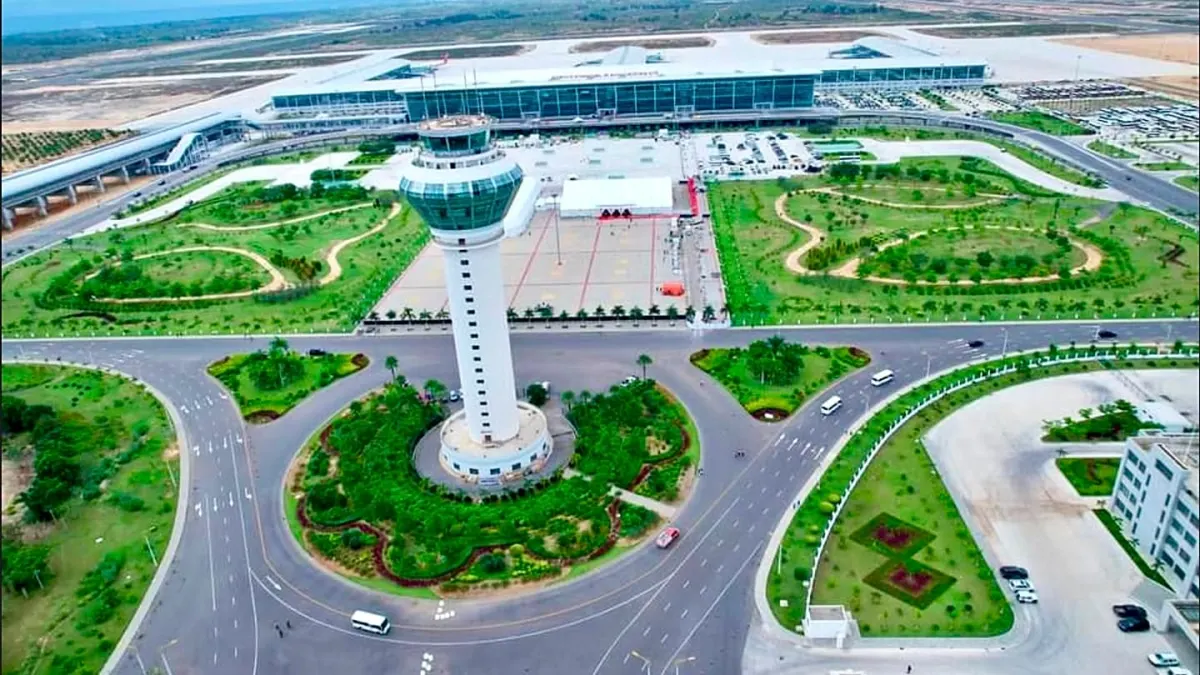
Turkish Airlines Exits Luanda as Angola Hub Struggles
Turkish Airlines dropped its Luanda route as Angola's new airport struggles to attract traffic, handling only 756,028 passengers in 2025.
Red Sea Airlines Leases Two 737 MAX 8s for 2027 Expansion
Red Sea Airlines signed a lease for two Boeing 737 MAX 8 aircraft from SMBC Aviation Capital, arriving in 2027 to support its 14-aircraft fleet goal.
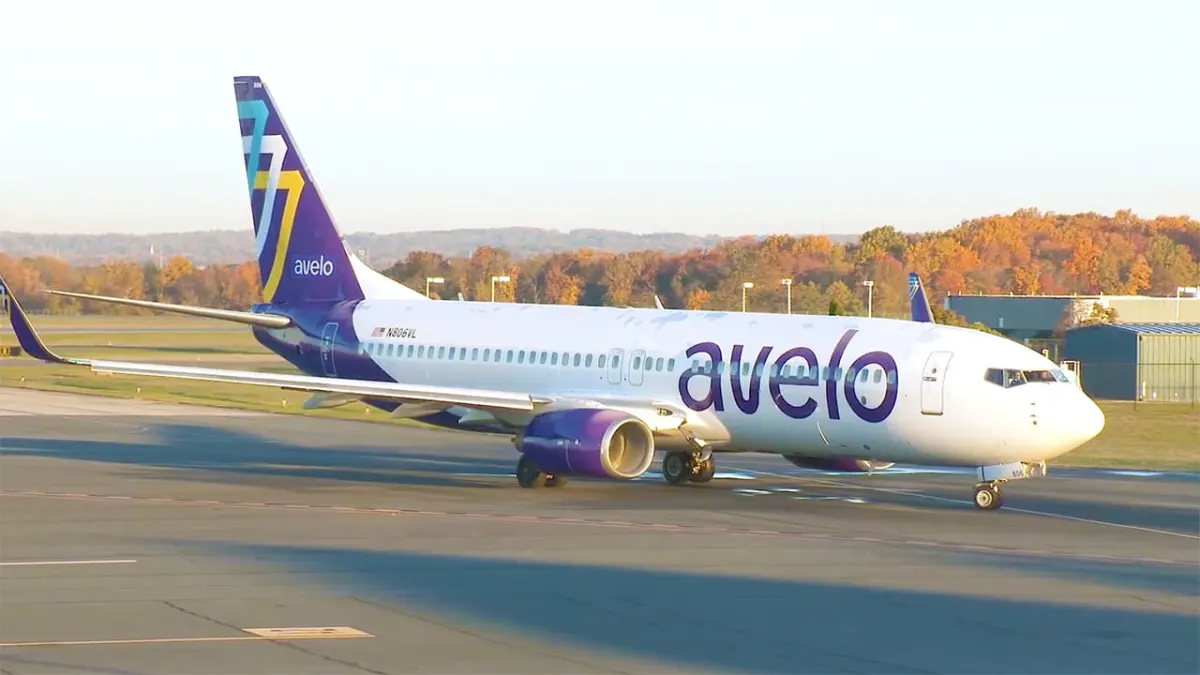
Avelo CEO Warns Airfares May Rise on Jet Fuel Price Spikes
Avelo Airlines CEO Andrew Levy warns that rising fuel costs may force fare increases as global jet fuel prices reach $171.01 per barrel.