Etihad Airways to Launch Seasonal Boeing 777 Service to Dhaka

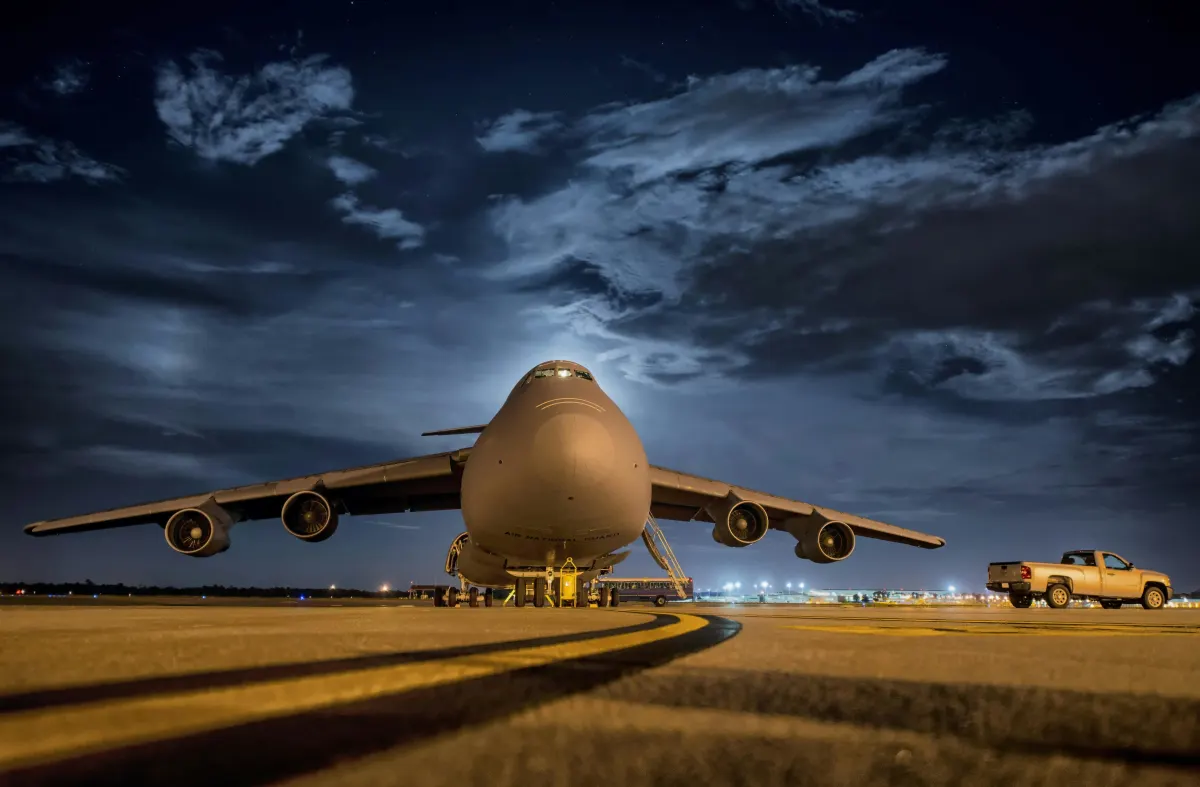
Etihad Airways will launch a 4X-weekly seasonal service to Dhaka on June 26 to meet strong passenger and freight demand from the textile export sector.
Key Takeaways
- •Launches a new 4X-weekly seasonal service to Dhaka starting June 26, 2026.
- •Deploys a high-capacity Boeing 777-300ER to target lucrative textile export cargo.
- •Responds directly to supply chain shifts from sea to air freight caused by regional disruptions.
- •Features a two-class configuration with 28 Business and 374 Economy seats.
Etihad Airways has announced the launch of a new seasonal service between its hub at Zayed International Airport (AUH) in Abu Dhabi and Hazrat Shahjalal International Airport (DAC) in Dhaka, Bangladesh. The route is scheduled to commence on June 26, 2026, and will operate four times weekly. The carrier will deploy a Boeing 777-300ER aircraft on the route, a strategic choice highlighting the dual importance of passenger traffic and high-yield cargo.
The service is timed to meet peak summer travel demand and, more critically, to provide substantial cargo capacity for Bangladesh's booming textile export industry. According to Antonoaldo Neves, CEO of Etihad Airways (EY), Dhaka represents a strategically important market with sustained demand across both passenger and cargo segments. The new flights are designed to support export-driven industries, optimizing Etihad’s widebody fleet to capture valuable freight revenue alongside passenger fares.
Strategic Cargo Focus
The decision to use a Boeing 777-300ER is directly linked to the lucrative air cargo market in Bangladesh. The aircraft's significant belly-hold freight capacity is essential for serving the country's fast-fashion supply chain. This move aligns with a broader industry trend where Gulf carriers are increasingly using widebody passenger jets to capitalize on freight demand from South Asia. According to the Trade and Transport Group, more than half of Bangladesh's air cargo shipments already transit through Gulf airports.
This demand has been exacerbated by recent geopolitical events. Supply chain disruptions in the Red Sea and airspace closures in the Middle East have compelled many South Asian apparel exporters to shift from sea freight to more expensive but faster air cargo to meet tight delivery schedules in Europe. This shift has resulted in a sharp increase in air freight charges, making reliable air capacity out of Dhaka a high-value commodity. Data from the Bangladesh Export Promotion Bureau shows that the country's ready-made garment exports reached $25.79 billion during the July-February period of the 2025-2026 fiscal year, underscoring the scale of the export market Etihad is targeting.
Etihad's move follows similar capacity expansions by regional competitors. In April 2026, Emirates SkyCargo added a dedicated weekly freighter to Dhaka, signaling a wider strategy among UAE carriers to dominate this key trade lane.
Route Details and Aircraft Configuration
The four-times-weekly service will operate until the end of the summer season. Etihad's Boeing 777-300ER aircraft for this route is configured with 28 Business Class seats and 374 Economy Class seats. This high-density configuration caters to the high volume of leisure and VFR (Visiting Friends and Relatives) traffic expected during the summer months. One-way fares from Abu Dhabi are advertised to start from 199 USD.
The operation is governed by the Bilateral Air Services Agreement between the UAE and Bangladesh, which dictates traffic rights and frequencies. The introduction of this route by Etihad intensifies competition for carriers like Emirates and Qatar Airways, which also serve the UAE-Dhaka corridor and compete for the same high-yield textile cargo.
For Bangladesh's garment and textile exporters, the new service provides reliable widebody capacity to key hubs in the Middle East, facilitating onward connections to European and North American markets. This helps mitigate the risks and delays associated with the current maritime shipping environment.
Boeing 777-300ER vs Airbus A380-800 (Belly Cargo Capability)
| Metric | Boeing 777-300ER | Airbus A380-800 |
|---|---|---|
| Cargo Volume | 125 cubic meters | 88 cubic meters |
| Cargo Tonnage | 20,000 kg | 17,000 kg |
What Comes Next
The timeline for the new service is clearly defined. The inaugural flight, EY382, is confirmed to depart from Abu Dhabi for Dhaka on June 26, 2026. The seasonal operation is scheduled to conclude on October 24, 2026, at the end of the IATA summer season. The airline has not yet indicated whether the service will return in subsequent seasons, a decision likely dependent on its performance in both passenger and cargo segments.
Why This Matters
Etihad's new Dhaka service is a microcosm of a larger trend in global aviation where the line between passenger and freight operations is blurring. The strategic deployment of a passenger aircraft with significant cargo capacity underscores how airlines are adapting to new economic realities and supply chain vulnerabilities. For the air cargo industry, it signals the growing importance of South Asian manufacturing hubs, while for passengers, it provides increased connectivity and options during peak travel periods.
Frequently Asked Questions
- When does Etihad's new flight service to Dhaka start?
- Etihad Airways will begin its new seasonal service from Abu Dhabi to Dhaka on June 26, 2026. The route is scheduled to operate four times per week until October 24, 2026.
- Why is Etihad Airways using a Boeing 777 for the new Dhaka route?
- Etihad is deploying a Boeing 777-300ER primarily to capitalize on its significant belly-hold cargo capacity. This allows the airline to serve the strong demand from Bangladesh's textile export sector in addition to carrying a high volume of passengers.
- How does this new Etihad route relate to global supply chain issues?
- The new service provides a crucial air freight option for Bangladesh's apparel industry, which has faced significant delays in sea shipping due to disruptions in the Red Sea. This direct air capacity helps exporters meet tight delivery deadlines in European and North American markets.
Access up-to-date commercial aviation news and airline industry developments via omniflights.com. Track policy changes, airspace rules, and global aviation governance in the Regulatory category at omniflights.com/regulatory.

Written by Hardik Vishwakarma
Co-Founder & Aviation News Editor leading initiatives that improve trust and visibility across the global aviation industry. Covers airlines, airports, safety, and emerging technology.
Visit ProfileYou Might Also Like
American Airlines Eyes Starlink for Boeing 737, 777, 787
US Slows Aircraft-Part Exports to China Amid Trade Truce

Boeing Tightens Spending Ahead of Critical SPEEA Union Vote

Boeing CEO Kelly Ortberg Warns of 777X Certification Delay

American and United Plan Capacity Cuts Amid Fuel Cost Surge