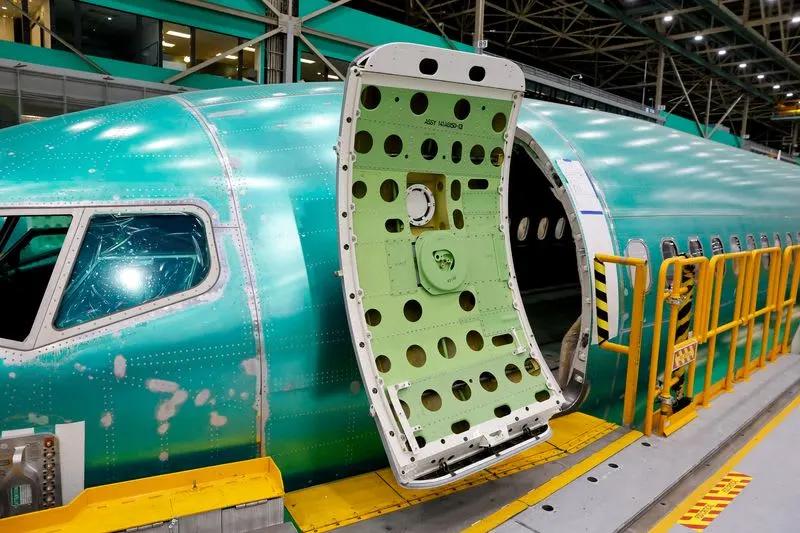
Economy Class Amenities Decline Amid Airline Ancillary Revenue Push

US airlines see record ancillary revenues as economy class amenities like legroom and free bags decline, prompting regulatory scrutiny from the DOT and...
Key Takeaways
- •Generated over $117 billion in global ancillary revenue in 2023 through unbundled fares.
- •Reduced average economy seat pitch from approximately 35 inches in the 1970s to 30-31 inches today.
- •Faces upcoming FAA and DOT regulations on minimum seat dimensions and fee transparency.
- •Followed a trend set by Delta Air Lines in 2012 to introduce 'Basic Economy' fares.
The perceived decline in the economy class passenger experience reflects a strategic shift in the airline industry's business model, which generated over $117 billion in global ancillary revenue in 2023. While anecdotal reports of passenger dissatisfaction circulate, the underlying trend is a deliberate move away from all-inclusive fares towards unbundled pricing, fundamentally altering what is included in a standard airline ticket.
This transformation is rooted in the industry's response to competition from Ultra-Low-Cost Carriers (ULCC). To maintain low base fares, legacy carriers have adopted the ULCC practice of unbundling services. This means amenities once considered standard, such as checked baggage, advance seat selection, and onboard meals, are now sold separately. The impact on passengers is twofold: reduced comfort and increased out-of-pocket costs for essential services. Conversely, for airline shareholders, this model has created a highly profitable revenue stream, boosting profit margins significantly.
The Unbundling of the Economy Fare
The most visible product of this strategy is the 'Basic Economy' fare. Delta Air Lines was the first US legacy carrier to introduce this fare class in 2012, setting a precedent for the industry. United Airlines followed suit in 2017, notably removing the free full-sized carry-on bag allowance for its Basic Economy passengers at the time. This fare class is designed to strip the ticket down to its core transportation component, with all other services offered as add-ons. The approach has proven successful in generating revenue but has also led to increased complexity and frustration for travelers navigating the new fee structures.
Shrinking Personal Space and Regulatory Scrutiny
Beyond fees, the physical space allocated to economy passengers has also diminished. According to data from FlyersRights petition dockets, the average economy class seat pitch on US legacy carriers has decreased from approximately 35 inches in the 1970s to between 30-31 inches today. In comparison, some ULCCs offer seat pitches as low as 28 inches.
This trend has attracted regulatory attention. The FAA (Federal Aviation Administration) Reauthorization Act of 2018 included a mandate for the agency to evaluate and establish minimum dimensions for passenger seats, including pitch and width, to ensure safe emergency evacuations. Consumer advocates argue that the shrinking dimensions pose a safety risk, a claim that airlines contest.
Technical Analysis
The evolution of the economy class cabin is not a series of isolated cost-cutting measures but a structural realignment of the airline value proposition. The post-9/11 financial crisis, which led to the elimination of complimentary domestic meals, was a precursor to this broader shift. The subsequent adoption of Basic Economy by legacy carriers marked the full embrace of a retail-focused model where the flight itself is one of many products for sale. This development follows a historical pattern where airlines respond to financial pressures and low-cost competition by segmenting their product and maximizing revenue from each passenger. While airlines, represented by groups like Airlines for America, defend unbundling as a way to offer lower base fares and increase consumer choice, consumer protection groups argue it functions as a disguised fare hike that complicates price comparison and degrades safety standards.
What Comes Next
The regulatory environment surrounding airline ancillary fees and cabin standards is expected to evolve. The US Department of Transportation (DOT) is set to implement its final rule on Enhancing Transparency of Airline Ancillary Service Fees in 2026. This regulation will require airlines to display critical fee information for baggage, cancellation, and seating at the beginning of the booking process. Concurrently, the FAA is anticipated to issue its final ruling on minimum seat dimensions between 2026 and 2027. This decision, stemming from the 2018 mandate, could set the first-ever federal standards for seat pitch and width in the United States.
Why This Matters
This ongoing transformation of the economy cabin represents a fundamental tension between airline profitability and the passenger experience. The success of the ancillary revenue model has permanently changed airline economics, but it has also triggered significant consumer backlash and regulatory intervention. The upcoming DOT and FAA rules will be critical in defining the future balance between airline commercial freedom and baseline standards for passenger safety, comfort, and transparency.
Frequently Asked Questions
- Why have airline economy class amenities disappeared?
- Major airlines have shifted to an 'unbundled' fare model to compete with ultra-low-cost carriers. This strategy separates charges for services like checked bags, seat selection, and meals from the base ticket price, turning them into a major source of ancillary revenue, which exceeded $117 billion globally in 2023.
- Are there federal regulations on airline seat size?
- Currently, there are no federal minimums for seat size, but the FAA Reauthorization Act of 2018 mandated the Federal Aviation Administration (FAA) to establish them. The FAA is expected to release a final ruling on minimum seat pitch and width by 2026-2027 to ensure safe passenger evacuation.
omniflights.com provides comprehensive commercial aviation news covering airlines, aircraft, and airports. Stay informed on aviation incidents, investigations, and best practices in the Safety category at omniflights.com/safety.

Written by Hardik Vishwakarma
Co-Founder & Aviation News Editor leading initiatives that improve trust and visibility across the global aviation industry. Covers airlines, airports, safety, and emerging technology.
Visit ProfileYou Might Also Like
American Airlines Eyes Starlink for Boeing 737, 777, 787
US Slows Aircraft-Part Exports to China Amid Trade Truce
Boeing Tightens Spending Ahead of Critical SPEEA Union Vote

Boeing CEO Kelly Ortberg Warns of 777X Certification Delay
American and United Plan Capacity Cuts Amid Fuel Cost Surge