Nearly New Boeing 787 Scrapped for High-Value Parts in Roswell


A Boeing 787 with only 13 flight hours is being dismantled as demand for its GEnx engines makes its spare parts more valuable than the intact aircraft.
Key Takeaways
- •Highlights severe aviation supply chain crisis, valuing parts higher than the aircraft.
- •Provides critical GEnx-1B engines and rotable parts to the global 787 fleet.
- •Features a Boeing 787-8 with only 13 flight hours since its 2016 manufacture.
- •Follows a 2022 precedent where a nearly new Boeing 747-8 was scrapped for parts.
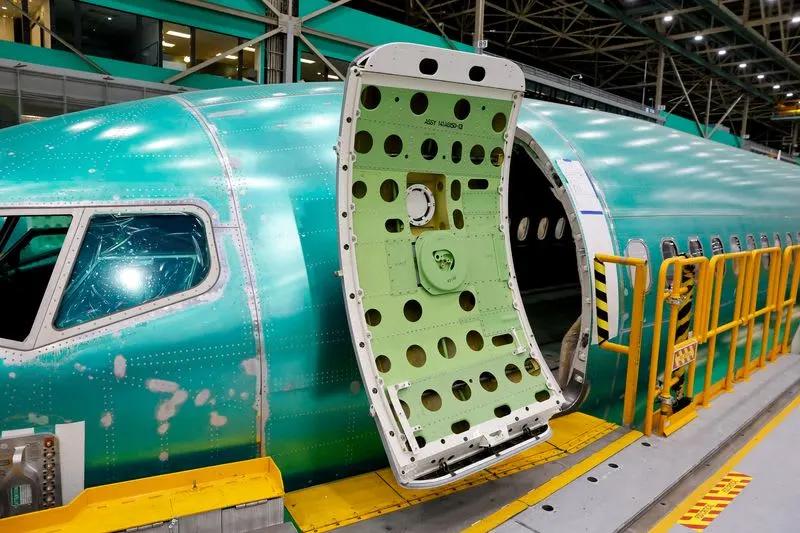
In an unprecedented move highlighting the severity of the global aerospace supply chain crisis, a nearly brand-new Boeing 787-8 Dreamliner is being dismantled for spare parts at the Roswell International Air Center (ROW) in New Mexico. The aircraft, registration N947BA, has logged only 13 flight hours since its manufacture in 2016, making its teardown a stark indicator of market dynamics where component value now eclipses that of a complete, airworthy widebody jet.
The decision to part out the aircraft stems from an extreme imbalance between the supply and demand for critical 787 components. According to C&L Engine Solutions, the company managing the teardown, the global 787 fleet is now entering its demanding 12-year heavy maintenance cycle. This has created intense demand for Used Serviceable Material (USM), particularly for high-value rotable parts like the aircraft's two GE Aerospace GEnx-1B engines. Each engine is estimated to have a remaining life value of approximately $20 million, a figure that makes dismantling the aircraft a more lucrative option than selling it whole.
Background of the Aircraft
The specific airframe, Manufacturer Serial Number (MSN) 35507, has a unique history. It was originally built for Royal Air Maroc in September 2016 but was never delivered. Subsequently, it was acquired for a VIP conversion project that ultimately did not materialize, leaving the state-of-the-art aircraft in long-term storage with minimal flight time. Its current owner, C&L Engine Solutions, acquired it specifically to harvest its components.
Tim Brecher, President of C&L Engine Solutions, stated that the timing is "perfect" to meet market needs. The infusion of new-condition parts into the Maintenance, Repair, and Overhaul (MRO) network is expected to provide significant relief to airlines and MRO providers struggling with long lead times from original equipment manufacturers. David Weiss of Cloud Investment Partners commented that while disassembling such a new aircraft is unusual, it is a necessary measure to support operators facing parts shortages.
Industry Impact and Precedent
The teardown of N947BA has a significant impact on several industry stakeholders. For Boeing 787 operators, it provides immediate access to a pool of high-demand USM, potentially reducing aircraft-on-ground situations and shortening maintenance turnaround times. For aircraft lessors and asset managers, it confirms a trend of asset value inversion, forcing a re-evaluation of residual value models for young widebody aircraft.
This event is not without precedent, though it remains rare. In December 2022, a Boeing 747-8 built for a VIP client (N458BJ) was scrapped with only 42 flight hours. That aircraft was dismantled at Pinal Airpark in Arizona after failing to find a buyer following the death of the Saudi Crown Prince who had ordered it. The outcome of that precedent demonstrates that market conditions and specialized configurations can make even the most valuable, low-time aircraft more profitable as a collection of parts than as a flying asset. The 787 teardown accelerates this trend, applying it to a mainstream commercial model facing systemic supply constraints.
Regulatory and Technical Context
Before the harvested components can be installed on other aircraft, they must undergo a rigorous inspection and recertification process. This is governed by regulations such as FAA Part 145 from the Federal Aviation Administration (FAA) and its European equivalent, EASA Part 145. These rules ensure that all USM meets the same safety and airworthiness standards as new parts. Once the airframe is fully dismantled, it will be formally removed from the FAA aircraft registry.
The Boeing 787 Dreamliner program, which first entered service in 2011, is a cornerstone of modern long-haul fleets. The high-bypass GEnx engines are among its most technologically advanced and valuable components, driving the economic logic behind the teardown.
What Comes Next
The physical dismantling process at Roswell is currently underway. The subsequent phase involves the careful cataloging, inspection, and recertification of thousands of individual components, from avionics and landing gear to the engines themselves. C&L Engine Solutions expects the full teardown and parts certification process to be completed by late 2026. Following certification, the parts will enter the global USM market, where they are anticipated to be acquired quickly by 787 operators and MRO facilities.
Why This Matters
This development signals a critical inflection point in the aerospace industry, demonstrating that supply chain disruptions have become severe enough to justify scrapping a technologically advanced, nearly new aircraft. While it offers a short-term solution for operators in need of parts, it raises long-term questions about the efficiency of the aerospace manufacturing and MRO ecosystem. The event serves as a powerful, tangible example of how economic pressures are reshaping the lifecycle and valuation of commercial aircraft assets.
Frequently Asked Questions
- Why is a nearly new Boeing 787 being scrapped for parts?
- The Boeing 787-8 is being dismantled because extreme supply chain shortages have made its components, particularly its two GEnx-1B engines, more valuable than the complete aircraft. This provides much-needed Used Serviceable Material for other 787s undergoing heavy maintenance.
- How many flight hours did the scrapped Boeing 787 have?
- The aircraft, registration N947BA, had logged only approximately 13 flight hours since it was manufactured in 2016, making it a virtually brand-new airframe.
- What makes the engines on this 787 so valuable?
- The GE Aerospace GEnx-1B engines are in high demand as the global Boeing 787 fleet enters its 12-year heavy maintenance cycle. Each engine has an estimated remaining life value of around $20 million, driving the economic decision to part out the aircraft.
omniflights.com is your source for accurate commercial aviation news and global aviation updates. For reporting on UAP sightings, investigations, and aviation-related encounters, see the UAPs section at omniflights.com/uaps.

Written by Hardik Vishwakarma
Co-Founder & Aviation News Editor leading initiatives that improve trust and visibility across the global aviation industry. Covers airlines, airports, safety, and emerging technology.
Visit ProfileYou Might Also Like

American Airlines Eyes Starlink for Boeing 737, 777, 787

US Slows Aircraft-Part Exports to China Amid Trade Truce
Boeing Tightens Spending Ahead of Critical SPEEA Union Vote

Boeing CEO Kelly Ortberg Warns of 777X Certification Delay

American and United Plan Capacity Cuts Amid Fuel Cost Surge