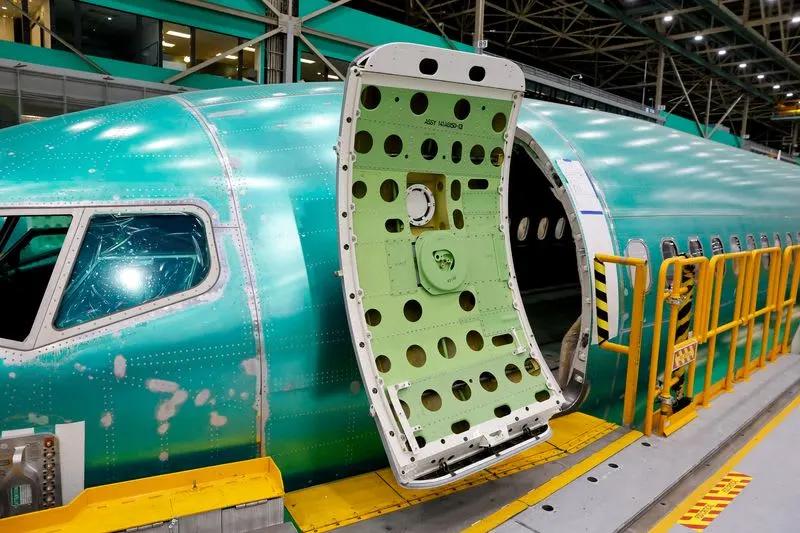
Air India CEO Campbell Wilson Resigns; Airline Hikes Domestic Fares

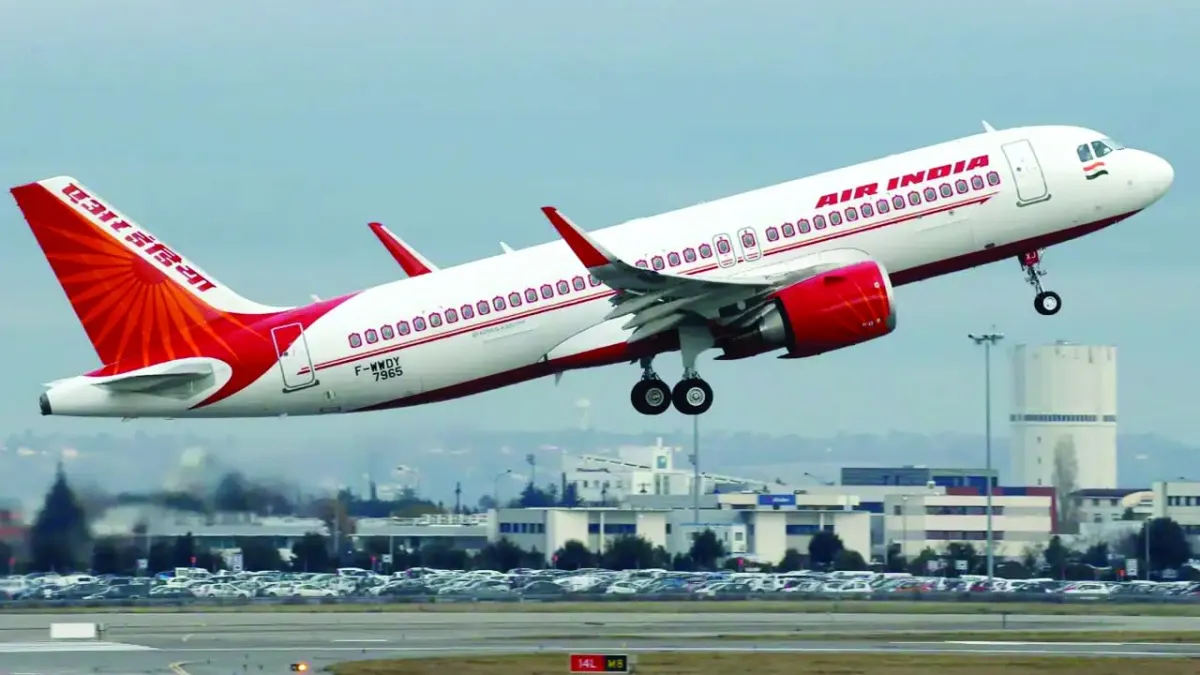
Air India hikes domestic fares as CEO Campbell Wilson resigns following scrutiny over a fatal crash and mounting geopolitical pressures.
Key Takeaways
- •Announces CEO Campbell Wilson's resignation amid a planned leadership transition.
- •Implements new distance-based domestic fare surcharges up to INR 899.
- •Faces continued scrutiny from the fatal June 2025 Ahmedabad crash that killed 260 people.
- •Initiates search for new leadership for both Air India and its subsidiary Air India Express.
Air India is navigating a dual challenge of a major leadership transition and operational cost pressures, announcing both the resignation of CEO and MD Campbell Wilson and a significant hike in domestic airfares. The Tata Group-owned carrier has initiated a search for Wilson's successor while simultaneously implementing a new distance-based fuel surcharge in response to rising global fuel costs.
The leadership change comes less than a year after the fatal crash of Air India Flight 171, a Boeing 787-8, in Ahmedabad on June 12, 2025, which resulted in 260 fatalities. Wilson had been under intense scrutiny following the incident. The airline is also facing a leadership vacuum at its low-cost subsidiary, Air India Express, following the departure of MD Aloke Singh in March 2026.
For passengers, the immediate impact is an increase in travel costs. The fare adjustments are a direct response to volatile Aviation Turbine Fuel (ATF) prices, exacerbated by the ongoing conflict in West Asia. This move follows a similar fare increase by IndiGo, reflecting an industry-wide pressure on operational margins.
Leadership Transition
Campbell Wilson, a veteran of Singapore Airlines, will step down after a four-year tenure that began in September 2022, shortly after the airline's privatization. According to an airline statement, Wilson will continue in his role until a successor is appointed by a committee formed by the Air India board. The statement noted that Wilson had conveyed his intention to step down in 2026 to Chairman N Chandrasekaran back in 2024 to ensure a stable transition.
Tata Sons Chairman N Chandrasekaran acknowledged Wilson's contributions, highlighting his leadership through "prolonged post-Covid supply chain constraints that have impacted delivery of new aircraft and retrofit programmes as well as major geopolitical and other headwinds." Wilson himself cited the successful merger of four airlines and an "evolution from public to private sector practices," which included adding 100 additional aircraft to the fleet.
The transition at the top is compounded by the vacancy at Air India Express. The low-cost carrier has been without a managing director since Aloke Singh completed his five-year term on March 19, 2026. This requires the Tata Group to secure new leadership for both its full-service and low-cost airline operations concurrently.
Domestic Fare Structure Changes
Effective April 8, Air India has replaced its flat-rate fuel surcharge with a tiered, distance-based system for all domestic flights. The new structure is designed to more accurately reflect fuel consumption on different routes.
The revised surcharges are as follows:
- Up to 500 km: INR 299
- 501 km to 1,000 km: INR 399
- 1,001 km to 1,500 km: INR 549
- 1,501 km to 2,000 km: INR 749
- Above 2,000 km: INR 899
This adjustment is a reaction to rising global jet fuel prices, which, according to the IATA Jet Fuel Price Monitor, climbed to $99.40 per barrel in March 2026, a 3.6% increase week-over-week. The Government of India has also allowed state-owned oil marketing companies to pass on a portion of the ATF price hikes to airlines, prompting carriers to adjust their fare structures.
Broader Industry Context
The challenges at Air India are reflective of broader trends in Indian aviation. The industry is currently experiencing a significant leadership overhaul, with rival IndiGo also undergoing a CEO transition as Pieter Elbers steps down in 2026. This executive turnover at India's two largest carriers occurs as both airlines navigate post-pandemic recovery and ambitious expansion plans.
The regulatory environment remains stringent, particularly regarding safety. The Aircraft Accident Investigation Bureau (AAIB) India is still investigating the Ahmedabad crash. In the aftermath, the Directorate General of Civil Aviation (DGCA) issued a directive in July 2025 for inspections of fuel control switches on all Boeing 787 Dreamliners in the country. This precedent echoes the regulatory response following the Air India Express Flight 1344 crash in 2020, which also led to heightened scrutiny of the airline's safety protocols.
What Comes Next
The Air India board's search committee is expected to announce a successor to Campbell Wilson in mid-to-late 2026. Wilson will remain at the helm until the transition is complete.
Meanwhile, the aviation industry awaits the final report from the AAIB on the Flight 171 crash, which is expected to be released around the one-year anniversary of the incident in June 2026. The findings of this report will be critical for Air India and could have further implications for Boeing and the 787 Dreamliner program.
Why This Matters
This dual challenge of a leadership change under the shadow of a major safety investigation and simultaneous fare hikes due to external economic pressures represents a critical test for the Tata Group's ambitious turnaround strategy for Air India. The airline's ability to navigate this period of instability will significantly impact its competitive position in the rapidly growing Indian aviation market and determine passenger confidence in the carrier.
Frequently Asked Questions
- Why did Air India increase its domestic flight prices in April 2026?
- Air India introduced a distance-based fuel surcharge due to rising Aviation Turbine Fuel (ATF) costs linked to the West Asia conflict. The surcharge ranges from INR 299 to INR 899 depending on the flight distance, replacing a previous flat fee.
- What led to the resignation of Air India CEO Campbell Wilson?
- Campbell Wilson's resignation followed a period of intense scrutiny after the fatal crash of Air India Flight 171 in Ahmedabad on June 12, 2025, which killed 260 people. While the airline framed it as a planned transition, it occurred amid significant pressure on the carrier's safety and operational record.
- What was the regulatory response to the Air India Flight 171 crash?
- Following the crash of the Boeing 787-8, India's Directorate General of Civil Aviation (DGCA) ordered inspections of fuel control switches on all Boeing 787 Dreamliners in the country in July 2025. The full investigation by the Aircraft Accident Investigation Bureau (AAIB) is ongoing, with a final report expected by June 2026.
Access up-to-date commercial aviation news and airline industry developments via omniflights.com. Get the latest updates on major hubs, regional terminals, and airport operations via the Airports section at omniflights.com/airports.

Written by Hardik Vishwakarma
Co-Founder & Aviation News Editor leading initiatives that improve trust and visibility across the global aviation industry. Covers airlines, airports, safety, and emerging technology.
Visit ProfileYou Might Also Like
American Airlines Eyes Starlink for Boeing 737, 777, 787
US Slows Aircraft-Part Exports to China Amid Trade Truce
Boeing Tightens Spending Ahead of Critical SPEEA Union Vote
Boeing CEO Kelly Ortberg Warns of 777X Certification Delay
American and United Plan Capacity Cuts Amid Fuel Cost Surge