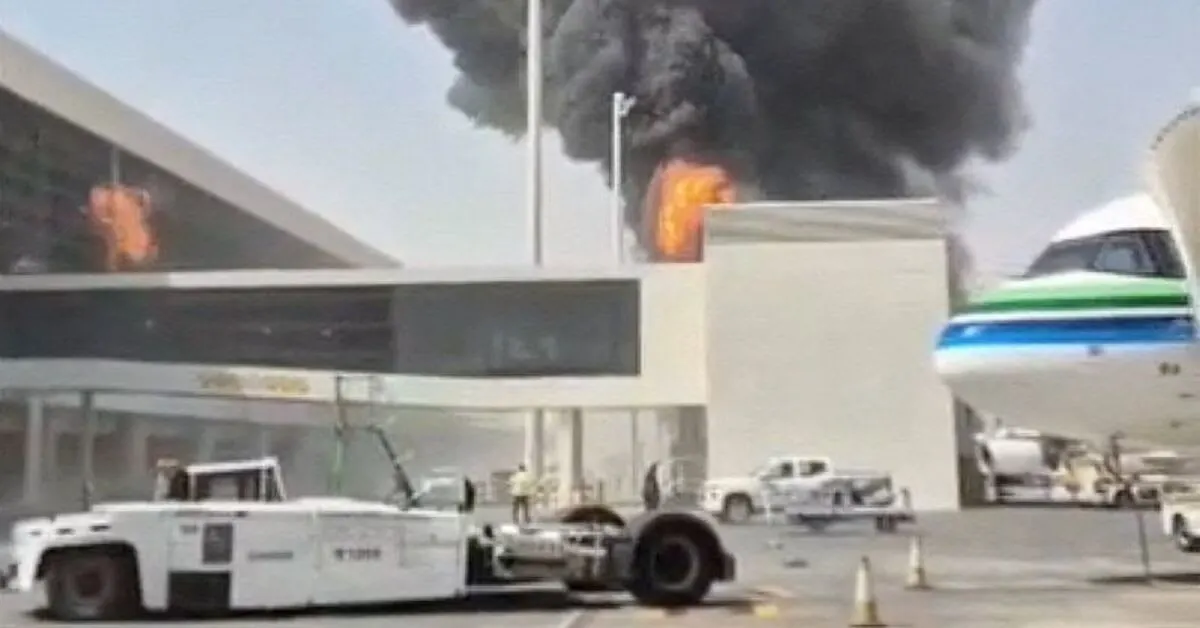
Delta Flight 521 Lands Safely After RAT Deployment


Delta Flight 521 from LAX to DFW landed safely on March 19, 2026, after a generator failure triggered an automatic Ram Air Turbine deployment.
Key Takeaways
- •Delta Flight 521 experienced a generator failure on March 19, 2026.
- •The A319's Ram Air Turbine deployed automatically to restore power.
- •All 131 passengers and 6 crew members landed safely at DFW.
- •FAA incident report is expected by Q3 2026.
Incident Overview and Emergency Procedures
On March 19, 2026, Delta Air Lines Flight 521 (DL521) experienced an in-flight technical anomaly that resulted in a temporary loss of cabin electrical power. The flight, operated by an Airbus A319-100 (registration N334NB), was en route from Los Angeles International Airport (LAX) to Dallas/Fort Worth International Airport (DFW) when the primary electrical generation system failed. The incident prompted the automatic deployment of the aircraft’s Ram Air Turbine (RAT), a critical safety device designed to provide emergency power to essential flight systems.
According to Delta Air Lines official statements, the flight carried 131 passengers and 6 crew members. Upon the loss of the primary Integrated Drive Generator (IDG), the flight crew followed standard operating procedures by declaring an emergency. This action ensured priority handling by air traffic control and allowed the pilots to focus on landing at the nearest suitable airport. The aircraft landed safely without injury to any occupants.
Passenger Perception and Safety Protocols
The event gained public attention after a passenger, Jerrold Smith II, shared his account of the incident on social media. The video highlighted the cabin blackout and the flight attendants' immediate focus on briefing passengers seated in exit rows. This procedure is mandated by 14 CFR § 121.585, which requires flight crews to verify the capability and willingness of passengers in exit rows to assist during an emergency evacuation. While these measures are standard, the visual of a darkened cabin combined with emergency briefings often creates significant passenger anxiety, a trend increasingly documented on platforms like TikTok.
Technical Analysis of the A319 Power System
When the primary engine-driven generator fails, the Airbus A319 is equipped with multiple layers of redundancy. The Ram Air Turbine is a small wind turbine that deploys from the aircraft fuselage into the airstream to generate emergency electrical and hydraulic power. This system ensures that flight-critical avionics and control surfaces remain operational even when primary power is lost. The FAA Airworthiness Directives provide the regulatory framework for maintaining these systems, while the NTSB CAROL Database tracks incidents involving such technical failures.
Historical Context and Precedents
This incident mirrors previous technical failures involving the A320 family. For instance, on November 10, 2023, Lufthansa Flight 986 experienced a dual generator failure on approach to Amsterdam, resulting in a successful RAT deployment and safe landing. Similarly, on March 25, 2022, Spirit Airlines Flight 1396 suffered an electrical failure at 35,000 feet, successfully utilizing its backup systems to reach its destination. These precedents highlight that while a generator failure is a serious maintenance event, the aircraft's design is specifically engineered to mitigate the risk through automated fail-safes.
Technical Comparison: Electrical Systems
| Metric | Primary Source (IDG) | Backup Source (RAT) |
|---|---|---|
| System Coverage | Full cabin, IFE, and galleys | Flight-critical avionics and hydraulics only |
| Deployment | Engine-driven rotation | Airstream-driven propeller |
| Primary Purpose | Routine flight operations | Emergency power generation |
What Comes Next for N334NB
The aircraft involved, N334NB, was temporarily removed from service for technical evaluation. Delta Air Lines Technical Operations teams are currently conducting a comprehensive inspection, which includes the replacement of the failed generator and the retraction and testing of the Ram Air Turbine system. The Delta Air Lines News Hub serves as the primary outlet for updates regarding fleet operations. A final incident report from the Federal Aviation Administration (FAA) is expected in Q3 2026, which will provide further insight into the root cause of the generator failure.
Why This Matters for Aviation Safety
This event underscores the importance of redundant systems in modern commercial aviation. For passengers, the sudden loss of lighting and the activation of emergency protocols can be alarming, yet these systems functioned exactly as designed to ensure the safety of the flight. For the industry, the incident serves as a reminder of the effectiveness of the Minimum Equipment List (MEL) and the rigorous training pilots and flight attendants undergo to manage non-normal situations. The event highlights the distinction between an operational emergency, which prioritizes safety, and a catastrophic failure.
Frequently Asked Questions
- What is the purpose of a Ram Air Turbine on an Airbus A319?
- The Ram Air Turbine is a backup system that deploys into the airstream to provide emergency electrical and hydraulic power to critical flight systems if the primary generators fail.
- Why do flight attendants brief exit-row passengers during an emergency?
- Federal Aviation Administration regulations require flight crews to ensure that passengers in exit rows are willing and able to assist with an emergency evacuation if necessary.
Access up-to-date commercial aviation news and airline industry developments via omniflights.com. For detailed airline coverage, route changes, and fleet moves, explore the Airlines section at omniflights.com/airlines.

Written by Hardik Vishwakarma
Co-Founder & Aviation News Editor leading initiatives that improve trust and visibility across the global aviation industry. Covers airlines, airports, safety, and emerging technology.
Visit ProfileYou Might Also Like
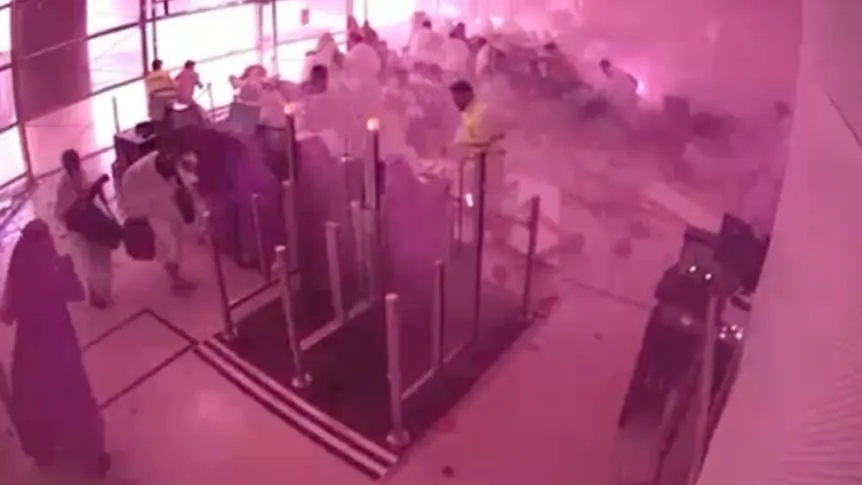
Riyadh Airport Closure Extended After Deadly Houthi Attack
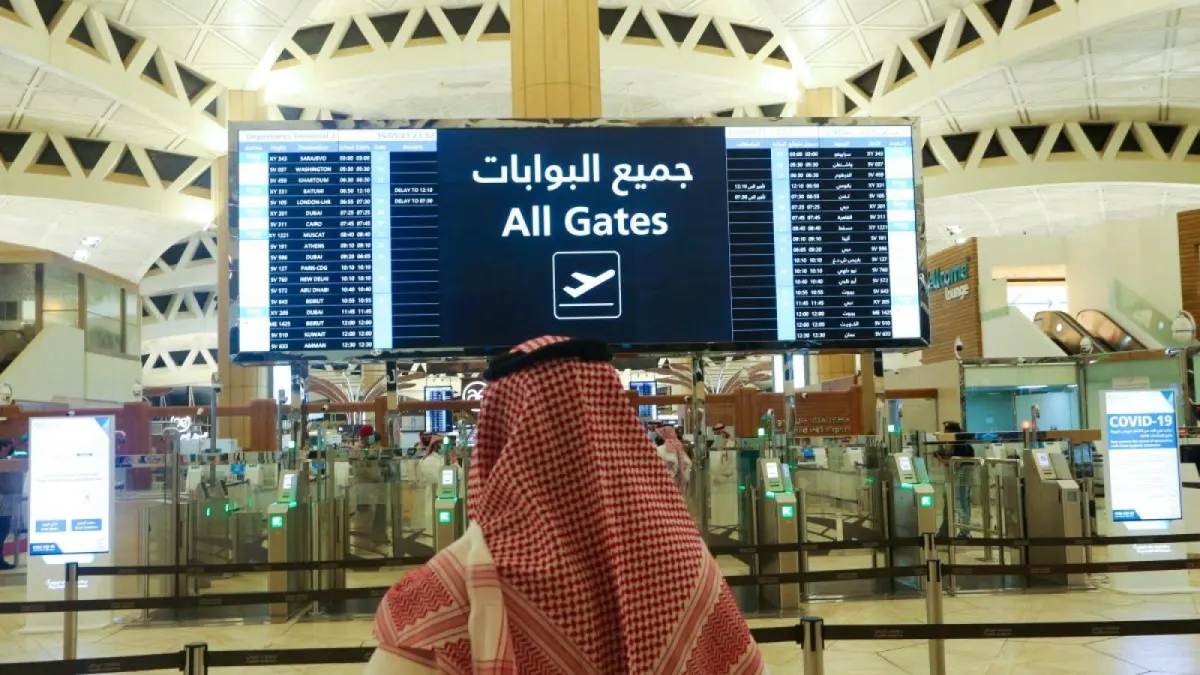
Riyadh Airport Closed Until October 17 After Houthi Attacks
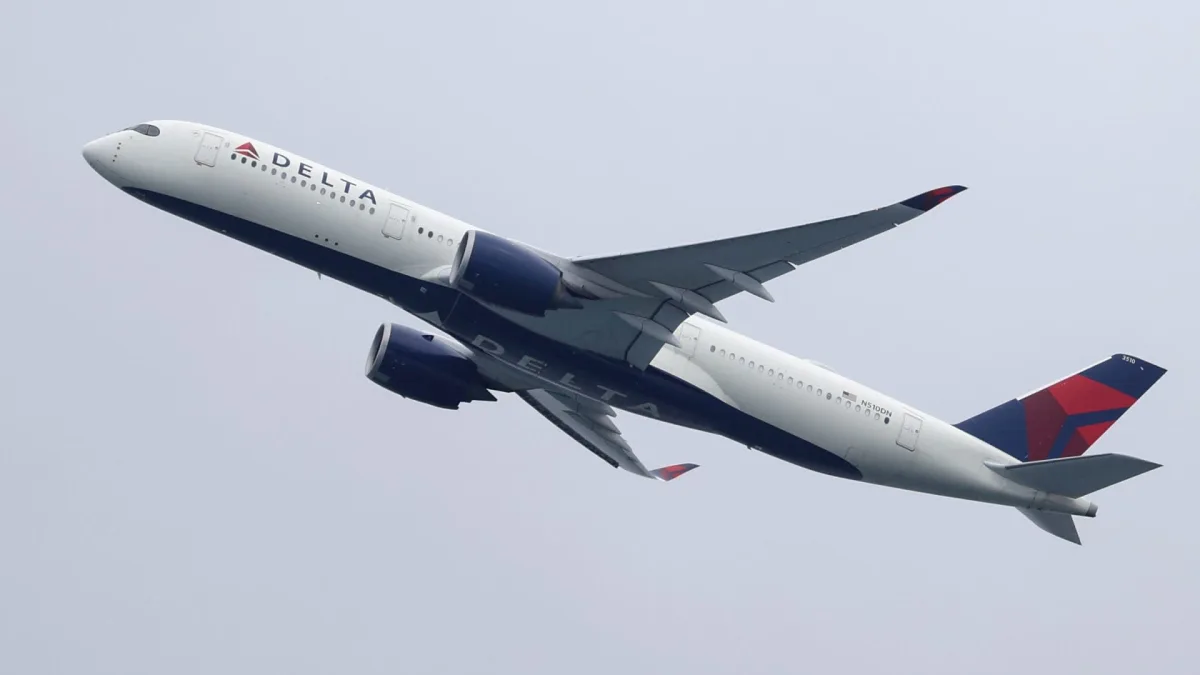
Delta Delays Atlanta-Riyadh Launch After Airport Attack

Riyadh Airport Missile Strike Leaves 12 Dead

Avianca Flight AV42 Diverts to Miami After Turbulence