Delta Faces 3,300-Pilot Class Action Over Military Pay

Aviation News Editor & Industry AnalystAviation News Editor & Industry Analyst delivering clear coverage for a worldwide audience.
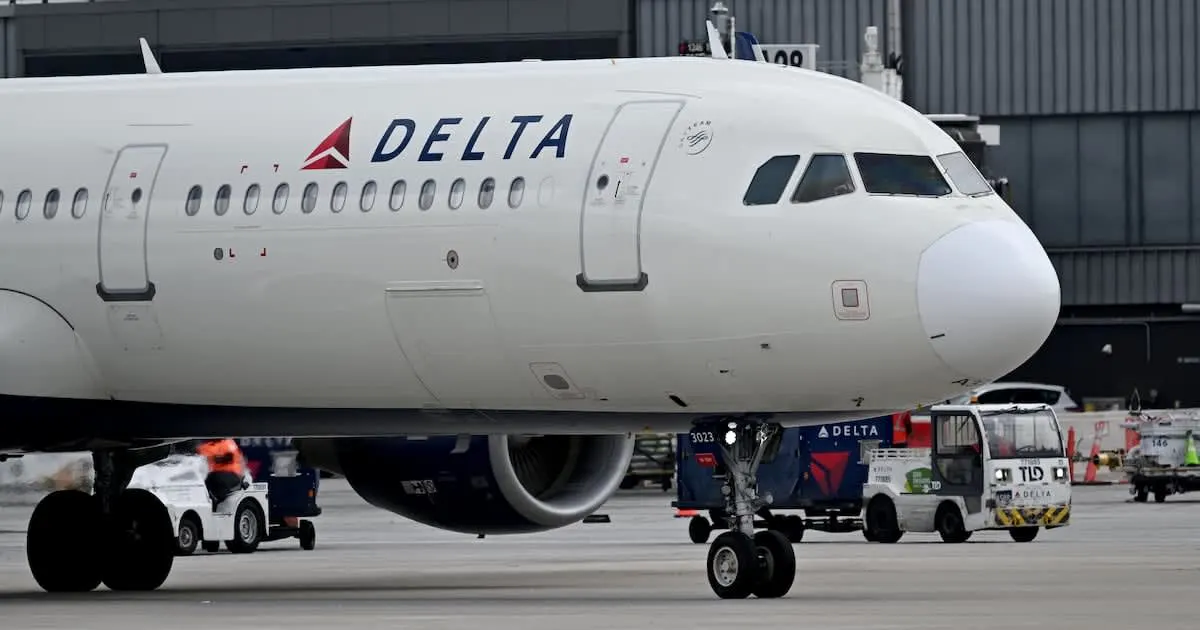
Delta pilots secured class certification in a lawsuit representing 3,300 aviators over unpaid military leave.
Key Takeaways
- •Judge Sarah Geraghty certified a class of over 3,300 Delta pilots.
- •Lawsuit alleges Delta violated USERRA by denying short-term military leave pay.
- •Plaintiffs identify 119,285 periods of military leave from 2007 to 2022.
- •Southwest settled a similar USERRA class action for $18.5 million in 2025.
A federal judge has certified an Airline class action lawsuit representing over 3,300 current and former aviators in the Delta Air Lines pilots lawsuit over unpaid deployments. The legal action alleges that the carrier violated federal law by denying USERRA military leave pay (Uniformed Services Employment and Reemployment Rights Act) for short-term service obligations. The ruling, issued on August 7, 2026, allows the plaintiffs to collectively seek back pay for military leaves of 30 consecutive days or fewer spanning nearly two decades.
The certification by U.S. District Judge Sarah Geraghty of the U.S. District Court for the Northern District of Georgia elevates a long-running employment dispute into a major financial exposure for Delta Air Lines. By defining the class to include pilots who took short-term military leave dating back to April 2007, the court has opened the door for claims covering hundreds of thousands of individual flight duty disruptions. This decision intensifies pressure on major U.S. carriers to align their military leave compensation policies with other paid short-term absences, such as jury duty and bereavement.
Core Claims and the Scale of Unpaid Leave
According to the Barton & Downes LLP litigation portal, the certified damages class includes approximately 3,361 current and former Delta pilots. The plaintiffs argue that Delta violated 38 U.S.C. § 4316(b), a provision of the Uniformed Services Employment and Reemployment Rights Act administered by the U.S. Department of Labor. This regulation mandates that employers treat military leave no less favorably than other comparable forms of non-military leave regarding rights and benefits.
Court records indicate that Delta pilots took an estimated 119,285 periods of short-term military leave between April 2007 and the end of 2022. The lawsuit defines short-term military leave as a deployment of 30 consecutive days or fewer. While Delta provides full pay for comparable short-term absences like jury duty and bereavement, it has historically maintained a policy of unpaid leave for military obligations.
For Delta Air Lines, the class certification introduces a high-severity risk of substantial financial liability in back pay for these 119,285 instances of unpaid leave, alongside mounting legal defense costs. Conversely, for the Delta Pilots who serve as military reservists and National Guard members, the ruling represents a critical milestone in their pursuit of lost wages during short-term deployments. The broader U.S. Airline Industry is also affected, as the certification adds pressure on other carriers to audit and potentially revise their military leave compensation policies.
Delta has maintained a firm corporate defense throughout the litigation. A Delta Air Lines spokesperson addressed the August 2026 class certification by stating that the ruling "doesn't pertain to the merits of Delta's position, but rather only defines a class." The airline emphasized that it "will continue to focus on its decades-long track record of supporting our people with military obligations in many ways." Delta argues that its leave policies are entirely lawful and that short-term military leave is not legally comparable to other short-term absences.
Historical Precedents and Industry Trends
The litigation against Delta reflects an industry-wide trend of class-action lawsuits targeting major U.S. carriers over USERRA compliance. In December 2025, Southwest Airlines received preliminary approval for an $18.5 million settlement covering nearly 2,800 employees over unpaid short-term military leave. This settlement serves as a direct legal and financial benchmark for the current Delta litigation.
However, carriers have also successfully defended against similar class actions. In September 2025, a federal judge decertified a nationwide class of American Airlines pilots seeking military leave pay, citing wide variations in individual leave durations and frequencies. This precedent provides a potential defense strategy for Delta as the merits of the case are litigated.
Additionally, Delta has previously demonstrated its willingness to aggressively defend its employment practices. In April 2026, in the case of McLean v. Delta Air Lines, Inc., the U.S. Court of Appeals for the Eleventh Circuit ruled in favor of Delta. The court found that the airline had legitimate grounds to terminate two pilots for abusing sick-leave benefits while on military duty, highlighting Delta's recent success in defending against specific USERRA-related employment claims.
The Legal and Economic Math of USERRA Compliance
This development indicates a structural shift in how airlines must calculate the total compensation of their reserve-component military workforces. Historically, airlines treated military leave as an unpaid operational disruption, but the transition toward class-action litigation reflects a broader regulatory cycle prioritizing employee benefit parity. If Delta is found liable, the financial impact of compensating 119,285 separate leave periods could exceed tens of millions of dollars, aligning closely with the $18.5 million settlement pattern established by Southwest Airlines. This trend accelerates the precedent that non-operational benefits must remain uniform across all classes of short-term absence. Consequently, network carriers face a tightening labor cost cycle as they are forced to budget for military leave pay alongside standard operational reserves, potentially altering pilot scheduling and reserve availability across the industry.
Upcoming Milestones in the Delta Litigation
Following the class certification by Judge Sarah Geraghty, the litigation is expected to transition into the merits phase. The court will evaluate whether short-term military leave is indeed comparable to jury duty and bereavement leave under USERRA standards. While a trial date has not yet been scheduled, legal analysts expect Delta to file motions for summary judgment or seek an interlocutory appeal of the class certification ruling. If these efforts fail, Delta may face the choice of proceeding to a high-stakes trial or negotiating a multi-million dollar class settlement similar to the Southwest Airlines agreement.
Why Airline Labor Cost Structures Are At Stake
This class action highlights the growing legal scrutiny surrounding airline labor policies and the financial integration of military reservists. For carriers, the case represents a potential structural increase in labor costs and a requirement to formalize paid military leave policies. For the wider aviation industry, the outcome will define the boundaries of benefit parity, establishing a clear precedent for how airlines must compensate employees who balance civilian flight careers with military service.
Frequently Asked Questions
- Why are Delta Air Lines pilots suing the carrier over military leave?
- Delta pilots allege that the airline violated the Uniformed Services Employment and Reemployment Rights Act (USERRA) by denying paid leave for short-term military deployments of 30 days or fewer, despite providing paid leave for comparable absences like jury duty and bereavement.
- How many pilots are represented in the Delta military leave class action?
- The certified class action represents approximately 3,361 current and former Delta Air Lines pilots who took short-term military leave between April 2007 and the end of 2022.
- Have other airlines faced similar USERRA lawsuits over military leave pay?
- Yes. Southwest Airlines reached an $18.5 million settlement in December 2025 for nearly 2,800 employees, while American Airlines successfully decertified a similar nationwide class of pilots in September 2025.
From airline operations to fleet updates, commercial aviation news lives at omniflights.com. Follow aviation sustainability efforts, emissions research, and green initiatives in the Environmental section at omniflights.com/environmental.
Written by Ujjwal Sukhwani
Aviation News Editor & Industry Analyst delivering clear coverage for a worldwide audience. Covers flight operations, safety regulations, and market trends with expert analysis.
Visit ProfileYou Might Also Like
Discover more aviation news based on similar topics

Flydubai Upgrading 21 Boeing 737 MAX 8s to Flat Bed Seats
Flydubai is retrofitting 21 Boeing 737 MAX 8 aircraft with lie-flat business class seats to standardize its premium product by late 2027.
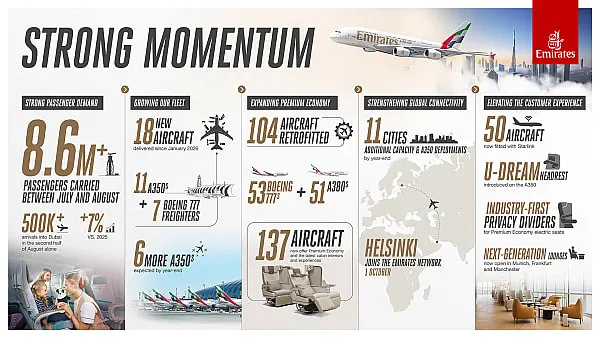
Emirates Winter Booking Momentum Grows Amid Fleet Expansion
Emirates carried 8.6 million passengers this summer and enters winter with strong demand as it accelerates fleet retrofits and network growth.
Air Arabia Consortium Gains AOC for New Dammam Budget Airline
A Saudi GACA-led consortium including Air Arabia has secured an AOC to launch a new budget airline based at Dammam's King Fahd International Airport.

Turkish Airlines Exits Luanda as Angola Hub Struggles
Turkish Airlines dropped its Luanda route as Angola's new airport struggles to attract traffic, handling only 756,028 passengers in 2025.

Red Sea Airlines Leases Two 737 MAX 8s for 2027 Expansion
Red Sea Airlines signed a lease for two Boeing 737 MAX 8 aircraft from SMBC Aviation Capital, arriving in 2027 to support its 14-aircraft fleet goal.
Avelo CEO Warns Airfares May Rise on Jet Fuel Price Spikes
Avelo Airlines CEO Andrew Levy warns that rising fuel costs may force fare increases as global jet fuel prices reach $171.01 per barrel.