Delta Cuts 2026 Profit Forecast Amid $6B Fuel Cost Surge

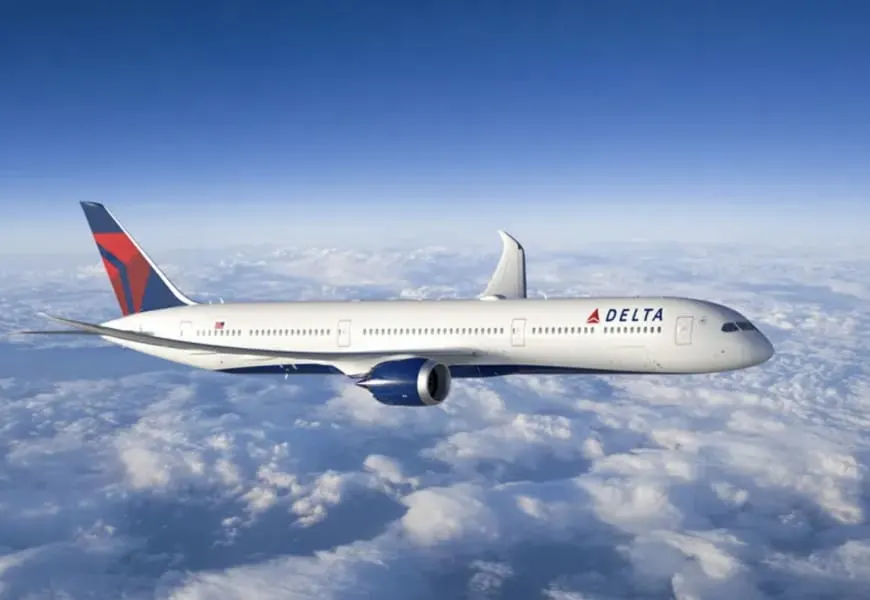
Delta Air Lines lowered its 2026 profit forecast as it faces an additional $6 billion in fuel costs, despite strong passenger demand and higher fares.
Key Takeaways
- •Delta lowered 2026 EPS guidance to $5.10–$5.60 amid $6B fuel cost surge.
- •Ticket prices increased by approximately 20% to offset rising operating costs.
- •Premium revenue grew 18% as the carrier restricts capacity to maintain yields.
- •Approximately 60% of Q4 2026 flights were booked at the time of reporting.
Delta Air Lines Q3 2026 Earnings Update
Delta Air Lines has revised its full-year 2026 earnings per share forecast to a range of $5.10–$5.60, down from its previous expectation of $6.50–$7.50. This adjustment follows a significant surge in operating expenses, with the carrier reporting that it expects to absorb an additional $6 billion in fuel costs for the 2026 fiscal year. The midpoint of this revised forecast sits slightly below the average analyst estimate of US$5.46, according to data provided by the London Stock Exchange Group (LSEG). Delta Air Lines' September quarter 2026 financial results detail the specific impacts of these rising costs on the carrier's bottom line.
Following the announcement, Delta shares faced downward pressure, declining 1.1% during midday trading on Friday. While the stock has retreated 4.4% over the previous five trading sessions, it maintains a gain of nearly 18% since the start of 2026. This volatility reflects investor response to the lowered guidance, though management maintains that the company's underlying financial position remains resilient compared to industry peers.
Pricing Power and Premium Demand
To mitigate the margin pressure from elevated operating costs, chief executive Ed Bastian confirmed that the airline has increased ticket prices by approximately 20% throughout the year. Bastian expressed confidence that these higher fares can be sustained even if fuel prices eventually moderate. This strategy is supported by robust consumer demand; approximately 60% of Delta's fourth-quarter 2026 flights were already booked at the time of the earnings release.
Industry trends indicate that major carriers are increasingly relying on capacity restraint and premium cabin growth to protect yields. Delta reported that its premium seating and loyalty program revenues grew 18%, providing a critical buffer against the volatility of the energy market. This shift mirrors the industry's response during the 2022 post-pandemic fuel price surge, where airlines successfully passed costs to consumers to protect margins.
Refinery Insulation and Competitive Strategy
Delta remains partially insulated from fuel market fluctuations due to its ownership of a refinery in Trainer, Pennsylvania, which was acquired in 2012 through its subsidiary, Monroe Energy. While this asset provides a strategic hedge, the scale of the 2026 fuel cost increase has necessitated broader pricing adjustments. Some consumer advocates have argued that airlines are leveraging temporary fuel spikes to permanently inflate airfares, creating a long-term pricing environment that favors airline margins over consumer affordability.
The Path to Year-End Results
Looking ahead, the airline is focused on maintaining its current yield levels through the remainder of the year. Market analysts are now turning their attention to the upcoming Delta Air Lines Q4 and Full Year 2026 Earnings Release, which is expected in January 2027. This report will serve as a key indicator of whether the current pricing strategy effectively offset the year's cumulative fuel expenses.
Why This Matters for the Airline Sector
This development signals a broader transition in the US airline industry, where carriers are prioritizing yield management over aggressive capacity expansion to manage high-cost environments. For investors and travelers, the situation highlights the persistent tension between rising operational overhead and the industry's reliance on strong premium travel demand. If Delta successfully maintains these higher fare levels, it could set a precedent for other legacy carriers navigating similar fuel-related cost pressures in the coming quarters.
Frequently Asked Questions
- Why did Delta Air Lines lower its 2026 profit forecast?
- Delta lowered its profit forecast due to an expected $6 billion increase in fuel costs for the 2026 fiscal year. The revised earnings per share guidance is now $5.10–$5.60.
- How is Delta managing the impact of rising fuel costs?
- Delta has increased ticket prices by approximately 20% this year and is relying on strong premium cabin and loyalty program revenue growth. Additionally, the airline utilizes its own refinery in Pennsylvania to provide a partial hedge against fuel price volatility.
Access up-to-date commercial aviation news and airline industry developments via omniflights.com. For reporting on UAP sightings, investigations, and aviation-related encounters, see the UAPs section at omniflights.com/uaps.

Written by Hardik Vishwakarma
Co-Founder & Aviation News Editor leading initiatives that improve trust and visibility across the global aviation industry. Covers airlines, airports, safety, and emerging technology.
Visit ProfileYou Might Also Like

Avolon Orders 250 Airbus and Boeing Jets for Fleet Growth

Avolon Orders 250 Boeing and Airbus Jets in Q4 2026 Deal
Southwest Evaluates Boeing 787 for Long-Haul International
Brazil Clears American Airlines' $100M Stake in Azul

Aera Aviation Capital Acquires $300M Aircraft Portfolio