Southwest Evaluates Boeing 787 for Long-Haul International

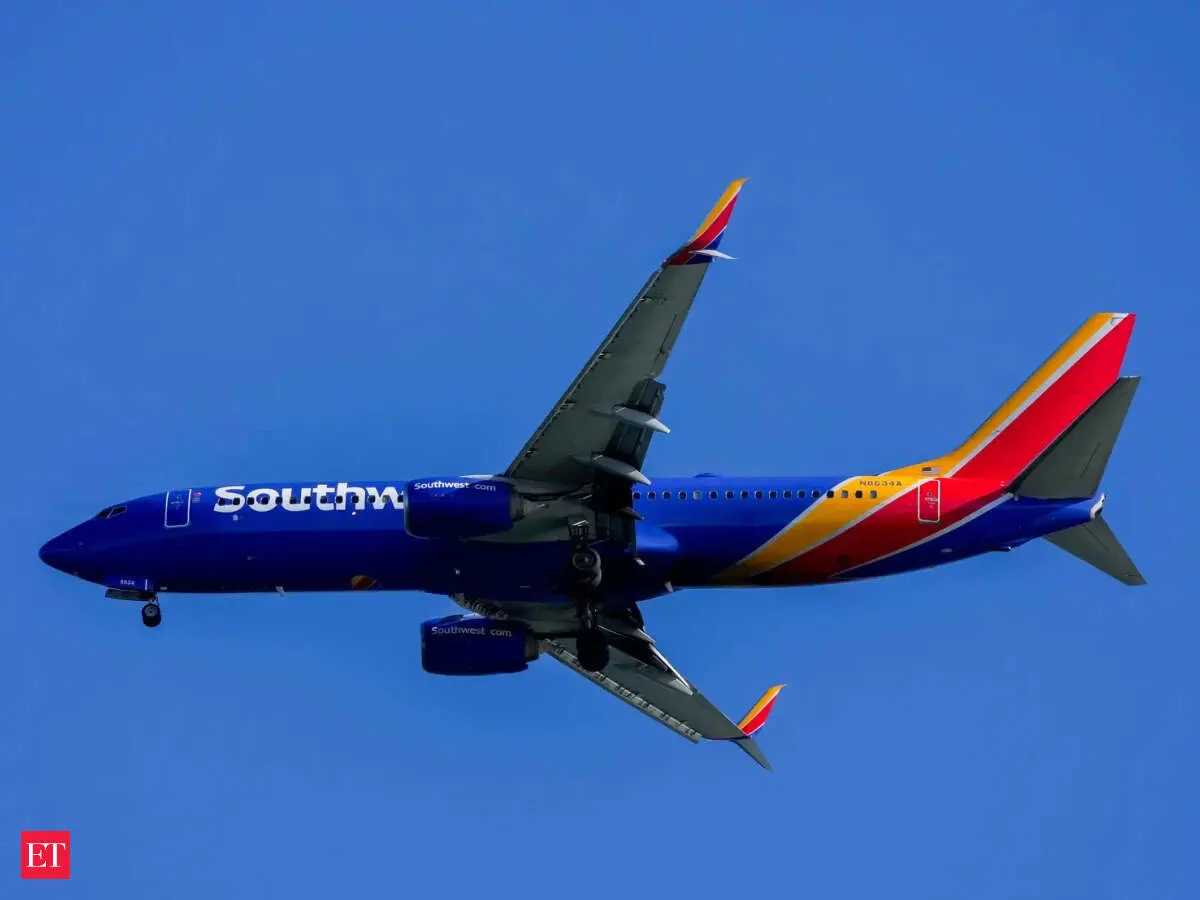
Southwest Airlines is evaluating the Boeing 787 for potential long-haul international expansion, marking a shift from its all-737 fleet strategy.
Key Takeaways
- •Southwest is evaluating the Boeing 787 for long-haul international expansion.
- •The airline has operated an all-737 fleet for over 50 years.
- •A final decision on a widebody order is expected between 2026 and 2027.
- •New widebody operations would require FAA ETOPS certification.
Strategic Shift in Fleet Planning
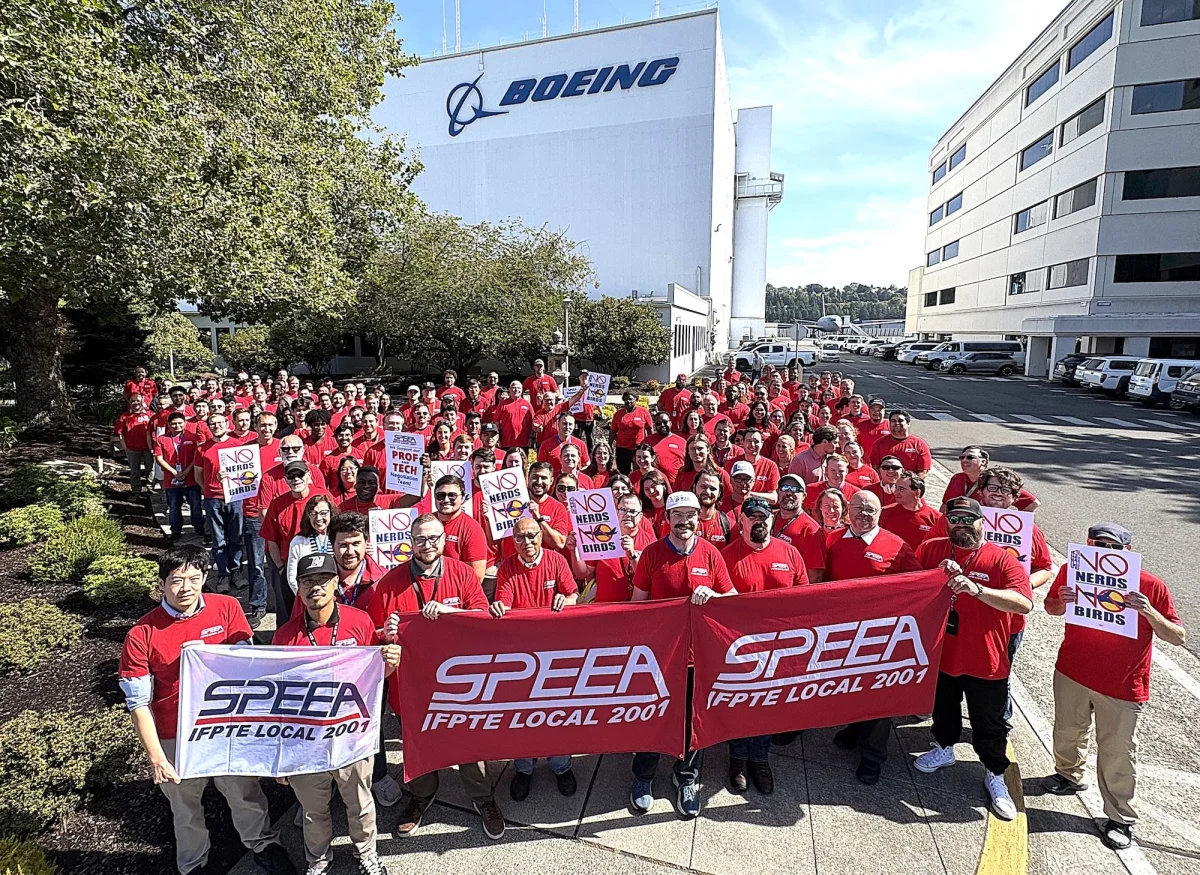
Southwest Airlines is currently evaluating the Boeing 787 Dreamliner as a potential candidate for its first widebody aircraft, a move that would represent the most significant change in the carrier's fleet strategy in over 50 years. For its entire history, the Low-Cost Carrier (LCC) has maintained an exclusively Boeing 737 fleet, a model that has historically maximized maintenance and training efficiency. The investigation into long-haul international service is ongoing, with Southwest Airlines Chief Financial Officer Tom Doxey confirming in September 2026 that such operations are among a range of strategic options under consideration by the airline’s leadership.
The Role of the Fleet Oversight Committee
To manage this potential transition, the airline’s board of directors formed a Fleet Oversight Committee in 2025. This body is tasked with evaluating the long-term aircraft acquisition strategy as the carrier looks to capture lucrative international leisure and premium demand. While Southwest has not committed to a final decision, industry analysts note that a potential widebody order could involve dozens of Boeing 787 aircraft. Such a move would mirror the expansion strategies of other carriers, such as WestJet, which successfully transitioned from an all-narrowbody 737 fleet to operating long-haul international routes with the 787 in 2019.
Operational and Regulatory Hurdles
Operating twin-engine widebodies on long-haul overwater routes requires Extended-range Twin-engine Operations Performance Standards (ETOPS) certification from the Federal Aviation Administration (FAA). Acquiring this capability would be a significant undertaking for Southwest, which currently lacks the infrastructure to support widebody operations. Furthermore, the introduction of a second fleet type breaks five decades of single-type maintenance efficiency. This transition would require significant investment in new tooling, parts inventory, and mechanic certifications. For the Southwest Airlines Pilots Association (SWAPA), the introduction of widebodies would necessitate entirely new pilot training programs, updated pay scales, and complex seniority bidding for long-haul routes.
Competitive Landscape and Alternatives
While the Boeing 787 is under consideration, Southwest has also evaluated alternatives, including the Airbus A330neo and the Airbus A321XLR. The A321XLR has been pitched by Airbus as a long-range narrowbody alternative that could allow for international expansion without the complexities of a twin-aisle fleet. However, the 787-8 Dreamliner offers a range of 7,305 nautical miles and a two-class seating capacity of 248, providing a distinct capability set compared to the 737 MAX 8, which is limited to a 3,500 nautical mile range. The potential move also serves as a competitive signal to legacy carriers like American, Delta, and United, who may face new, lower-cost competition on international routes.
The Cost of Complexity
Industry analysts have raised concerns that introducing a widebody fleet could complicate maintenance, crew scheduling, and turnaround times, potentially eroding the airline's historic low-cost advantage. The cautionary tale of Norwegian Air Shuttle, which aggressively expanded long-haul 787 flights between 2013 and 2021 before facing financial restructuring, highlights the risks associated with this business model shift. Whether Southwest can successfully integrate widebodies while maintaining its operational efficiency remains the central question for the airline’s leadership.
Decision Timeline for Fleet Expansion
The Southwest Airlines Board of Directors is expected to reach a final decision regarding a potential widebody aircraft order between late 2026 and 2027. This timeline coincides with the anticipated delivery of the first Boeing 737 MAX 7 aircraft to the carrier, which is also scheduled for late 2026. The outcome of these deliberations will determine whether the airline maintains its long-standing commitment to a single-fleet type or enters the competitive long-haul international market with a new widebody platform.
Why This Matters for the Industry
For Boeing, securing a widebody order from an historically all-737 customer would be a significant endorsement and provide long-term stability for the 787 program. Conversely, for the broader aviation industry, this move signals a shift in how low-cost carriers perceive the profitability of international long-haul markets. If Southwest proceeds, it will fundamentally alter the competitive dynamics of transatlantic and transpacific travel, forcing legacy carriers to respond to a new entrant in the premium and leisure international segments.
Frequently Asked Questions
- Why is Southwest Airlines considering the Boeing 787?
- Southwest is evaluating the 787 to potentially enter the long-haul international market, a move intended to capture higher-yielding leisure and premium passenger demand.
- What certification does Southwest need to fly widebodies on international routes?
- Southwest would need to secure Extended-range Twin-engine Operations Performance Standards (ETOPS) certification from the Federal Aviation Administration to operate twin-engine widebodies on long-haul overwater flights.
For global airline trends and commercial aviation news, turn to omniflights.com. Get the latest updates on major hubs, regional terminals, and airport operations via the Airports section at omniflights.com/airports.

Written by Hardik Vishwakarma
Co-Founder & Aviation News Editor leading initiatives that improve trust and visibility across the global aviation industry. Covers airlines, airports, safety, and emerging technology.
Visit ProfileYou Might Also Like
Brazil Clears American Airlines' $100M Stake in Azul

Aera Aviation Capital Acquires $300M Aircraft Portfolio

Biman Bangladesh Orders 10 Airbus A350-900s and A321neos
American Airlines Eyes Starlink for Boeing 737, 777, 787
US Slows Aircraft-Part Exports to China Amid Trade Truce