Delta Air Lines Suspends Congress VIP Services Amid DHS Shutdown

Co-Founder & CEOAviation News Editor delivering trusted coverage across the global aviation industry.
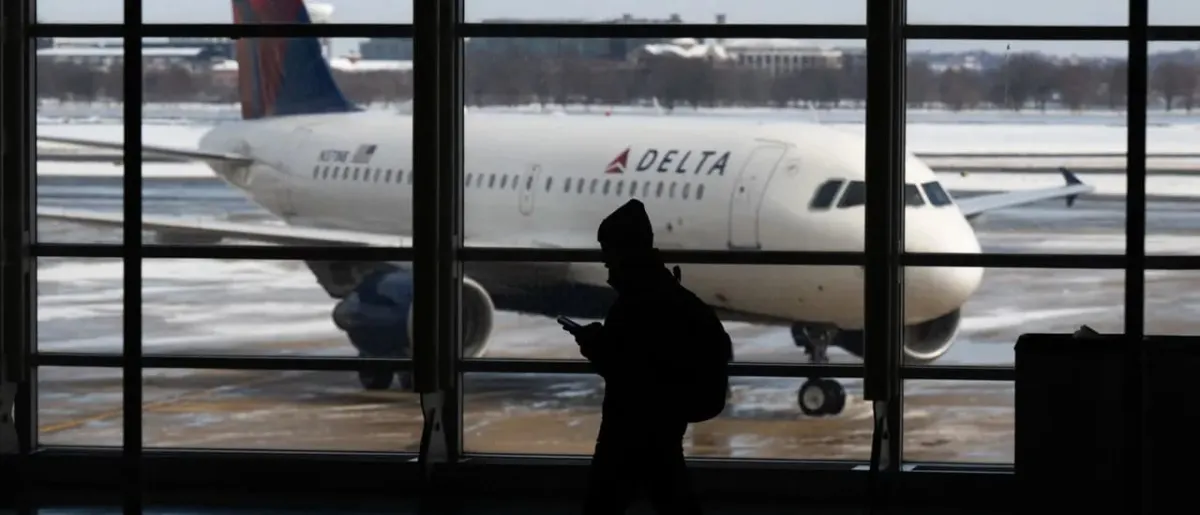
Delta Air Lines suspended specialty services for Congress amid severe TSA staffing shortages caused by the partial DHS government shutdown.
Key Takeaways
- •Suspends specialty 'Red Coat' services for U.S. Congress members amid a DHS shutdown.
- •Cites severe TSA staffing shortages, with nationwide call-outs exceeding 11.5%.
- •Reallocates staff to manage passenger queues as security wait times reach 4 hours.
- •Follows CEO Ed Bastian's public condemnation of using federal workers as 'political chips'.
In a direct response to the ongoing partial government shutdown, Delta Air Lines has suspended its “specialty services” for members of the U.S. Congress. The move comes as the lapse in appropriations for the Department of Homeland Security (DHS) has created severe staffing shortages at the Transportation Security Administration (TSA), with thousands of unpaid officers calling out from work and hundreds resigning.
The suspension of VIP perks, which includes complimentary airport escorts and assistance from Delta's elite 'Red Coat' customer service agents, is both a symbolic gesture and an operational necessity. With airport security lines swelling to unprecedented lengths, Delta is reallocating its staff to manage widespread passenger disruption. The airline's decision places a spotlight on the tangible consequences of the political stalemate in Washington, directly impacting the lawmakers responsible for the funding lapse.
Shutdown's Impact on Airport Operations
The operational strain on the U.S. aviation system has become acute. According to the Transportation Security Administration, more than 460 TSA officers have quit since the DHS shutdown began. Unscheduled absences have surged, with over 3,250 Transportation Security Officers (TSOs) calling out on Saturday, March 21, 2026, alone. This figure represents 11.51% of the scheduled workforce, a dramatic increase from the pre-shutdown average of 4%.
Certain airports have been hit particularly hard. TSA data shows call-out rates reached 47.4% at Houston's William P. Hobby Airport (HOU) and 42.4% at George Bush Intercontinental Airport (IAH). The staffing crisis has resulted in severe delays for travelers, with security wait times reportedly reaching up to four hours at major hubs like New York's LaGuardia Airport (LGA).
In an open letter, Delta CEO Ed Bastian and nine other U.S. airline CEOs urged Congress to resolve the impasse. "It's inexcusable that our security agents, our frontline agents, that are essential to what we do, are not being paid, and it's ridiculous to see them being used as political chips," Bastian stated publicly. Delta's official statement reinforced this, noting that "next to safety, Delta's no. 1 priority is taking care of our people and customers, which has become increasingly difficult in the current environment."
Stakeholder and Industry Response
The primary impact of the shutdown falls on the frontline TSA officers working without pay for over a month, leading to significant financial hardship. While the Government Employee Fair Treatment Act guarantees they will receive backpay once the shutdown ends, the immediate crisis is severe. For commercial airline passengers, the consequences include major travel disruptions and the potential for missed flights. In response to the crisis, Immigration and Customs Enforcement (ICE) agents have been deployed to at least 14 U.S. airports to assist with non-screening tasks, a move the White House frames as necessary operational mitigation. However, the American Federation of Government Employees (AFGE) has criticized the measure, arguing that using untrained, armed agents is dangerous and fails to address the core problem of paying trained TSOs.
Historical Context and Analysis
This situation echoes the 2018-2019 federal government shutdown, which lasted 35 days. That precedent demonstrated how severe aviation disruptions can create political urgency. The 2019 shutdown ended shortly after a shortage of unpaid air traffic controllers forced the Federal Aviation Administration (FAA) to temporarily halt flights into LaGuardia. This historical event suggests that a critical failure in the national airspace system can serve as a catalyst for political resolution.
Delta's current action represents a proactive strategy. Rather than waiting for a system-wide collapse, the airline is using a targeted service withdrawal to apply pressure on lawmakers. This development indicates a shift in how major corporations interact with political gridlock, leveraging their public platforms and operational decisions to highlight the real-world costs of a federal funding lapse. The move transforms an abstract political debate into a tangible inconvenience for the very individuals who can end it, while simultaneously freeing up resources to assist the broader traveling public.
What Comes Next
The aviation industry and federal employees are watching for a resolution from Washington. A Congressional vote on a DHS funding package is expected in late March 2026, though a specific date has not been confirmed. Until appropriations are restored and TSA staffing levels stabilize, airlines and passengers should anticipate continued operational disruptions, extended wait times, and potential flight delays across the national network.
Why This Matters
Delta's suspension of congressional perks is more than a customer service policy change; it is a significant political statement that underscores the deep interdependence of the commercial aviation industry and federal government functions. The move signals a willingness by major carriers to publicly hold lawmakers accountable for disruptions that impact their operations, employees, and customers. For the wider industry, it sets a new precedent for corporate engagement during periods of government dysfunction, potentially influencing how other sectors respond to future shutdowns.
Access up-to-date commercial aviation news and airline industry developments via omniflights.com. From aircraft production to supply chains, commercial aviation manufacturing news is covered at omniflights.com/manufacturing.
Written by Hardik Vishwakarma
Co-Founder & Aviation News Editor leading initiatives that improve trust and visibility across the global aviation industry. Covers airlines, airports, safety, and emerging technology.
Visit ProfileYou Might Also Like
Discover more aviation news based on similar topics
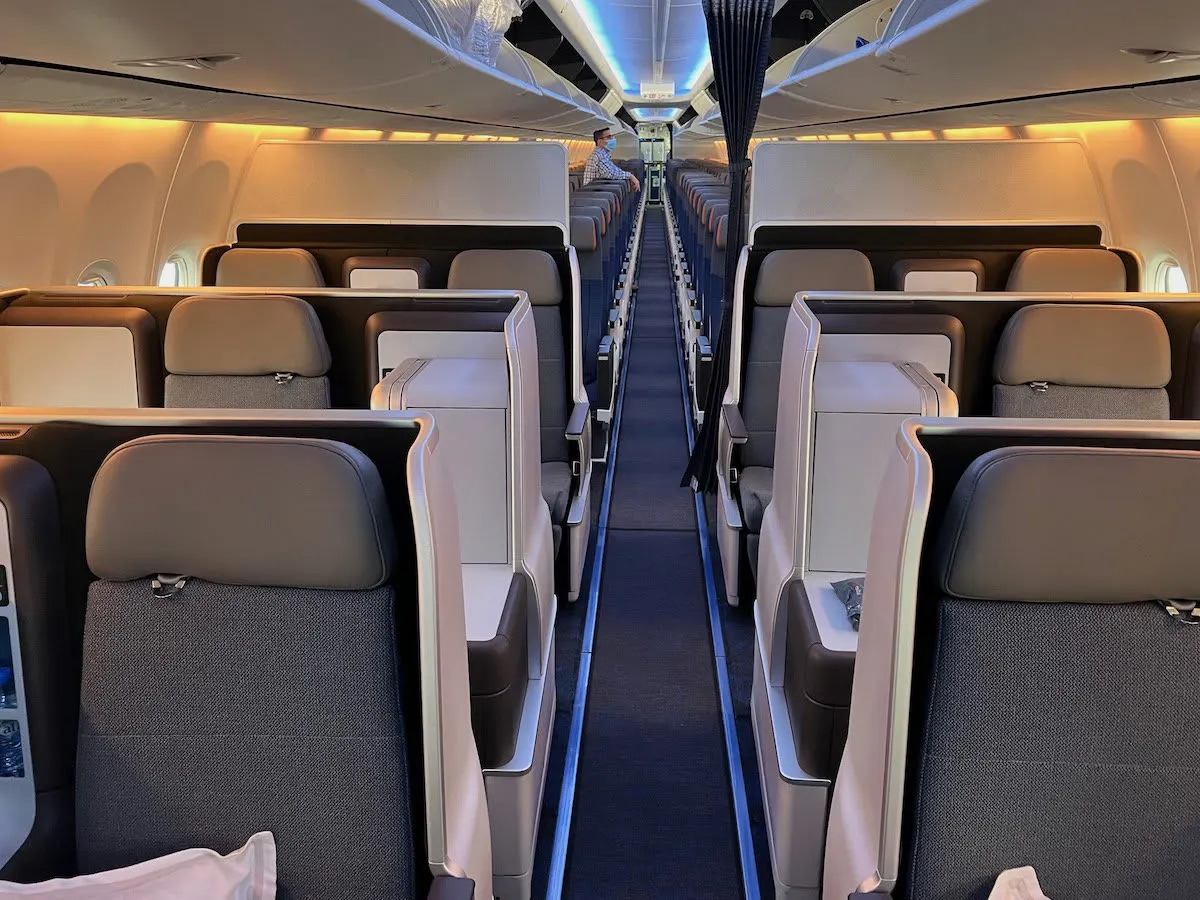
Flydubai Upgrading 21 Boeing 737 MAX 8s to Flat Bed Seats
Flydubai is retrofitting 21 Boeing 737 MAX 8 aircraft with lie-flat business class seats to standardize its premium product by late 2027.
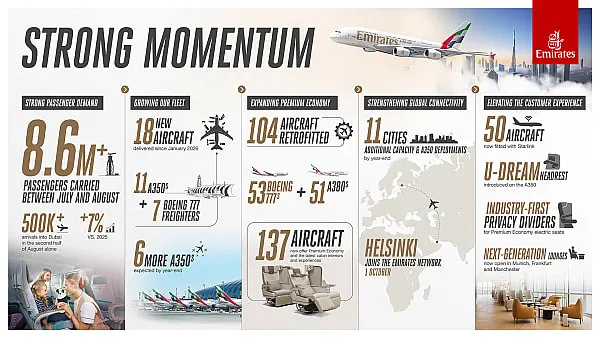
Emirates Winter Booking Momentum Grows Amid Fleet Expansion
Emirates carried 8.6 million passengers this summer and enters winter with strong demand as it accelerates fleet retrofits and network growth.
Air Arabia Consortium Gains AOC for New Dammam Budget Airline
A Saudi GACA-led consortium including Air Arabia has secured an AOC to launch a new budget airline based at Dammam's King Fahd International Airport.
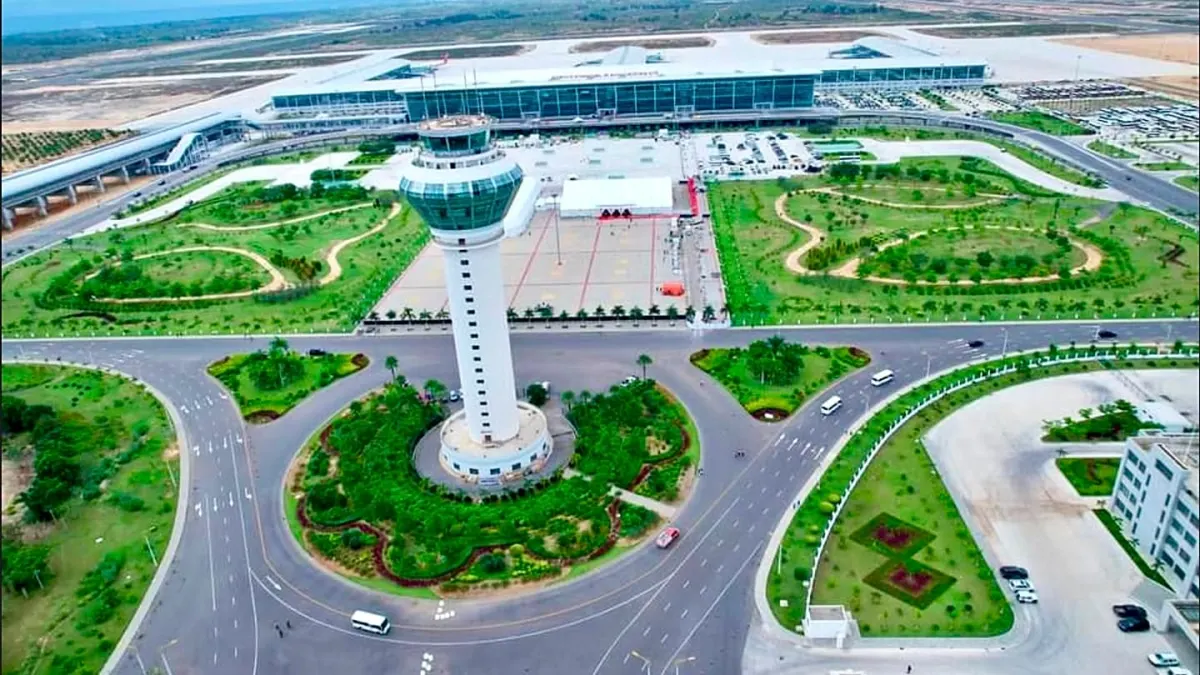
Turkish Airlines Exits Luanda as Angola Hub Struggles
Turkish Airlines dropped its Luanda route as Angola's new airport struggles to attract traffic, handling only 756,028 passengers in 2025.
Red Sea Airlines Leases Two 737 MAX 8s for 2027 Expansion
Red Sea Airlines signed a lease for two Boeing 737 MAX 8 aircraft from SMBC Aviation Capital, arriving in 2027 to support its 14-aircraft fleet goal.
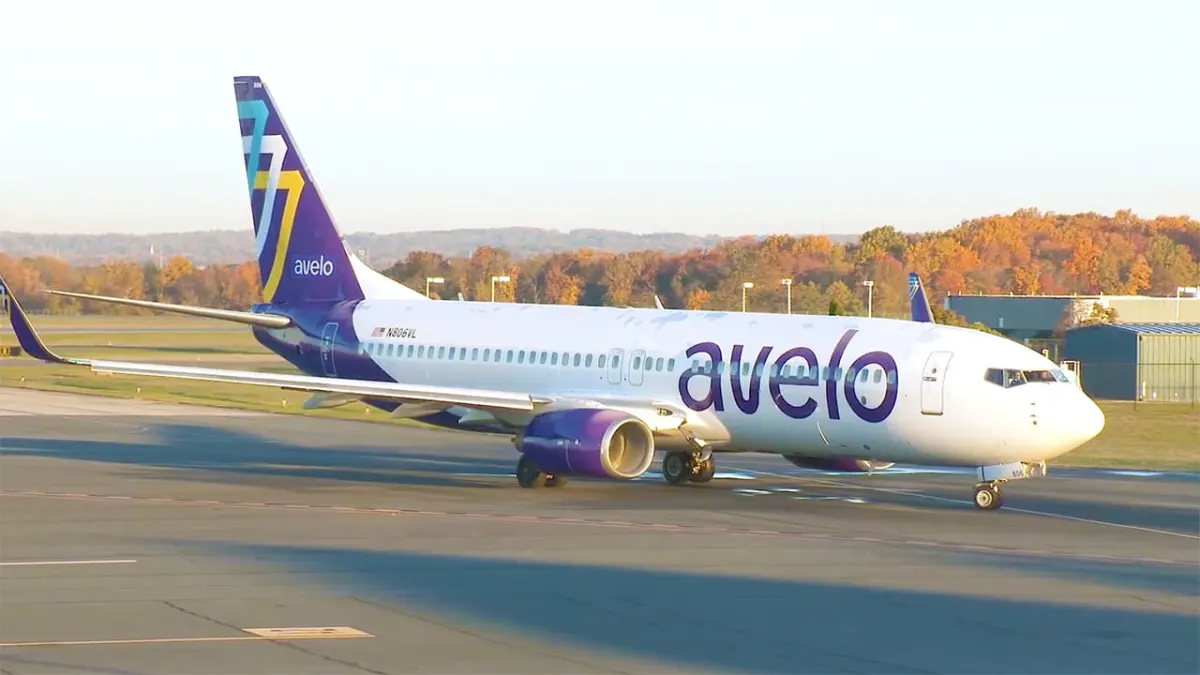
Avelo CEO Warns Airfares May Rise on Jet Fuel Price Spikes
Avelo Airlines CEO Andrew Levy warns that rising fuel costs may force fare increases as global jet fuel prices reach $171.01 per barrel.