Delta Air Lines Confirms Planned Singapore Return

Aviation News Editor & Industry AnalystAviation News Editor & Industry Analyst delivering clear coverage for a worldwide audience.

Delta Air Lines plans to resume flights to Singapore, marking its first service to the city-state since terminating operations there in 2019.
Key Takeaways
- •Delta Air Lines confirms plans to resume flights to Singapore.
- •Service represents Delta's first return to Singapore since 2019.
- •New route is expected to operate nonstop from Seattle.
- •Expansion follows Delta's record transatlantic summer 2026 schedule.
Delta Air Lines is planning to restore passenger service to Singapore, marking a significant step in the carrier's broader transpacific network recovery. The decision, confirmed by executive leadership in August 2026, represents a strategic pivot toward high-demand Southeast Asian business and leisure markets.
The planned Delta Singapore flights return represents a major shift in how the Atlanta-based carrier structures its long-haul operations. Rather than routing passengers through historical connecting hubs in East Asia, the airline intends to leverage modern widebody aircraft to establish direct, ultra-long-haul connections. This move is designed to capture high-yield corporate traffic and provide a competitive alternative to rival US carriers already operating nonstop routes to Singapore.
Direct Flights to Replace Historic Connecting Hubs
During an interview in August 2026, Joe Esposito Delta CCO (Chief Commercial Officer) confirmed the carrier's strategic focus on the region. According to Esposito, "Asia, to us, is where we have opportunity for growth in the future." He explicitly stated, "We're going to be back in Singapore," indicating that the upcoming service would likely bypass Los Angeles International Airport in favor of another major US gateway, widely anticipated by industry observers to be SEA (Seattle-Tacoma International Airport).
This transpacific push follows a period of heavy investment in European markets. For example, the Delta Air Lines route announcement detailed a massive expansion for the summer 2026 season, during which the carrier operated its largest-ever transatlantic schedule. This network expansion featured over 650 weekly flights to nearly 30 destinations across Europe, including new services to the Italian island of Sardinia, Malta, and Porto, Portugal. With the Delta summer 2026 European routes successfully established, the airline is now redirecting its capital and fleet capacity toward a broader Delta Asia-Pacific expansion.
However, the airline faces significant competitive hurdles. Aviation industry analysts note that United Airlines currently maintains a dominant, entrenched presence in the US-to-Singapore market, operating multiple daily nonstop flights. Delta's re-entry will directly challenge this monopoly, introducing pricing pressure and capacity competition. For Singapore Changi Airport (SIN), the addition of a new US carrier provides a valuable direct connection, boosting passenger throughput and reinforcing the airport's status as a premier global transit hub. Additionally, SkyMiles loyalty members will gain a highly requested redemption option for travel to Southeast Asia, a region where Delta's network has historically lagged behind its competitors.
Shifting Away from the Tokyo Narita Hub Model
Delta's planned return to Singapore represents a complete strategic reversal of its previous regional footprint. In September 2019, Delta officially withdrew from Singapore, terminating its daily service that connected through Tokyo Narita International Airport (NRT). That final operation utilized a Boeing 767-300ER on a fifth-freedom route. The withdrawal was part of a larger, multi-year dismantling of Delta's inherited Northwest Airlines connecting hub at Tokyo Narita.
Historically, US legacy carriers relied on these Japanese hubs to distribute passengers across Asia. However, modern aviation economics and aircraft technology have rendered that model obsolete. The transition to fuel-efficient, long-range widebodies allows airlines to bypass intermediate stops entirely.
Bypassing Hubs for Direct Transpacific Routing
The shift from connecting hub operations to direct, point-to-point service reflects broader structural forces within the aviation industry. In 2019, operating a Boeing 767-300ER from Tokyo Narita to Singapore required maintaining significant ground infrastructure in Japan and relying on fifth-freedom traffic rights. Today, the economics of ultra-long-haul flying favor direct city-pair routing. By utilizing advanced widebody aircraft, Delta can optimize fuel burn and reduce transit times for premium business travelers.
This strategy directly aligns with modern fleet replacement waves, where older, less efficient twin-aisle aircraft are replaced by composite-heavy airframes capable of flying over 8,000 nautical miles nonstop. While United Airlines has successfully exploited this direct routing model for years, Delta's entry indicates that market demand is robust enough to support multi-carrier competition on direct US-to-Singapore corridors, specifically out of Pacific Northwest gateways.
Anticipated Seattle to Singapore Launch Timeline
While Delta's Chief Commercial Officer has confirmed the airline's intent to return to Singapore, several key operational milestones remain unannounced. Delta has not yet disclosed the official launch date, weekly frequencies, or the specific aircraft type for the route, though the Airbus A350-900 is widely expected to be the primary candidate for a future Delta Seattle to Singapore service. Industry analysts expect a formal route announcement, including schedule publication and ticket sales, to occur by late 2026 or early 2027, with flights potentially commencing in late 2027. The airline must also secure necessary slot allocations and regulatory approvals from civil aviation authorities in both the United States and Singapore before operations can begin.
Why the Transpacific Return Matters for SkyMiles
For corporate travelers and loyalty members, Delta's return to Singapore addresses a glaring vacancy in the airline's global network. Establishing a direct route to one of the world's primary financial centers allows Delta to compete for lucrative corporate contracts that it previously conceded to rival carriers. Ultimately, this expansion signals a new phase of transpacific competition, ending United's exclusive US carrier grip on direct Singapore service.
Frequently Asked Questions
- When did Delta Air Lines last fly to Singapore?
- Delta last operated flights to Singapore in September 2019, utilizing a Boeing 767-300ER that routed through Tokyo Narita International Airport.
- Which US hub is expected to host Delta's new Singapore flights?
- Delta Chief Commercial Officer Joe Esposito indicated the service will likely bypass Los Angeles, with industry analysts widely expecting Seattle-Tacoma International Airport to serve as the US gateway.
- What aircraft is Delta expected to use for its Singapore return?
- While Delta has not officially confirmed the aircraft type, the airline is expected to utilize modern widebody aircraft, such as the Airbus A350, for the nonstop transpacific route.
Access up-to-date commercial aviation news and airline industry developments via omniflights.com. Follow aviation sustainability efforts, emissions research, and green initiatives in the Environmental section at omniflights.com/environmental.
Written by Ujjwal Sukhwani
Aviation News Editor & Industry Analyst delivering clear coverage for a worldwide audience. Covers flight operations, safety regulations, and market trends with expert analysis.
Visit ProfileYou Might Also Like
Discover more aviation news based on similar topics
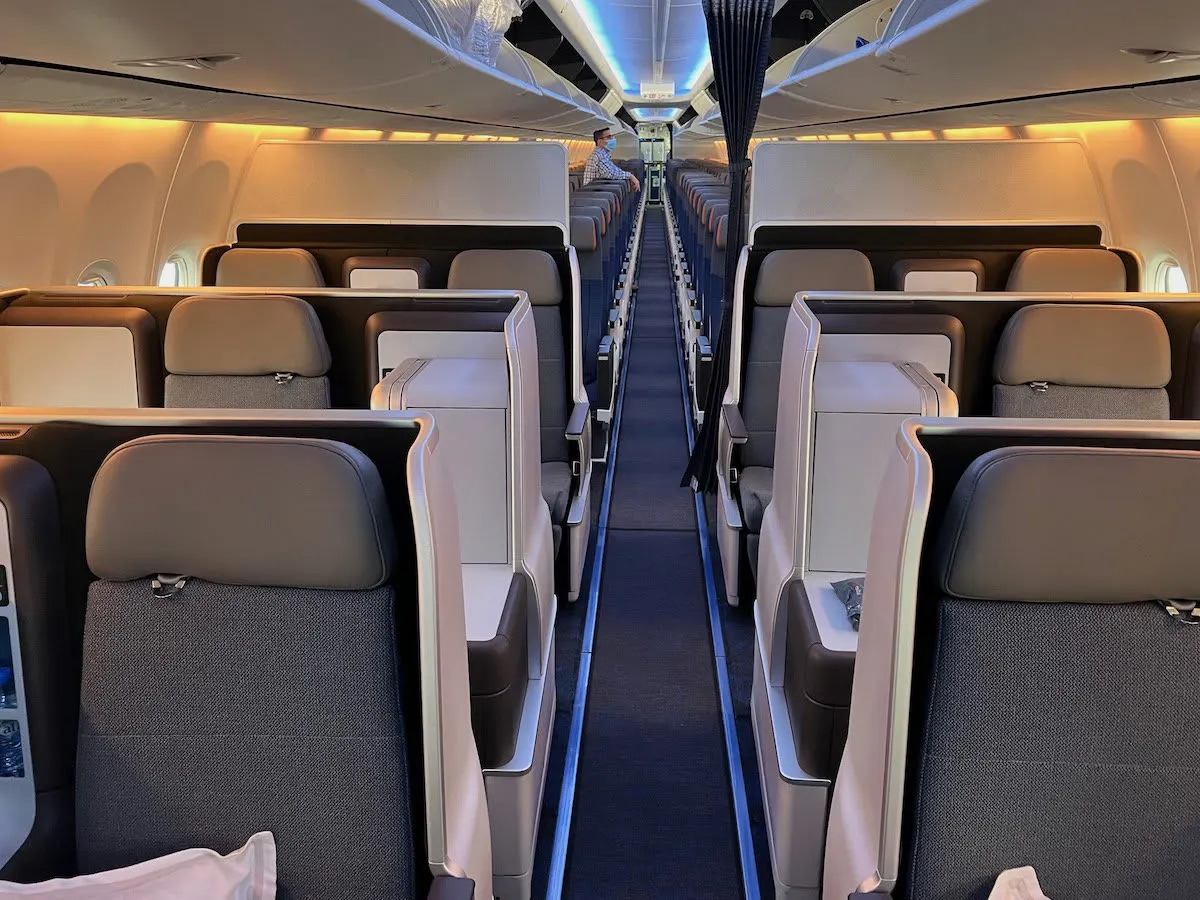
Flydubai Upgrading 21 Boeing 737 MAX 8s to Flat Bed Seats
Flydubai is retrofitting 21 Boeing 737 MAX 8 aircraft with lie-flat business class seats to standardize its premium product by late 2027.
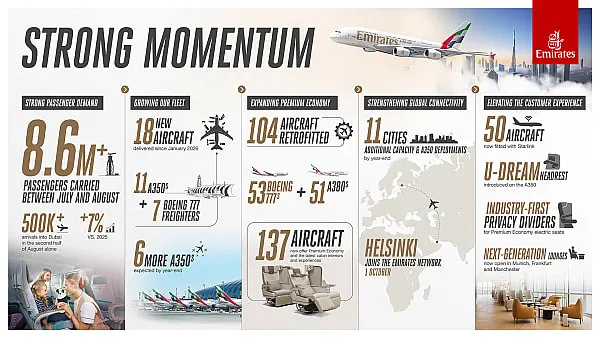
Emirates Winter Booking Momentum Grows Amid Fleet Expansion
Emirates carried 8.6 million passengers this summer and enters winter with strong demand as it accelerates fleet retrofits and network growth.

Air Arabia Consortium Gains AOC for New Dammam Budget Airline
A Saudi GACA-led consortium including Air Arabia has secured an AOC to launch a new budget airline based at Dammam's King Fahd International Airport.
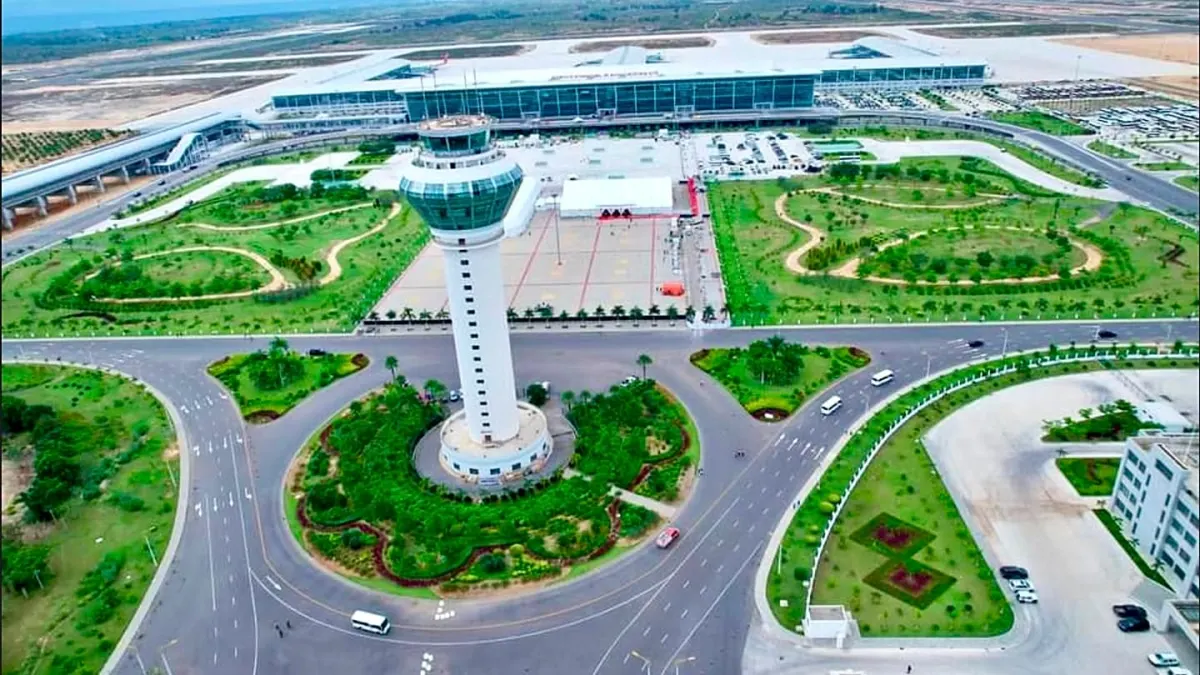
Turkish Airlines Exits Luanda as Angola Hub Struggles
Turkish Airlines dropped its Luanda route as Angola's new airport struggles to attract traffic, handling only 756,028 passengers in 2025.

Red Sea Airlines Leases Two 737 MAX 8s for 2027 Expansion
Red Sea Airlines signed a lease for two Boeing 737 MAX 8 aircraft from SMBC Aviation Capital, arriving in 2027 to support its 14-aircraft fleet goal.
Avelo CEO Warns Airfares May Rise on Jet Fuel Price Spikes
Avelo Airlines CEO Andrew Levy warns that rising fuel costs may force fare increases as global jet fuel prices reach $171.01 per barrel.