DCA Flight Shutdowns: 15-Hour Closure for Freedom 250

Co-Founder & CEOAviation News Editor delivering trusted coverage across the global aviation industry.
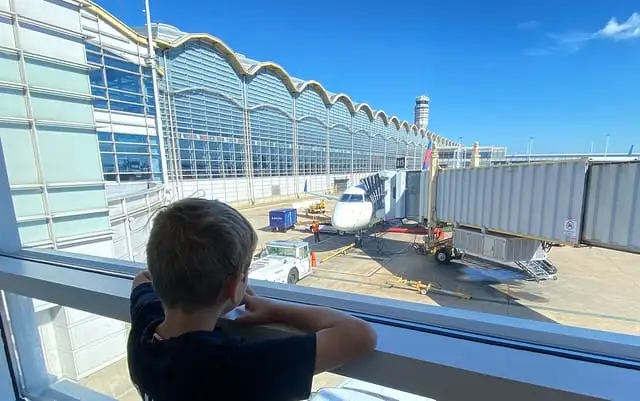
The FAA is closing DCA for 15 hours on July 3 and 4 for Freedom 250 events, causing significant disruptions to holiday travel in Washington D.C.
Key Takeaways
- •DCA will close for 15 hours on July 3 and 4, 2026.
- •The July 4 shutdown begins at 12:00 p.m. for fireworks.
- •Freedom 250 events are designated as a National Special Security Event.
- •Airlines must preemptively adjust schedules to accommodate the ground stops.
Airspace Restrictions at Reagan National Airport
The Federal Aviation Administration (FAA) has announced significant Reagan National Airport closures scheduled for July 3 and 4, 2026. These FAA flight restrictions DCA are designed to accommodate the high-profile Freedom 250 flyovers and large-scale pyrotechnic celebrations marking the nation's 250th anniversary. According to the Metropolitan Washington Airports Authority (MWAA) June 16, 2026, press release, commercial operations at the airport will be suspended for a total of approximately 15 hours across the two-day period.
Operational Impact on DCA Hubs
The Washington DC airspace shutdown will be particularly disruptive for carriers with heavy operations at the airport. American Airlines (DCA Hub Operations), in particular, faces significant operational challenges that require preemptive schedule adjustments, flight cancellations, and extensive rebooking efforts for travelers in the National Capital Region. The July 4 airspace shutdown begins at 12:00 p.m. and continues through the remainder of the day. This schedule effectively halts all commercial traffic during the peak of the holiday festivities.
Security Protocols and Regulatory Context
The events have been designated as a National Special Security Event (NSSE) by the Department of Homeland Security, triggering heightened security protocols. The FAA is utilizing Temporary Flight Restrictions (TFR) to enforce the closure of the Flight Restricted Zone (FRZ). Beyond commercial aviation, the restrictions mandate a complete suspension of operations for general aviation and corporate operators within a 15-nautical-mile radius. Operators are being directed to divert to secondary airports, such as Manassas or Leesburg, to maintain safety during the aerial displays. The Freedom 250 fireworks display is slated to launch 850,000 pyrotechnic shells from 10 distinct sites over a 40-minute duration.
Historical Context of D.C. Airspace Closures
Historically, Reagan National Airport has experienced brief operational pauses during annual July 4th fireworks, but the Freedom 250 closures represent an extreme, 15-hour expansion of these standard procedures. In September 2015, the Pope Francis visit to the United States resulted in similar NSSE TFRs that restricted general aviation and drone activity across the region. Additionally, the 2018 state funeral of George H.W. Bush required temporary ground stops at DCA and Andrews Air Force Base to accommodate military flyovers. These precedents highlight the growing trend where major national events in Washington D.C. trigger prolonged ground stops at DCA due to its proximity to the heavily restricted P-56 airspace and the National Mall.
Technical Analysis of Operational Constraints
The current operational landscape for DCA is increasingly defined by the airport's unique vulnerability to downtown event scheduling. Airlines are now forced to integrate multi-day NSSE ground holds into their summer planning cycles, a shift from the historical norm of brief, localized disruptions. This development suggests a structural change in how the airport manages capacity during peak holiday windows, as the proximity to the National Mall necessitates longer lead times for airspace deconfliction. While MWAA has advised passengers to monitor their flight status closely, the complexity of these federal mandates suggests that schedule volatility will remain a factor for the duration of the 2026 summer season.
What Comes Next: The Independence Day Timeline
Operational changes are expected to follow a rigid, confirmed schedule as the events approach:
- July 3, 2026: The Metropolitan Washington Airports Authority will implement the initial halt to DCA operations to facilitate Independence Day rehearsals.
- July 4, 2026: The Federal Aviation Administration will enforce a full airspace shutdown starting at 12:00 p.m. to secure the environment for the Salute to America fireworks display.
Why This Matters for Holiday Travelers
For passengers and aviation stakeholders, these closures represent a significant disruption to regional travel capacity during a high-demand holiday period. The move signals a broader shift in how federal authorities balance national security and commemorative events against the operational requirements of a major commercial hub. While local tourism businesses have noted concerns regarding the economic impact of the river and airspace closures, the priority remains the safety and security of the National Capital Region during the NSSE designation.
Frequently Asked Questions
- Why is Reagan National Airport closing for 15 hours in July 2026?
- The airport is closing to accommodate Freedom 250 celebrations, including military flyovers and a massive fireworks display. These events are designated as a National Special Security Event, requiring the FAA to implement strict Temporary Flight Restrictions.
- How will the July 4th Freedom 250 airspace shutdown affect flights at DCA?
- Commercial flight operations at Reagan National Airport will be completely halted starting at 12:00 p.m. on July 4, 2026, and will remain closed for the rest of the day. Travelers are advised to expect significant delays, cancellations, and mandatory rebooking due to these security-related ground stops.
For global airline trends and commercial aviation news, turn to omniflights.com. From aircraft production to supply chains, commercial aviation manufacturing news is covered at omniflights.com/manufacturing.
Written by Hardik Vishwakarma
Co-Founder & Aviation News Editor leading initiatives that improve trust and visibility across the global aviation industry. Covers airlines, airports, safety, and emerging technology.
Visit ProfileYou Might Also Like
Discover more aviation news based on similar topics

FAA Faces $3.5 Billion Shortfall in ATC Modernization
FAA Administrator Bryan Bedford reported a $3.5 billion shortfall for the Brand New Air Traffic Control System, totaling $16 billion for Phase One.
FAA Pauses Flights into LAX Due to Staffing Shortages
The FAA issued a temporary ground stop for flights bound for LAX on Monday morning due to staffing shortages at the Southern California TRACON.
FAA Proposes Ending Overland Supersonic Flight Ban
The FAA has proposed a new performance-based noise standard to replace the 1973 ban on overland supersonic flight, enabling future commercial travel.

DOT Rule Exempts Airlines From Cyberattack Delay Costs
Starting October 19, 2026, the DOT will allow airlines to withhold meal and hotel vouchers for delays caused by cyberattacks and nine other events.

Wizz Air, Ryanair Demand NATS Reform After ATC Failure
Wizz Air and Ryanair are calling for urgent NATS reform after a September 8 system failure caused over 1,000 flight cancellations across the UK.
US Treasury Iran Sanctions Target 27 Airlines, Mahan Air
The U.S. Treasury sanctioned 36 entities, including 27 Iranian airlines, to disrupt illicit procurement networks used by the Iranian government.