FAA Approves New SFO Staggered Parallel Approaches

Co-Founder & CEOAviation News Editor delivering trusted coverage across the global aviation industry.
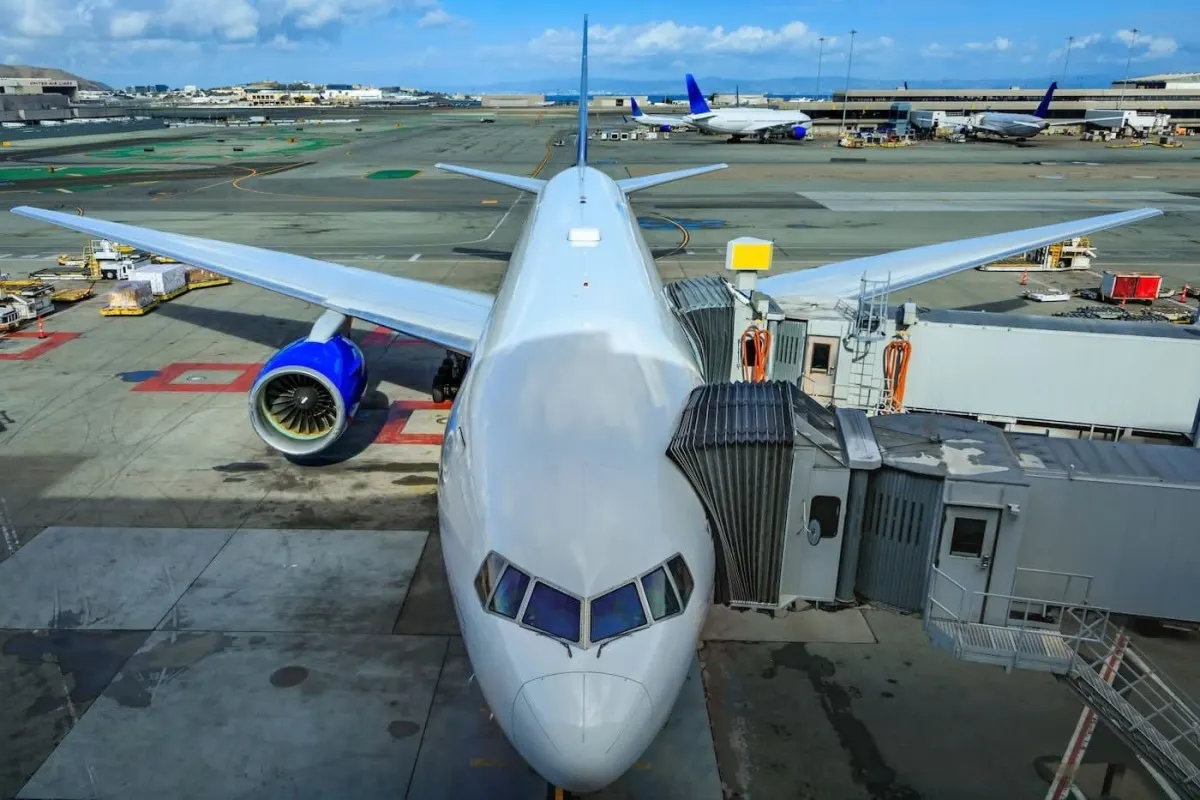
The FAA approved staggered parallel approaches at SFO, boosting the airport's clear-weather arrival rate to 40 flights per hour to mitigate summer delays.
Key Takeaways
- •FAA approves staggered parallel approaches at SFO to reduce flight delays.
- •New landing procedure increases SFO arrival rates to 40 flights per hour.
- •SFO's closely spaced runways 28L and 28R are separated by only 750 feet.
- •Arrival rate is expected to reach 42 flights per hour by late August 2026.
The Federal Aviation Administration (FAA) has approved a new FAA staggered parallel arrival procedure at San Francisco International Airport (SFO) to mitigate severe SFO flight delays and restore lost runway capacity. Effective August 12, 2026, the new operational rules will initially increase the airport's clear-weather arrival rate to 40 flights per hour, up from the previous restricted limit of 36 flights per hour. This regulatory adjustment addresses a critical capacity deficit at one of the United States' most congestion-prone West Coast hubs.
Easing the West Coast Bottleneck
The implementation of these staggered parallel approaches marks a critical compromise between safety and operational throughput. By establishing a structured, diagonal separation between arriving aircraft, the FAA aims to alleviate the bottleneck that has severely impacted Northern California's airspace. For passengers and airlines alike, this procedural shift is designed to reduce taxi-out times, minimize airborne holding patterns, and stabilize scheduling reliability during peak travel periods.
Core Facts and SFO Runway Constraints
The operational challenges at SFO stem from its unique layout of Closely Spaced Parallel Runways (CSPR). The airport's primary landing strips, runways 28L and 28R, are separated by a distance of only 750 feet. Under standard visual conditions, SFO historically utilized side-by-side visual parallel landings to maximize throughput. However, following a safety review, the FAA enacted a ban on these simultaneous side-by-side visual approaches on March 30, 2026. This regulatory action forced air traffic controllers to transition to single-runway or highly restricted sequential landing patterns.
According to statements from a San Francisco International Airport spokesperson, the impact of the March 2026 ban on SFO's flight schedule was immediate and severe. The proportion of flights delayed by 15 minutes or more spiked from 20% to 41% during the spring and summer of 2026. To address this crisis, the FAA approved the new staggered approach under FAA Order JO 7110.308E (Simultaneous Dependent Approaches to Closely Spaced Parallel Runways). This regulation provides the framework for a 1.5-nautical-mile staggered dependent approach, allowing safe, coordinated landings on parallel runways separated by less than 2,500 feet.
The transition to the new procedure carries significant operational adjustments for multiple aviation stakeholders. United Airlines and Alaska Airlines, which operate SFO's largest hub networks, face high-severity impacts. The capacity restrictions during the summer of 2026 forced these carriers to absorb substantial delay costs and manage widespread network disruptions. The new staggered procedure is expected to improve their hub integrity and on-time performance. Conversely, air traffic controllers at NorCal TRACON (Terminal Radar Approach Control) face medium-severity workload increases. Rather than relying on pilots to maintain visual separation, controllers must now actively sequence and monitor the precise 1.5-nautical-mile diagonal separation.
Restoring Capacity Under Safety Constraints
To put SFO's capacity constraints in perspective, the historical visual parallel landing procedure allowed the airport to handle up to 54 arrivals per hour in clear weather. The March 2026 ban slashed this figure by 33.3% to just 36 arrivals per hour, creating a massive deficit during peak travel banks. While the new staggered approach represents a significant improvement over the restricted 36-arrival baseline, it remains an operational compromise.
"While this will not fully restore the arrival rate we had when true side-by-side landings were permitted, this is nonetheless a step in the right direction," stated Doug Yakel, SFO Spokesperson. The inability to fully return to the 54-arrival threshold highlights the ongoing challenge of managing high-density traffic at historic airports with limited physical footprint for runway expansion.
The Operational Math of Closely Spaced Runways
The situation at SFO reflects a broader industry trend toward mitigating capacity constraints at airports constrained by closely spaced parallel runways. As air traffic volume recovers and grows, regulators are increasingly shifting from pilot-maintained visual separation to highly structured, instrument-supported dependent approaches. This shift represents a fundamental safety-first philosophy, prioritizing standardized safety buffers over maximum raw throughput.
While the 1.5-nautical-mile staggered buffer reduces the maximum clear-weather capacity from 54 to 42 arrivals per hour, it establishes a predictable and repeatable traffic flow. This predictability is highly valued by airline network planners, who prefer a lower, stable arrival rate to a volatile system prone to sudden, severe delays when weather or visibility fluctuates. SFO's experience demonstrates that modern air traffic management must increasingly rely on precise diagonal sequencing technologies to balance safety mandates with commercial efficiency.
Implementation Milestones and Infrastructure Updates
The rollout of SFO's revised landing procedures is structured across several key milestones to ensure operational safety and controller familiarity:
- August 12, 2026: The FAA officially implemented the staggered parallel approach procedure, raising SFO's clear-weather arrival rate to 40 flights per hour.
- Late August 2026: The FAA is expected to increase the arrival rate further to 42 flights per hour as controllers and flight crews gain experience with the diagonal separation sequencing.
- Early October 2026: SFO is expected to complete its Runway 1R/19L repaving and rehabilitation project, which will restore full runway availability and complement the new arrival procedures.
Why Runway Throughput Matters for West Coast Hubs
This development is critical because SFO serves as a primary gateway to the Asia-Pacific region and a major domestic hub. Restoring arrival capacity directly translates to fewer missed connections, reduced airline operating costs, and a more resilient West Coast aviation network. For the broader industry, it provides a valuable blueprint for how other airports with closely spaced runways can navigate safety-driven capacity reductions.
Frequently Asked Questions
- Why did the FAA ban side-by-side visual landings at SFO?
- The FAA banned the traditional side-by-side visual parallel landings on March 30, 2026, due to safety concerns regarding SFO's closely spaced parallel runways, 28L and 28R, which are separated by only 750 feet.
- How does the new staggered parallel landing procedure work at SFO?
- The new procedure requires arriving aircraft to maintain a diagonal, 1.5-nautical-mile staggered separation. This allows safe, dependent parallel landings on runways spaced less than 2,500 feet apart.
- What is SFO's expected arrival capacity under the new FAA rules?
- The new staggered parallel approach procedure initially increases SFO's clear-weather arrival rate to 40 flights per hour, with a target of 42 flights per hour by late August 2026.
omniflights.com is your source for accurate commercial aviation news and global aviation updates. For reporting on UAP sightings, investigations, and aviation-related encounters, see the UAPs section at omniflights.com/uaps.
Written by Hardik Vishwakarma
Co-Founder & Aviation News Editor leading initiatives that improve trust and visibility across the global aviation industry. Covers airlines, airports, safety, and emerging technology.
Visit ProfileYou Might Also Like
Discover more aviation news based on similar topics

FAA Faces $3.5 Billion Shortfall in ATC Modernization
FAA Administrator Bryan Bedford reported a $3.5 billion shortfall for the Brand New Air Traffic Control System, totaling $16 billion for Phase One.
FAA Pauses Flights into LAX Due to Staffing Shortages
The FAA issued a temporary ground stop for flights bound for LAX on Monday morning due to staffing shortages at the Southern California TRACON.

FAA Proposes Ending Overland Supersonic Flight Ban
The FAA has proposed a new performance-based noise standard to replace the 1973 ban on overland supersonic flight, enabling future commercial travel.

DOT Rule Exempts Airlines From Cyberattack Delay Costs
Starting October 19, 2026, the DOT will allow airlines to withhold meal and hotel vouchers for delays caused by cyberattacks and nine other events.

Wizz Air, Ryanair Demand NATS Reform After ATC Failure
Wizz Air and Ryanair are calling for urgent NATS reform after a September 8 system failure caused over 1,000 flight cancellations across the UK.

US Treasury Iran Sanctions Target 27 Airlines, Mahan Air
The U.S. Treasury sanctioned 36 entities, including 27 Iranian airlines, to disrupt illicit procurement networks used by the Iranian government.